





The 8 Best LED Face Masks in Canada (2026): Omnilux vs FOREO, Ranked Honestly
Wavelength, irradiance and consistency decide whether an LED mask works. Most rankings ignore all three.
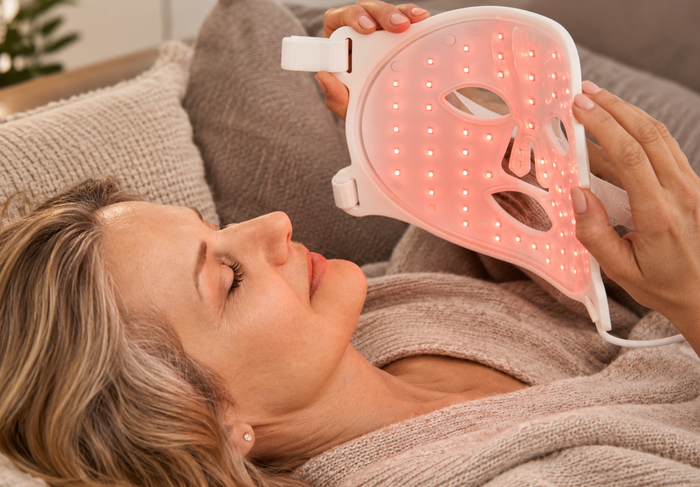
Here is what almost every LED mask ranking gets wrong: it ranks the mask, not the dose. Two devices can both say red light and deliver wildly different amounts of it, and the cheaper one usually delivers a fraction of the energy the clinical studies were built on. The result is a drawer full of glowing plastic that felt relaxing and changed nothing.
LED therapy does work. Dermatology clinics have run red and near-infrared light on faces for two decades, and the mechanism is not mystical: specific wavelengths are absorbed by the mitochondria in skin cells and support the cell's own energy production, which shows up over weeks as better tone, smoother texture and softer lines. The catch is that the wavelength has to be right, the irradiance has to be high enough, and you have to wear the thing three to five times a week for three months.
So this is the honest version. What the numbers on the box actually mean, why most sub-$200 masks fail on the one that matters, the eight devices sold in Canada that we would put on our own faces, and the routine that turns a purchase into a result. WeDoSkin is an authorized Canadian retailer for Omnilux and FOREO; this is written from handling and fitting the real devices, not from a spec sheet.
Buy the Omnilux Contour Face ($460 CAD). It delivers red 633 nm and near-infrared 830 nm at a clinic-level dose, it is FDA-cleared, and it is the mask our clinical team actually uses. Blemish-prone under thirty? Omnilux Clear instead. Want every wavelength and an app? FOREO FAQ 202. Whatever you buy, ten minutes, three to five times a week, for twelve weeks, or do not buy one at all.
What the Numbers on the Box Actually Mean
1. Wavelength: the colour is not the point, the nanometre is
Red is not a wavelength, it is a range. The clinical evidence for skin sits in a narrow band: 633 nm red for the surface and mid layers, 830 nm near-infrared for deeper support, and 415 nm blue for blemish-prone skin. A mask that says red light but runs at 660 nm is not wrong, but it is not the wavelength the studies used either. The devices in this guide publish their nanometres. If a manufacturer will not tell you, that is your answer.
2. Irradiance: the number most brands hide
Irradiance is how much light energy reaches your skin per square centimetre, and it is the difference between a device and a decoration. Clinic-grade panels deliver enough energy in ten minutes to matter. Many consumer masks deliver a fifth of that, which means you would need an hour a day to match a ten-minute session, and nobody does an hour a day. Omnilux publishes its optical output because it is built to mirror its in-clinic systems; FOREO's FAQ line does the same. Bargain masks almost never do, and it is not an oversight.
3. Consistency: the variable that is on you
Every LED study that produced a visible result used a schedule, usually three to five sessions a week for eight to twelve weeks. The device is only half of the equation. The best mask in this guide, used twice in a month, loses to the fourth-best mask used every other day. Before you spend $460, decide honestly whether you will wear it while the kettle boils. If the answer is yes, keep reading. If not, put the money into a retinol and a mineral sunscreen and you will still come out ahead.
Why the Cheap Ones Feel Nice and Do Nothing
There is a $79 mask on every marketplace with a thousand five-star reviews, and most of those reviews were written in week one. Week one is when the warmth feels lovely and the ritual feels virtuous. Week ten is when you look at a photo and realise nothing moved. The gap is dose. An underpowered mask at the right wavelength is like a gym membership you never use: technically capable, practically inert.
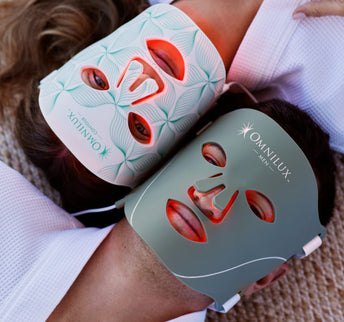
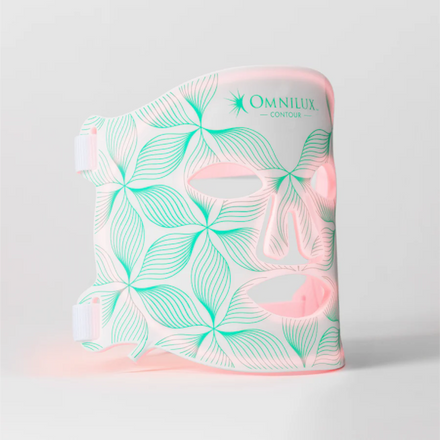
The other quiet failure is coverage. Rigid masks that sit a centimetre off the cheeks lose energy to the air gap; the light spreads and weakens before it lands. Omnilux solves this with a flexible, contoured silicone shell that sits flush; FOREO with soft medical-grade silicone that drapes. Both are why fit is a ranking criterion here and not an afterthought.
Omnilux vs FOREO: Two Philosophies
Omnilux: the clinic dose, brought home
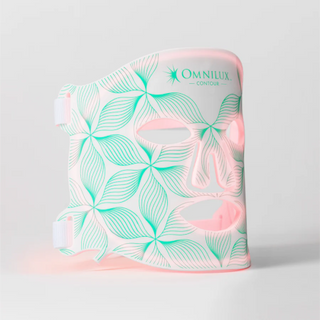
Omnilux built professional LED systems for dermatology clinics before it ever made a home mask, and the consumer devices are explicitly designed to mirror that output. Two wavelengths, done properly, no app, no modes to fiddle with. Press the button, ten minutes, done. It is the least exciting device to unbox and the most likely to still be in use in a year.
FOREO: full spectrum and a lot of engineering
FOREO's FAQ line goes the other way: eight wavelengths from blue through near-infrared, T-Sonic pulsation, an app that tracks sessions and suggests programs. It is a more flexible tool and a more expensive one. If you like data and want the option to run different protocols for different concerns, it earns the premium. If you want the single proven combination with the fewest decisions, it does not.
The #1 Pick: Omnilux Contour Face
The Mask Our Clinical Team Actually Wears
Why it wins: It is the only home mask in this price range that publishes a clinic-level optical dose at the two wavelengths the evidence is built on, and it is FDA-cleared for what it claims. The flexible shell sits flush on the face so the energy lands where it should, the schedule is simple enough that people keep doing it, and the results at twelve weeks are the kind that show in photographs rather than in wishful thinking.
Best for: Fine lines, uneven tone, dullness and anyone over thirty who wants the long game. If your primary concern is breakouts, skip to Omnilux Clear. If your neck bothers you more than your face, start with the Neck & Décolleté and add the face later.
The Power 8: Every LED Device Worth Buying in Canada
Ranked by how often we recommend each one, with live Canadian pricing. Nobody needs all eight; most people need one, and the right one is decided by where your concern lives.


Browse the full LED light therapy collection for bundles that pair the face mask with the neck piece or the glove at a lower combined price.
Omnilux Contour vs Omnilux Clear vs FOREO FAQ 202
The three masks people actually cross-shop, side by side. There is no universal winner, there is a right answer for your face.
| Omnilux Contour Face | Omnilux Clear | FOREO FAQ 202 | |
|---|---|---|---|
| Price | $460.00 | $460.00 | $1,199.00 |
| Wavelengths | 633 nm red + 830 nm NIR | 415 nm blue + 633 nm red | 8 wavelengths, blue to NIR |
| Best for | Lines, tone, texture, over 30 | Blemish-prone, congested skin | Full-spectrum, data-driven users |
| Session | 10 min, 3 to 5x weekly | 10 min, 3 to 5x weekly | 2 to 8 min, app-guided |
| Fit | Flexible contoured silicone | Flexible contoured silicone | Soft draping silicone |
| App required | No | No | Yes, for full features |
| Regulatory | FDA-cleared | FDA-cleared | Consumer device |
| Time to visible change | 8 to 12 weeks | 6 to 10 weeks | 8 to 12 weeks |
The verdict: Omnilux Contour Face for most adults, Omnilux Clear if breakouts are the main complaint, FOREO FAQ 202 if you want every wavelength in one device and will use the app. Buying two masks is the mistake; buy one, wear it for twelve weeks, then decide whether a neck or hand piece is next.
Four Routines, Depending on What You Are Fixing
LED sits on clean, product-free skin and goes before your serums, never after. Find the routine that matches your concern and run it exactly.
Lines and tone, over 30
- 🌙 PM, 3 to 5x weekly: cleanse > Omnilux Contour Face 10 min > Peptide Concentrate > moisturizer
- 🌙 Other nights: cleanse > retinol > moisturizer. Keep LED and retinol on separate nights until week four, then combine if skin is settled.
- ☀️ Every AM: antioxidant serum > mineral SPF. LED without sunscreen is rowing with one oar.
Blemish-prone, under 30
- 🌙 PM, 3 to 5x weekly: Salicylic Acid Cleanser > Omnilux Clear 10 min > Hyaluronic Acid Serum > light moisturizer
- 🎯 Spot flare-ups: ESPADA 2 Plus 30 seconds per spot, twice daily
- ⛔ No scrubs, no drying spot gels layered on top. The mask does the work; let it.
Neck, chest and hands
- 🌙 PM, alternating: Neck & Décolleté one night, Contour Glove the next, 10 min each
- 🌙 After LED: a peptide or retinol neck cream from our neck cream ranking
- ☀️ AM: SPF to the neck, chest and backs of hands every single day. This is where most of the damage came from.
Five Mistakes That Turn a $460 Mask Into a Drawer Ornament
1. Wearing it over serum
Product on the skin scatters and absorbs light before it reaches the cells you are trying to reach, and some actives are not designed to be warmed under a mask. Clean, dry skin first; serums after. This single change is the difference between results and a pleasant glow.
2. Judging it at week three
LED supports slow, structural change. Tone and texture move first, usually around week six; lines and firmness take the full twelve. Quitting at week three is paying for a marathon and leaving at kilometre five.
3. Buying the $79 one first
It is the most expensive way to save money in skincare, because you will buy the real one anyway, after three months of proving to yourself that LED does not work. The wavelength and the dose are the product. The plastic is not.
4. Running LED and a fresh retinol on the same night from day one
Both are excellent. Both, started together, produce a reactive week that gets blamed on whichever one you like least. Split them for the first month; our LED and retinol protocol has the exact schedule.
5. Skipping the neck
The face gets the mask, the SPF, the retinol and the attention. The neck gets nothing and then gets blamed for looking ten years older. If you can only afford one device this year and your neck bothers you, the neck piece is the smarter first purchase.
Who Should Not Buy an LED Mask
Anyone taking a photosensitizing medication, anyone with a history of light-triggered conditions, and anyone who has just had a procedure and has not been cleared by their clinician should check with a professional before starting. LED is gentle, but gentle is not the same as universal. And if you already know you will not do ten minutes three times a week, we would rather you spent the money on a serum you will actually use; our clinical team will happily say so.
Frequently Asked Questions
Do LED face masks actually work?
Yes, when three things line up: the right wavelengths (633 nm red and 830 nm near-infrared for aging, 415 nm blue for blemish-prone skin), a clinic-level dose, and consistent use for eight to twelve weeks. Devices that miss any of the three tend to feel pleasant and change little.
Which LED mask is best in Canada?
For most adults the Omnilux Contour Face at $460 CAD. It publishes a clinic-level optical dose, is FDA-cleared, and needs no app. Omnilux Clear is the pick for blemish-prone skin and FOREO FAQ 202 for anyone who wants all eight wavelengths in one device.
Omnilux Contour or Omnilux Clear: which should I buy?
Contour Face if your concerns are lines, tone, texture or firmness. Clear if breakouts and congestion are the main complaint. They use different wavelengths for different jobs, so pick by concern rather than by age alone.
How often should I use an LED mask?
Ten minutes, three to five times a week, on clean bare skin, for at least twelve weeks. Daily is fine for Omnilux devices. Less than three sessions a week is where results quietly disappear.
Can I use an LED mask with retinol?
Yes, but not on the same night in the first month. Run LED on some evenings and retinol on others, then combine once the skin is settled. LED always goes on clean skin before any product.
Is Omnilux worth the price over cheaper masks?
If you will use it, yes. The difference is dose and fit: Omnilux mirrors its in-clinic output and sits flush on the face. Most bargain masks deliver a fraction of the energy, which is why they show results in reviews written in week one and not in photos taken in week twelve.
Where can I buy Omnilux and FOREO in Canada?
WeDoSkin is an authorized Canadian retailer for Omnilux and FOREO. Omnilux Contour Face, Clear, Men and Neck & Décolleté are $460.00 each, the Contour Glove is $390.00, FOREO FAQ 202 is $1,199.00 and FAQ 211 is $599.00, all shipped free across Canada.
Keep Reading
Our #1 Recommendation
Omnilux Contour Face LED Mask
The Intel: Red 633 nm and near-infrared 830 nm from 132 LEDs in a flexible shell that sits flush on the face. Ten minutes, three to five times a week. FDA-cleared, authorized and shipped free across Canada.
WHY SOURCE FROM WEDOSKIN?
Authorized RetailerFully authorized clinical partner for all 40+ brands. Fresh, active product guaranteed. | 45-Day GuaranteeProtected orders are covered by a 45-day window for total peace of mind on your investment. | Free ShippingBuild your clinical routine without shipping fees. Free delivery on Canadian orders over $65. |
Clinical DeliveryClimate-conscious logistics help preserve the integrity of active, temperature-sensitive formulas. | 5-Star ReputationThousands of patients trust our clinical team for their medical-grade shopping and guidance. | Expert GuidanceNot sure which device fits your concern? Get a routine mapped by our expert aesthetic team, free. |
Questions About Products?
Connect directly with a WeDoSkin clinical expert for a complimentary consultation. Tell us your main concern and what you use now, and we will tell you which device fits, or whether a serum would serve you better.
Contact Our Skincare ExpertsReviewed under medical oversight
This guide is reviewed by Dr. J. Porter, Medical Reviewer at the WeDoSkin Clinic in Calgary. As a Preferred Authorized Retailer, our clinical team works with these brands every day. Educational information, not a substitute for personalized medical advice. Our medical-review standards →
