


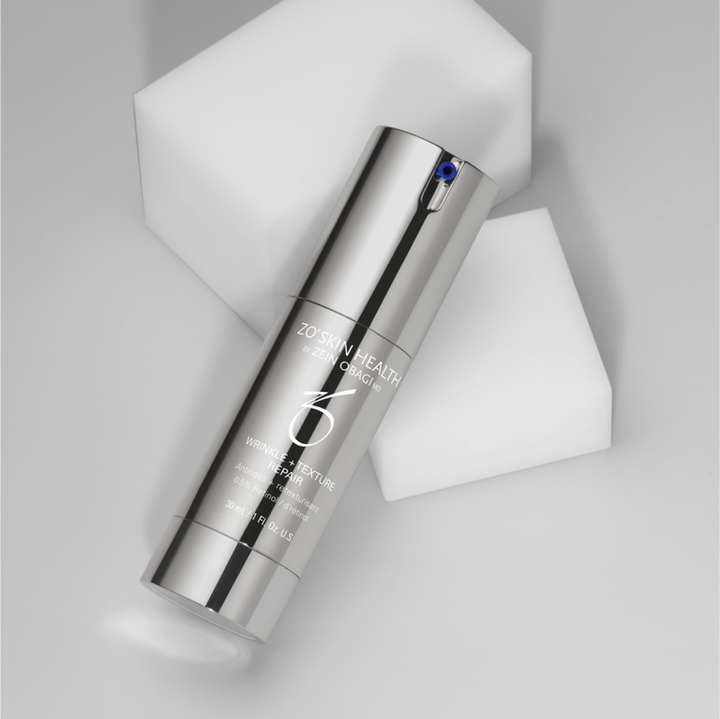
Wrinkle & Texture Repair 0.5%
Micro-Emulsion Retinol
Deep Texture & Scars
View ProductCategory
Skincare
Body & Beyond
Face
Exfoliation & Texture
Hydration & Barrier
Anti-Aging
Antioxidant Protection
Advanced Actives
Viral Must-Haves
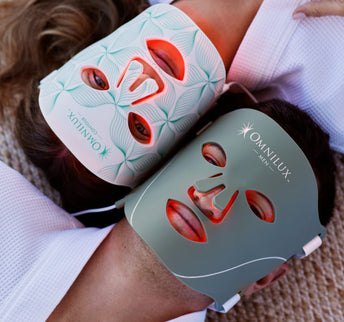
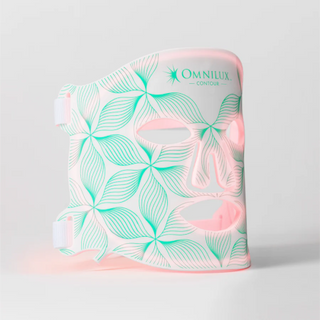
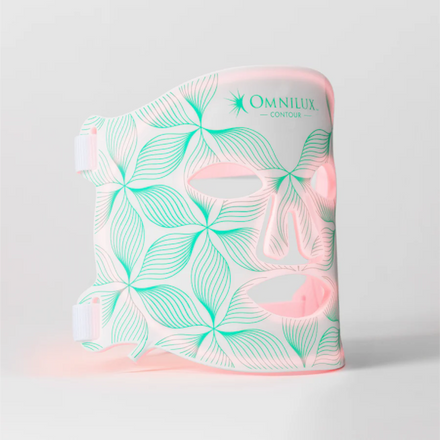
Clinically tested LED face mask for firmer, smoother, visibly younger-looking skin.
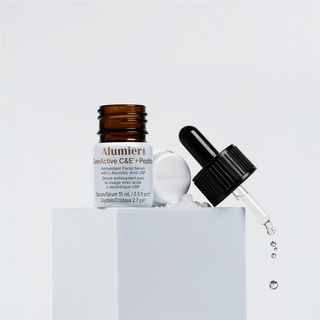
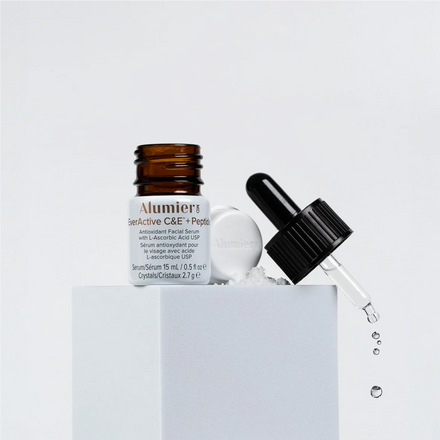
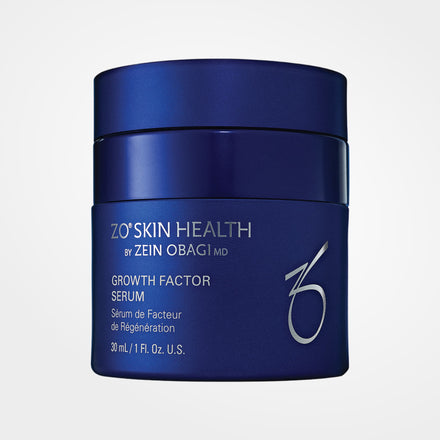
Shop NowVitamin C, E and peptides for brighter & firmer looking skin.
Shop NowToo Good To Miss
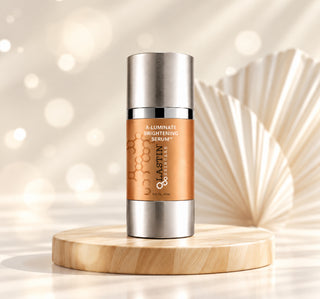
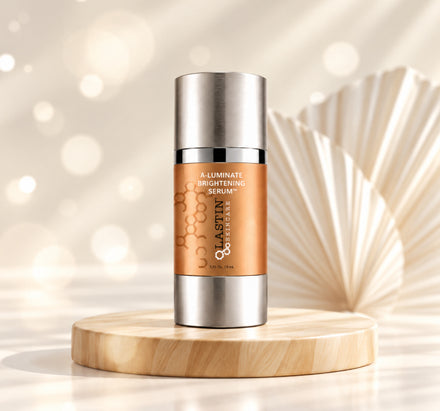
Get a free 15 ml A-Luminate Brightening Serum when you spend $250 or more on Alastin Skincare products.
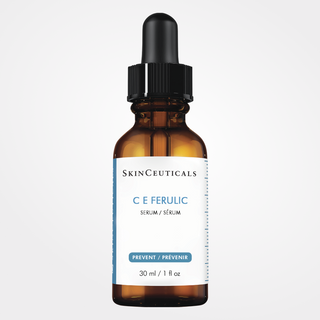
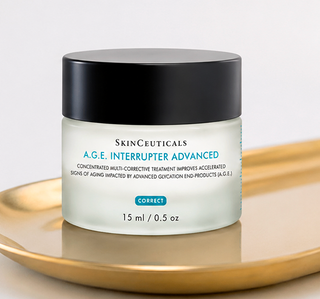
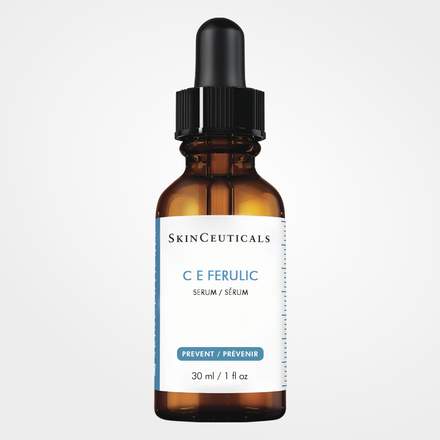
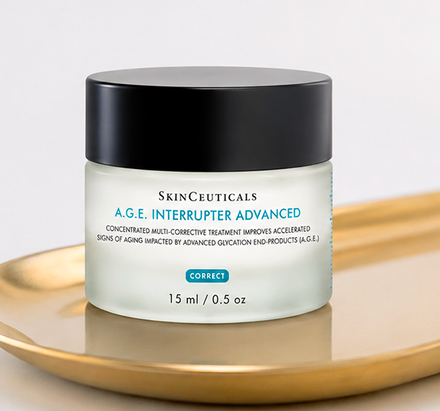
Shop NowGet a free 15ml SkinCeuticals A.G.E Interrupter Travel Size with C E Ferulic purchase.
Shop NowNot sure where to start?
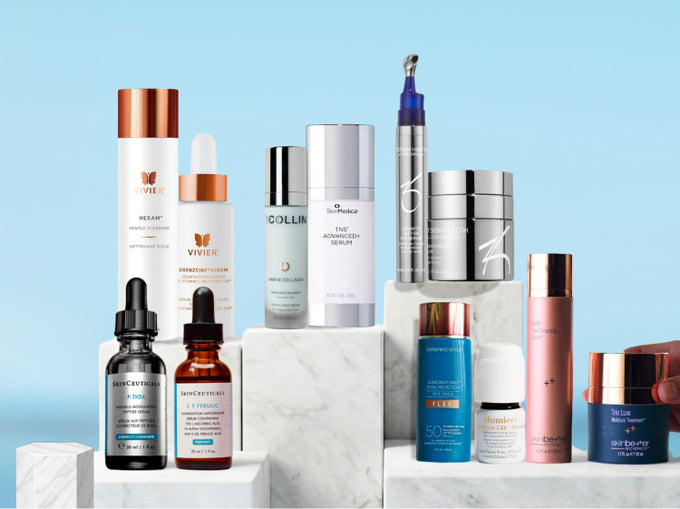
Select your favourite brand
Try: “dark spots and fine lines” · “uneven texture” · “crepey neck” · “oily breakouts”
Tell us a bit more — try “dark spots”, “breakouts”, “redness”, “dryness” or “fine lines”
10% routine discount applied automatically at checkout

Category
Skincare
Body & Beyond
Hair
Exfoliation & Texture
Brightening
Hydration & Barrier
Anti-Aging
Antioxidant Protection
Advanced Actives
UV Defense
Not sure where to start?
Try: “dark spots and fine lines” · “uneven texture” · “crepey neck” · “oily breakouts”
Tell us a bit more — try “dark spots”, “breakouts”, “redness”, “dryness” or “fine lines”
10% routine discount applied automatically at checkout
ZO's retinol line decoded — strength, brightening, and texture repair compared so you pick the right one.
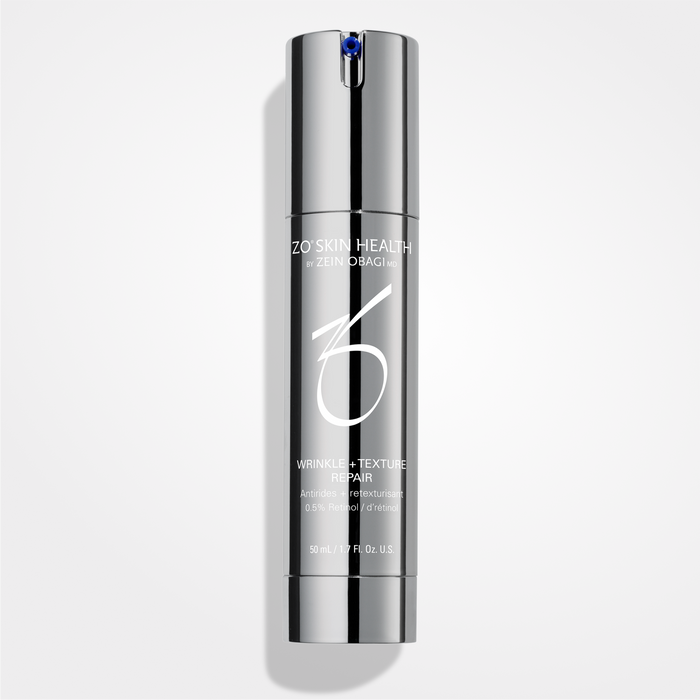
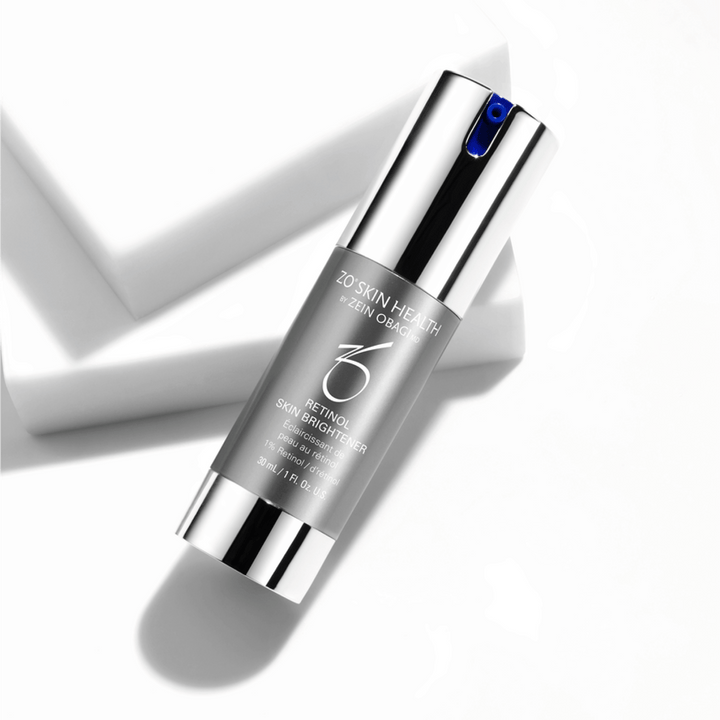
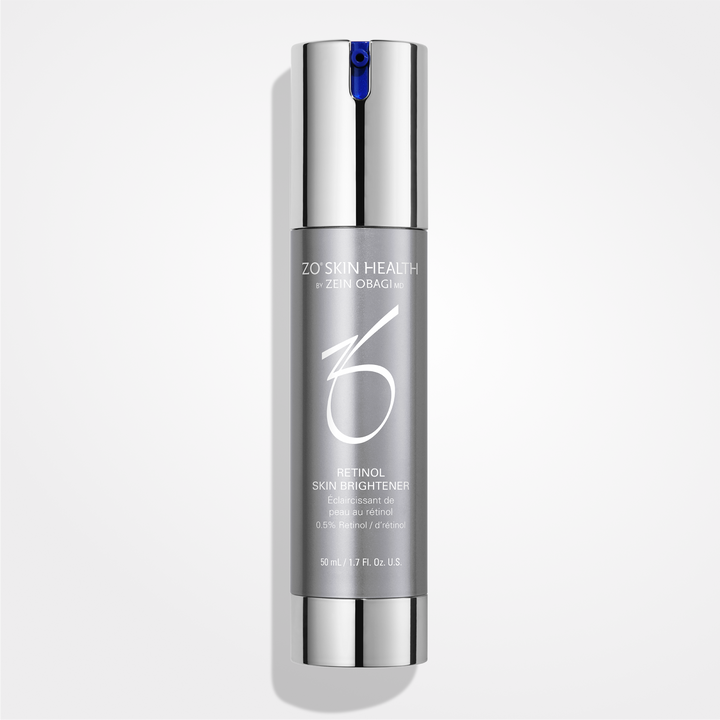
ZO Skin Health retinols are legendary, but confusing. Should you choose the 0.5% Brightener or the 0.5% Wrinkle & Texture Repair? Warning: They do not have the same power, even if they have the same percentage.
The difference isn't just the strength; it's the "vehicle" that drives the retinol into your skin.
| Feature | Retinol Skin Brightener (0.5% & 1.0%) | Wrinkle & Texture Repair (0.5%) | Verdict |
|---|---|---|---|
| Delivery System |
Oleosome (Slow Release) Encapsulated in an almond oil derivative. It releases slowly to target pigment without overwhelming the barrier immediately. |
Micro-Emulsion (Fast Release) Broken down into tiny particles for rapid, deep penetration. It hits the dermis fast. |
Science Slow vs. Fast. |
| Main Goal |
Tone & Pigment Best for sun damage, stubborn dark spots, and general brightening. Contains Bakuchiol to calm redness. |
Texture & Laxity Best for deep wrinkles, post-blemish marks, crepey skin ("turkey neck"), and rough texture. |
Target Color vs. Structure. |
| Reaction / Peel |
Moderate Expect flaking for the first 2-4 weeks, but it is generally manageable. |
Intense Known as "The Spicy One." Even at 0.5%, this often feels stronger than the 1.0% Brightener because it penetrates so quickly. |
Warning WTR is not for beginners. |
| Best For | Most users dealing with aging and sun damage. A great balance of power and safety. | Thick, oily, or heavily textured skin that needs a "resurfacing" effect. | Know your skin type. |
Scroll table right to see more →
We rarely recommend starting with WTR. Most clients start with a Brightener to condition the skin.
Swipe to explore →
This guide is reviewed by Dr. J. Porter, Medical Reviewer at the WeDoSkin Clinic in Calgary. As a Preferred Authorized Retailer, our clinical team works with these brands every day. Educational information, not a substitute for personalized medical advice. Our medical-review standards →

New to AlumierMD? Register & receive a free travel-size gift with your first purchase.
Enter your email to complete a one-time registration and continue shopping. You won't need to register again on future purchases.
As an authorized AlumierMD retailer, WeDoSkin is required to register first-time customers before purchase. We will email your registration confirmation and gift code to this address.
Already registered? Log in
Your AlumierMD registration is complete and your item is in the cart.
A complimentary AlumierMD travel size on your first AlumierMD order of $75 or more. We have added the gift to your cart, applied the code and emailed it to you:
ALUMIER13GIFTThis gift expires soon. Use it within 14 days.
You're already registered with WeDoSkin for AlumierMD. Your item is in the cart.
No registration needed, now or on future orders.