








Most canadian adults spend over eight hours each day in front of screens, exposing their skin to more blue light than ever before. This constant digital exposure raises new concerns because blue light can generate significantly more reactive oxygen species in your skin compared to UV rays. Understanding how blue light affects your complexion and what protection methods actually work empowers you to make choices that keep your skin healthy and resilient in a tech-driven world.
Table of Contents
- Defining Blue Light Protection Skincare
- Sources and Effects of Blue Light Exposure
- How Blue Light Impacts Skin Health
- Key Ingredients and Product Types
- Evaluating Benefits, Risks, and Alternatives
Key Takeaways
| Point | Details |
|---|---|
| Blue light skincare is essential | Protection against blue light is necessary due to its unique ability to penetrate deeper into the skin and cause cellular damage. |
| Targeted ingredients are critical | Effective blue light protection products should include antioxidants like Vitamin C and Niacinamide to counteract oxidative stress. |
| Cumulative damage is a concern | Prolonged exposure to blue light from digital screens can lead to accelerated aging and skin concerns that traditional sunscreens do not address. |
| Holistic approaches are effective | Combining advanced skincare with lifestyle modifications offers comprehensive protection against the potential adverse effects of blue light exposure. |
Defining Blue Light Protection Skincare
Blue light protection skincare represents a targeted approach to defending your skin against high-energy visible (HEV) light emitted by digital screens, smartphones, and artificial lighting. Unlike traditional UV protection, this specialised skincare category addresses the specific cellular damage caused by blue wavelengths that penetrate deeper into skin layers.
Modern research from dermatologist recommended skincare guides highlights the potential risks of prolonged blue light exposure. These wavelengths can trigger oxidative stress, accelerate skin aging, and potentially disrupt natural collagen and elastin production. Key characteristics of blue light protection skincare include:
- Targeted antioxidant formulations
- Specialised protective ingredients
- Digital screen defence mechanisms
- Cellular repair and prevention strategies
Scientific investigations suggest blue light can generate more reactive oxygen species compared to traditional UV radiation, making comprehensive protection crucial. Professional skincare approaches now integrate advanced defence technologies that not only block blue light but also neutralise potential cellular damage, offering a proactive solution for modern skin health challenges.
Sources and Effects of Blue Light Exposure
Blue light is a high-energy visible (HEV) light wavelength emitted by multiple modern technological sources, ranging from digital devices to natural sunlight. Unlike traditional UV radiation, blue light penetrates more deeply into skin layers, creating a unique set of potential health challenges that extend beyond conventional sun protection strategies.
The primary sources of blue light exposure include:
- Digital screens (smartphones, tablets, computers)
- LED and fluorescent lighting
- Sunlight
- Television displays
- Electronic billboards and signage
Research from the science behind mineral tinted sun protection indicates that prolonged blue light exposure can trigger significant physiological responses in skin cells. These wavelengths can generate reactive oxygen species, leading to accelerated skin aging, potential DNA damage, and disruption of natural cellular repair mechanisms.
Scientific investigations reveal that blue light exposure may contribute to several dermatological concerns, including premature skin aging, increased melanin production, and potential breakdown of collagen and elastin. Skin professionals now recognise that daily digital device usage creates cumulative damage that traditional sunscreens cannot fully mitigate, necessitating specialised protective skincare formulations designed to counteract these specific wavelength-induced challenges.
How Blue Light Impacts Skin Health
Cellular damage from blue light represents a complex and profound challenge to skin health, extending far beyond traditional understanding of light-induced skin aging. The molecular mechanisms triggered by prolonged blue light exposure create a cascade of physiological responses that can fundamentally alter skin structure and function at the deepest cellular levels.
Research indicates that blue light penetrates significantly deeper into skin layers compared to traditional UV radiation, causing multiple intricate damage pathways. The primary mechanisms of blue light skin impact include:
-
Direct mitochondrial DNA damage
-
Increased oxidative stress
-
Accelerated collagen and elastin breakdown
-
Disruption of natural cellular repair processes
-
Potential acceleration of hyperpigmentation
Professional skincare insights from skincare tips for maintaining healthy skin reveal that blue light exposure can generate significantly more reactive oxygen species than traditional UV radiation. These reactive molecules create oxidative stress that compromises skin’s natural protective mechanisms, potentially leading to premature aging, uneven skin tone, and reduced skin resilience.
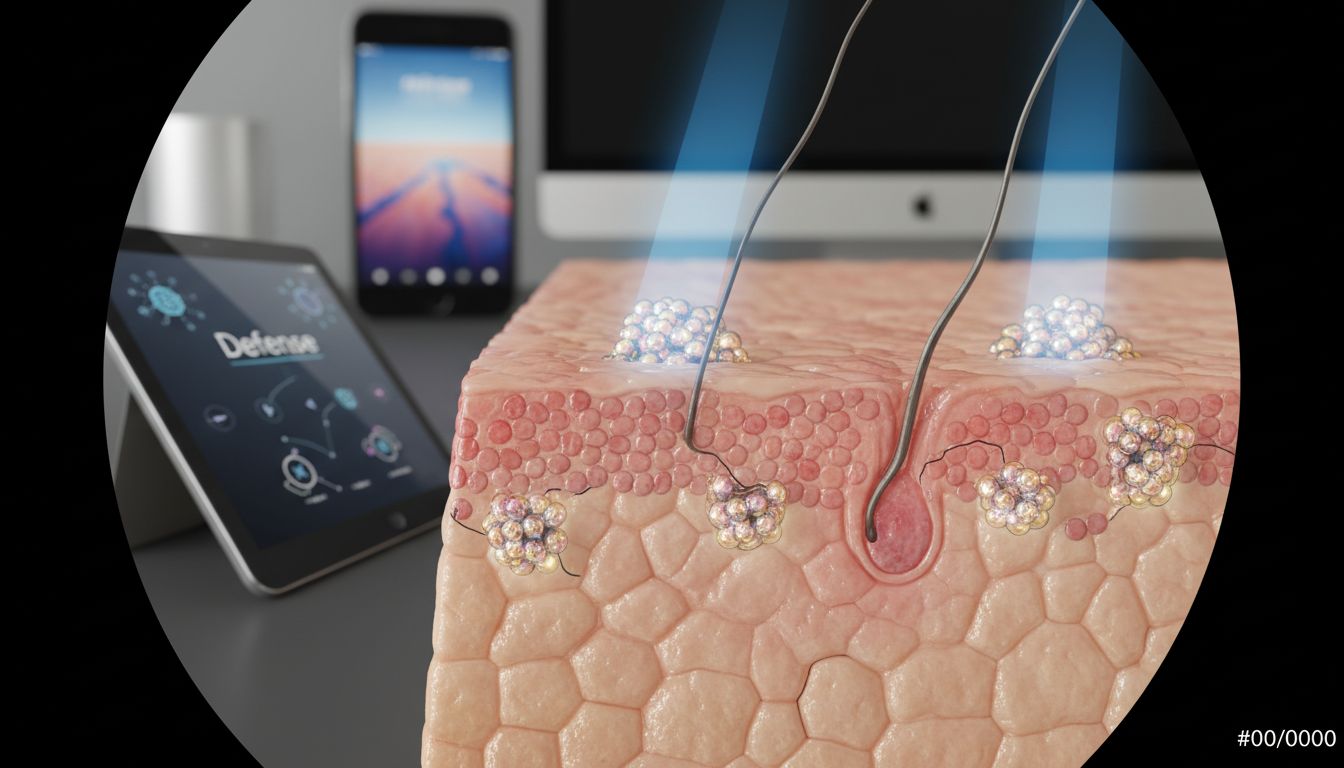
The long-term implications of blue light exposure extend beyond immediate visible changes. Scientific investigations suggest that consistent, cumulative blue light damage can trigger complex inflammatory responses, potentially disrupting the skin’s natural regenerative processes and compromising its protective barrier. This emerging understanding highlights the critical importance of comprehensive blue light protection strategies that go beyond traditional sunscreen applications.
Key Ingredients and Product Types
Blue light protection skincare demands a sophisticated approach to ingredient selection, focusing on powerful antioxidants and protective compounds that can neutralise high-energy visible light damage. The most effective formulations combine multiple defence mechanisms to create comprehensive skin protection against digital and environmental light exposure.
Key ingredients known for blue light protection include:
- Niacinamide: Reduces inflammation and supports cellular repair
- Vitamin C: Neutralises free radicals and brightens skin
- Zinc oxide: Provides physical light barrier
- Melanin: Natural pigment that absorbs blue light
- Iron oxides: Blocks high-energy light wavelengths
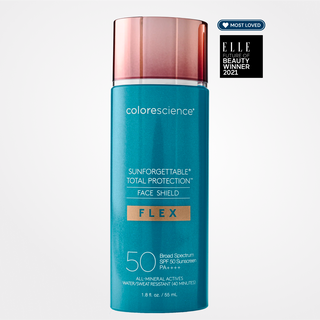
Professional skincare insights from professional skincare guide reveal that effective blue light protection products typically fall into several strategic categories. These include specialised sunscreens, antioxidant serums, daily moisturisers with built-in defence technologies, and targeted treatment products designed to mitigate cumulative digital light damage.
The most advanced blue light protection skincare goes beyond traditional defence, incorporating adaptive technologies that not only block harmful wavelengths but also support skin’s natural regenerative processes. Innovative formulations now combine multiple protective ingredients, creating multi-dimensional defence strategies that address both immediate light exposure and long-term cellular health, representing a new frontier in proactive skincare technology.
Evaluating Benefits, Risks, and Alternatives
Blue light protection represents a nuanced approach to modern skincare, balancing potential risks with targeted defensive strategies. Understanding the comprehensive landscape of protection requires a critical examination of both the potential cellular damage and the innovative solutions designed to mitigate these challenges.
The primary benefits and risks of blue light exposure include:
-
Potential Risks:
- Accelerated skin aging
- Increased oxidative stress
- Disruption of natural cellular processes
- Potential hormonal and circadian rhythm interference
-
Potential Benefits:
- Enhanced skin repair mechanisms
- Stimulation of certain protective cellular responses
- Improved understanding of light-induced skin interactions
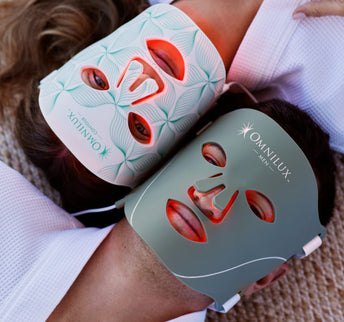
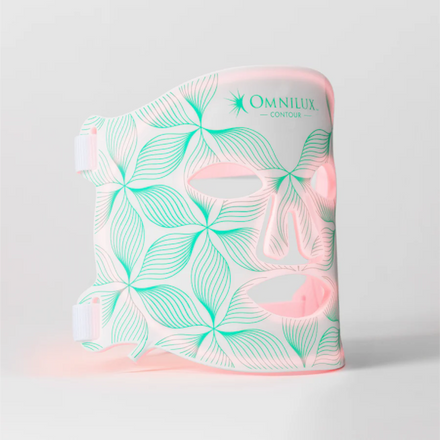
Innovative strategies from 7 best skincare devices list reveal multiple alternative approaches to blue light protection. These range from topical antioxidant treatments to advanced technological interventions that create comprehensive skin defence mechanisms.
Alternative protection strategies extend beyond traditional skincare, encompassing lifestyle modifications and technological interventions. Emerging research suggests that a holistic approach combining targeted skincare, strategic device usage, and proactive environmental management offers the most comprehensive protection against potential blue light-induced cellular damage. This multifaceted approach represents a sophisticated evolution in understanding and mitigating modern environmental skin challenges.
Protect Your Skin from Digital Damage with Advanced Blue Light Skincare
The article highlights the growing concern of blue light exposure and its deep impact on skin health, including accelerated aging and oxidative stress caused by daily screen time and artificial light. If you are seeking to defend your skin against these invisible threats with powerful antioxidants and physical blockers, it is crucial to choose products formulated specifically for blue light protection. These solutions help strengthen your skin’s natural barrier, reduce inflammation, and support cellular repair to maintain a youthful, radiant complexion.
Explore our curated selection of medical-grade skincare and beauty devices at wedoskin.ca designed to combat blue light effects.

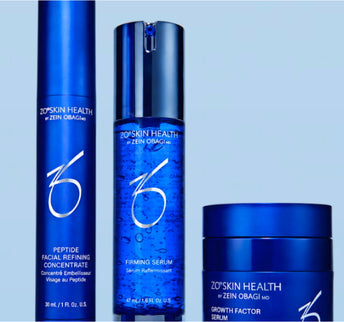
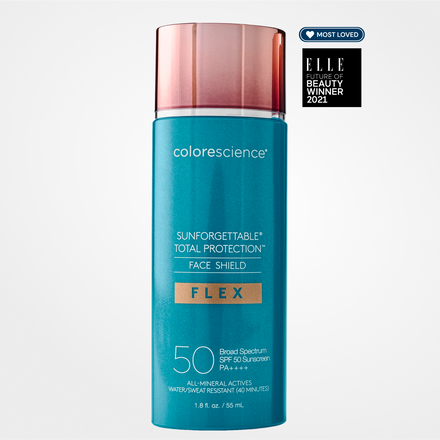
Discover premium brands like ZO Skin, Vivier, and Colorescience that offer targeted ingredients such as niacinamide, vitamin C, and iron oxides known for their blue light defence benefits. Start protecting your skin today with trusted products that go beyond traditional sunscreen, combining antioxidant serums and specialised moisturisers. Visit wedoskin.ca now to browse top-rated items, read genuine customer reviews, and take advantage of exclusive promotions tailored to help you achieve healthier, more resilient skin under constant digital exposure.
Frequently Asked Questions
What is blue light protection skincare?
Blue light protection skincare specifically addresses the damage caused by high-energy visible light emitted by digital devices and artificial lighting. It aims to prevent oxidative stress, skin aging, and disruption of collagen production that can arise from blue light exposure.
How does blue light exposure affect skin health?
Prolonged blue light exposure can lead to cellular damage, accelerate skin aging, increase pigmentation, and disrupt natural skin repair processes. This is due to blue light penetrating deeper into the skin layers compared to traditional UV radiation.
What are key ingredients to look for in blue light protection products?
Effective blue light protection products often contain key ingredients such as niacinamide, vitamin C, zinc oxide, melanin, and iron oxides. These ingredients work together to neutralize free radicals, provide a physical barrier, and enhance skin repair.
How can I incorporate blue light protection into my skincare routine?
To incorporate blue light protection, consider using specialized sunscreens with blue light defense, antioxidant serums, and daily moisturizers formulated to protect against digital light exposure. It’s also advisable to combine these products with lifestyle changes that reduce blue light exposure from devices.
Recommended
- Professional Skincare: Everything You Need to Know
- Step by Step Facial Care for Glowing, Healthy Skin
- The Science Behind Mineral Tinted Sun Protection
- Professional Skincare Brands: Complete Guide
- What Is Blue Light Skincare? Complete Overview
- 7 Top Clean Beauty Myths Sensitive Skin Seekers Should Know – Pure Light Botanical Beauty