


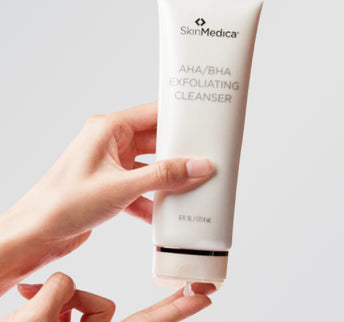
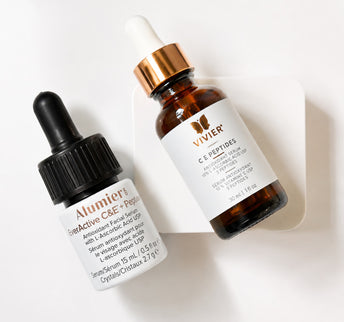
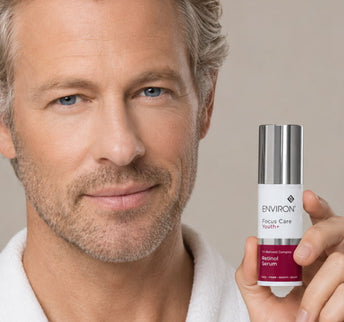
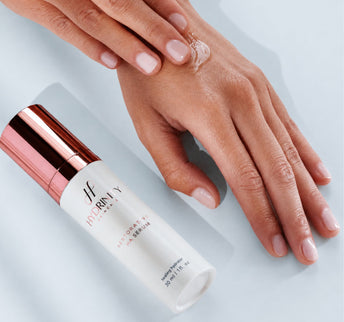



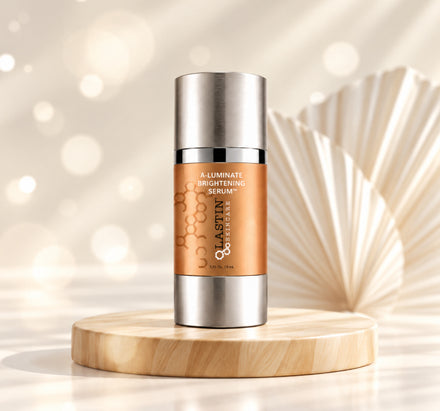
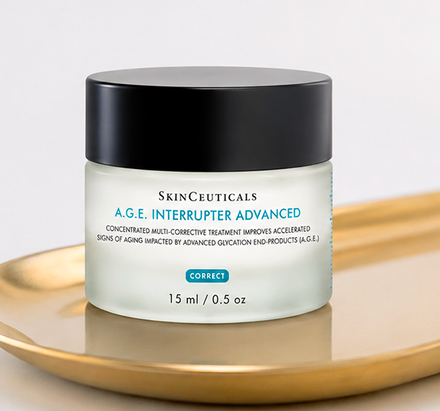


Most Canadians are surprised to learn that only about 20 percent of skincare products on the market deliver proven results for common skin concerns. Choosing between clinical skincare and traditional products is not just a matter of preference. For anyone serious about skin health, understanding how clinical options differ in their ingredients, testing, and regulation can make all the difference in achieving real, lasting improvements.
Table of Contents
- Defining Clinical Skincare Versus Traditional Products
- Types of Clinical Skincare: Products and Treatments
- Key Ingredients and How They Deliver Results
- How Clinical Skincare Is Tested and Regulated in Canada
- Comparing Benefits, Costs, and Common Misconceptions
Key Takeaways
| Point | Details |
|---|---|
| Clinical Skincare Offers Superior Efficacy | Clinical skincare products contain higher concentrations of active ingredients, allowing for deeper skin penetration and more significant results compared to traditional products. |
| Rigorous Testing Ensures Safety and Effectiveness | Clinical products undergo extensive testing and scientific validation, providing reliable efficacy that mass-market alternatives often lack. |
| Long-Term Investment in Skin Health | Although initially pricier, clinical skincare is cost-effective in the long run due to its targeted approach, reducing the need for multiple products and treatments. |
| Broad Applicability for Various Skin Concerns | Clinical formulations are designed to address a wide range of skin issues, making them suitable for diverse skin types and conditions beyond severe concerns. |
Defining Clinical Skincare Versus Traditional Products
Skincare isn’t a one-size-fits-all solution. Clinical skincare represents a sophisticated approach to skin health that goes far beyond traditional beauty products. Unlike standard retail offerings, clinical skincare leverages advanced scientific research and potent formulations designed to target specific skin concerns with precision and measurable results.
The key differentiator between clinical and traditional skincare lies in ingredient concentration and molecular delivery. Medical-grade products contain significantly higher percentages of active ingredients like retinoids, peptides, and antioxidants. These formulations are engineered to penetrate deeper skin layers, enabling genuine cellular-level transformation. Traditional over-the-counter products typically have lower active ingredient concentrations, which means their impact remains largely superficial.
What sets clinical skincare apart is its rigorous testing and scientific validation. Professional skincare brands undergo extensive clinical trials to substantiate their efficacy claims, unlike mass-market alternatives that rely more on marketing than measurable outcomes. Dermatologists and skin scientists meticulously develop these products, ensuring they meet stringent quality standards. This means when you invest in clinical skincare, you’re not just purchasing a product - you’re accessing targeted, research-backed solutions engineered to deliver genuine skin improvements.
Key distinctions between clinical and traditional skincare include:
- Higher active ingredient concentrations
- Advanced molecular delivery systems
- Scientifically validated formulations
- Targeted treatment of specific skin concerns
- Deeper, more substantive skin penetration
For Canadians seeking transformative skincare, understanding these nuanced differences can revolutionize your approach to skin health. Clinical skincare isn’t about temporary cosmetic fixes - it’s about creating sustainable, long-term skin wellness through intelligent, scientifically-developed solutions.
Types of Clinical Skincare: Products and Treatments
Clinical skincare represents a sophisticated approach to skin health that encompasses both advanced topical products and professional treatments. These solutions are meticulously designed to address specific skin concerns with targeted, scientifically-validated interventions that go beyond traditional cosmetic approaches.
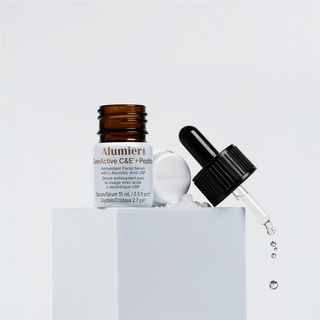
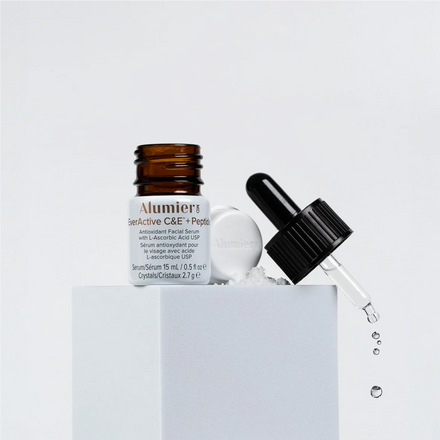
Topical clinical skincare products feature highly concentrated, stabilized active ingredients engineered for maximum skin absorption. Professional skincare treatments include precision formulations like 15% L-Ascorbic Acid vitamin C serums, micro-encapsulated retinol treatments, and peptide-rich formulations. These products are distinguished by their ability to penetrate deeper skin layers, delivering powerful ingredients that trigger genuine cellular-level transformations. Unlike standard retail products, these clinical formulations are calibrated to address specific concerns such as uneven skin tone, fine lines, hyperpigmentation, and early signs of ageing.
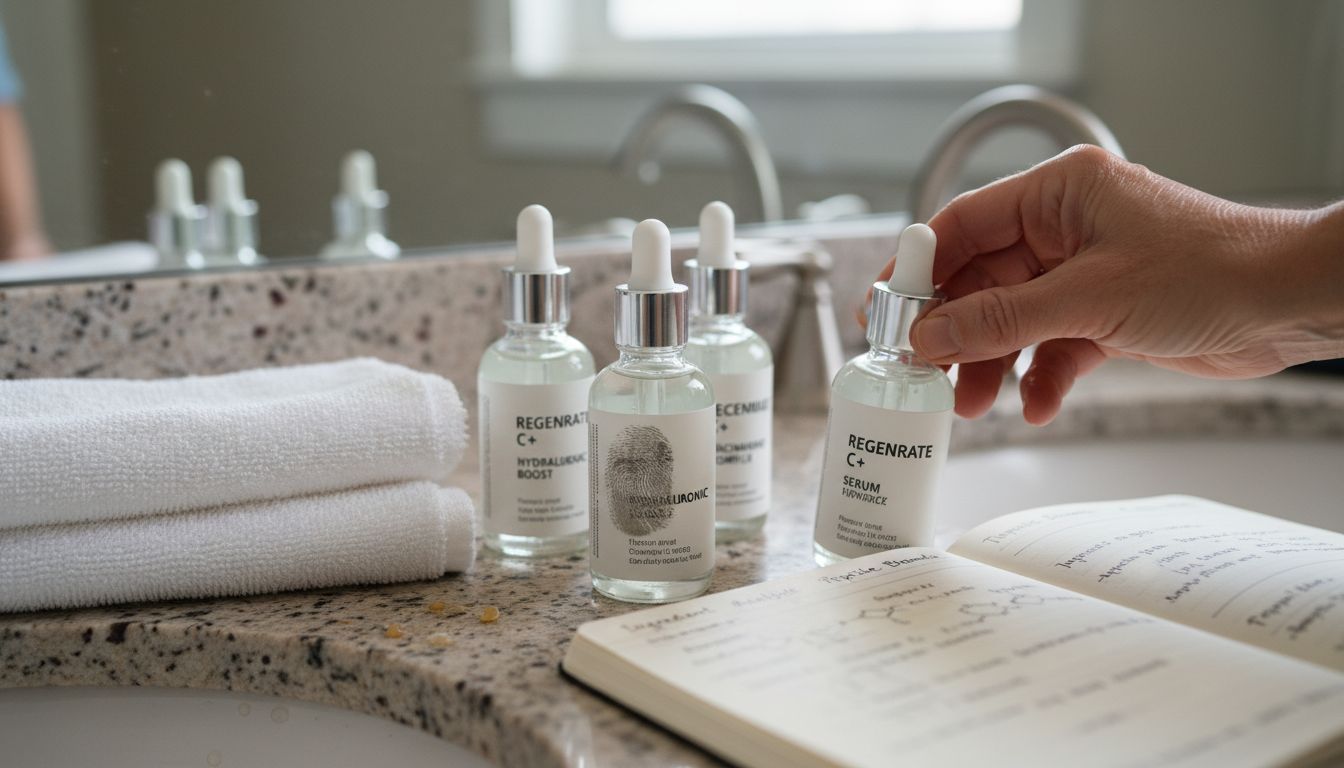
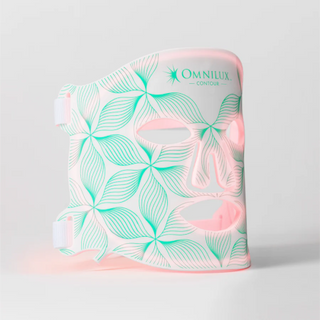
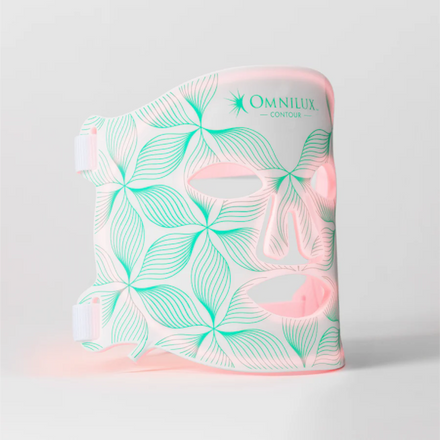
Professional clinical treatments extend beyond topical products, incorporating advanced therapeutic techniques. These may include non-invasive procedures like microneedling, laser resurfacing, chemical peels, and targeted light therapies. Each treatment is scientifically designed to stimulate collagen production, enhance skin elasticity, and promote comprehensive skin rejuvenation. The goal is not merely cosmetic improvement but fundamental skin health restoration.
Key types of clinical skincare include:
-
Topical Products
- High-potency vitamin serums
- Retinol treatments
- Peptide-rich formulations
- Targeted correction compounds
-
Professional Treatments
- Microneedling
- Laser resurfacing
- Chemical peels
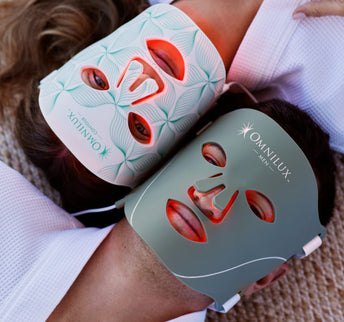
- Light therapy interventions
For Canadians seeking transformative skin solutions, clinical skincare offers a precise, scientifically-backed pathway to achieving healthier, more resilient skin. By combining advanced topical products with professional treatments, individuals can address complex skin concerns with unprecedented efficacy and long-term results.
Key Ingredients and How They Deliver Results
Clinical skincare is a precise science of strategic ingredient selection and advanced delivery mechanisms. Understanding how specific compounds interact with skin at a molecular level transforms skincare from cosmetic application to targeted therapeutic intervention. These sophisticated formulations leverage cutting-edge research to address complex skin concerns with unprecedented precision.
The most powerful clinical skincare ingredients operate through advanced molecular delivery systems. Non-invasive skincare approaches rely on innovative technologies like liposomal encapsulation and time-release formulations that enable active compounds to penetrate beyond the surface epidermis into deeper dermal layers. Retinoids, for instance, trigger cellular regeneration by communicating directly with skin receptors, while peptides stimulate collagen production and repair mechanisms. Vitamin C acts as a potent antioxidant, neutralizing free radicals and promoting even skin tone, while hyaluronic acid provides deep hydration by attracting and retaining moisture at cellular levels.
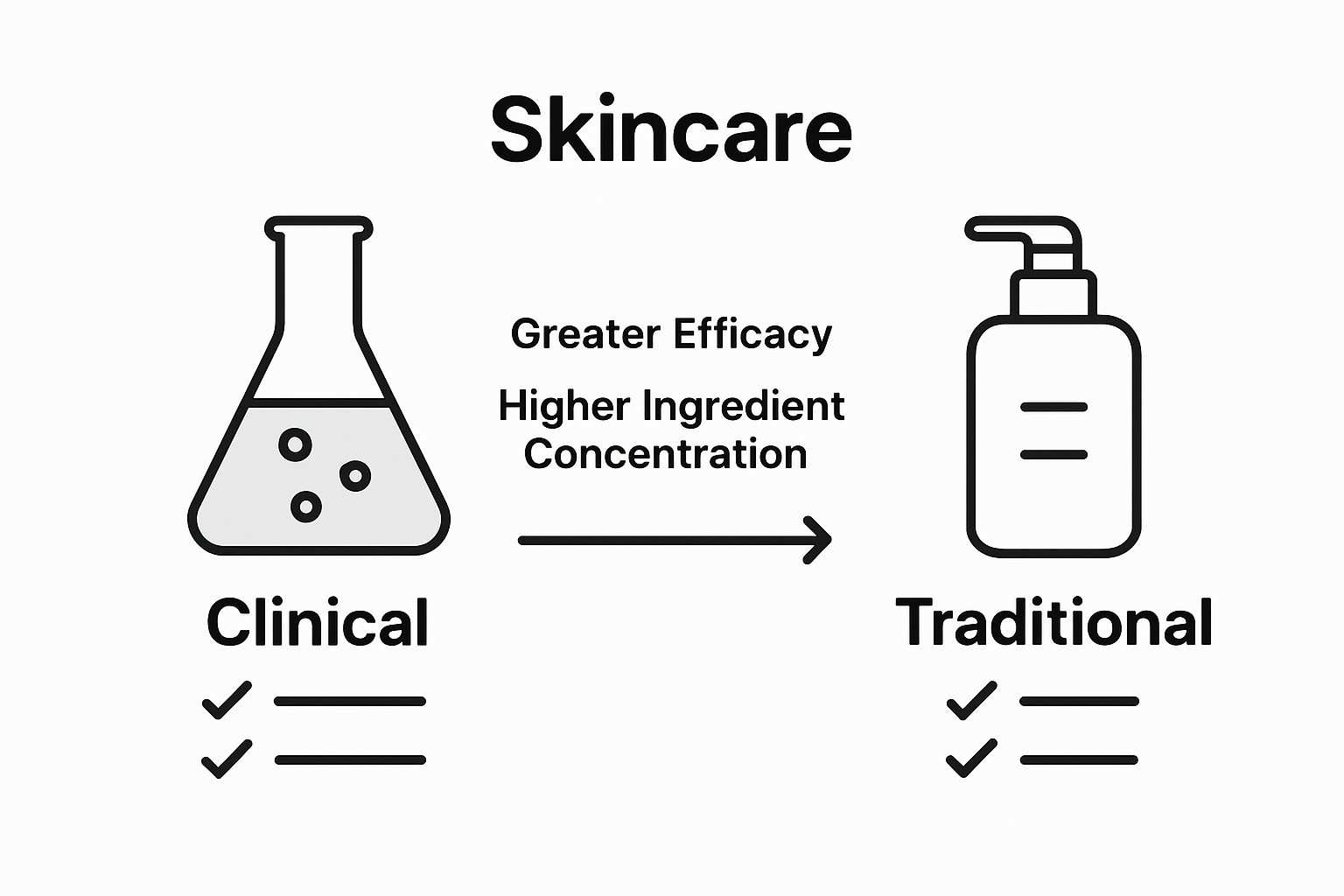
Key clinical skincare ingredients are distinguished by their targeted mechanisms and scientifically validated performance. Ingredients like niacinamide regulate sebum production and minimize pore appearance, while growth factors accelerate recovery and reduce visible redness. Antioxidants such as green tea extract and resveratrol provide protective benefits against environmental damage. Each compound is carefully selected and stabilized to ensure maximum bioavailability and minimal irritation, representing a quantum leap beyond traditional skincare approaches.
Key performance ingredients include:
-
Cellular Regenerators
- Retinoids
- Peptides
- Growth factors
-
Protective Compounds
- Vitamin C
- Antioxidants
- Niacinamide
-
Hydration Specialists
- Hyaluronic acid
- Ceramides
- Glycerin
For discerning Canadian skincare enthusiasts, understanding these ingredient mechanisms transforms skincare from a cosmetic ritual to a scientifically informed health practice. By selecting products with strategically formulated, clinically tested ingredients, individuals can achieve remarkable, sustainable skin transformation.
How Clinical Skincare Is Tested and Regulated in Canada
Clinical skincare regulation in Canada represents a sophisticated system designed to protect consumers and ensure the highest standards of product safety and efficacy. Health Canada plays a critical role in overseeing cosmetic and clinical skincare products, implementing rigorous guidelines that manufacturers must navigate to bring their products to market.
The regulatory framework begins with stringent documentation requirements. Dermatologist recommended skincare manufacturers must submit a Cosmetic Notification Form within 10 days of first sale, providing comprehensive details about product ingredients, concentrations, and potential interactions. Health Canada’s Good Manufacturing Practices (GMPs) mandate extensive controls across multiple dimensions, including:
- Facility and equipment standards
- Personnel training and qualifications
- Raw material sourcing and verification
- Production process monitoring
- Laboratory quality control
- Detailed record-keeping
- Product labelling accuracy
- Customer complaint management
Beyond initial registration, Health Canada maintains ongoing oversight to prevent the sale of products that could potentially cause injury when used as directed. Clinical skincare brands must demonstrate not just compliance, but a commitment to scientific integrity and consumer safety. This involves comprehensive testing protocols that examine ingredient stability, potential interactions, skin penetration mechanisms, and long-term effects. Manufacturers are required to maintain robust documentation proving their products meet exacting safety standards, with potential for government intervention if consumer risks are identified.
The regulatory landscape ensures that Canadian consumers receive skincare products that have undergone meticulous scrutiny. This multi-layered approach protects individuals from potentially harmful formulations while encouraging innovation in skincare science. By maintaining such high standards, Health Canada creates an environment where clinical skincare can evolve, delivering scientifically validated solutions that prioritize both efficacy and consumer well-being.
Comparing Benefits, Costs, and Common Misconceptions
Clinical skincare represents a sophisticated investment in long-term skin health, challenging traditional assumptions about cosmetic treatments. While the initial cost may appear higher compared to conventional skincare, the scientific precision and targeted results offer significant value that extends far beyond surface-level improvements.
Professional skincare treatments deliver measurable benefits that justify their investment. Clinical products undergo rigorous scientific testing, providing concrete before-and-after evidence of their effectiveness. Unlike retail skincare, which often relies on marketing claims, these advanced formulations demonstrate precise cellular-level improvements. Key comparative advantages include:
-
Performance Metrics
- Deeper ingredient penetration
- Scientifically validated results
- Targeted skin concern resolution
- Longer-lasting improvements
-
Cost-Effectiveness Factors
- Reduced need for multiple products
- Prevention of long-term skin damage
- Fewer invasive treatments required
- More concentrated active ingredients
Many consumers harbour misconceptions about clinical skincare, believing it to be overly complex or exclusively for individuals with significant skin issues. In reality, these products offer nuanced solutions for various skin types and concerns. The advanced formulations are designed to be adaptable, with carefully calibrated ingredients that work harmoniously with different skin biochemistries. This approach contrasts sharply with the one-size-fits-all mentality of mass-market skincare products.
Ultimately, clinical skincare represents an intelligent approach to skin health. By investing in scientifically developed products, individuals can address underlying skin concerns more effectively than through traditional cosmetic treatments. The marginally higher upfront cost translates into substantial long-term benefits, including improved skin resilience, reduced aging signs, and a more comprehensive approach to personal skincare maintenance.
Unlock The Power Of Clinical Skincare With Wedoskin
Understanding the science behind clinical skincare reveals why many traditional products fall short. The advanced formulations, higher concentrations of active ingredients, and proven ingredient delivery mechanisms can transform your skin at a cellular level. If you are a Canadian seeking effective solutions for stubborn concerns like uneven skin tone, fine lines, or hydration deficits, you need access to medically validated products and professional-grade treatments that deliver real results.

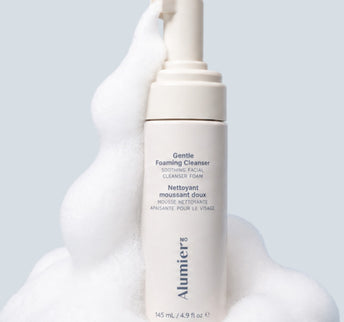
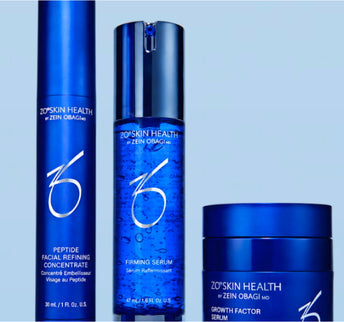
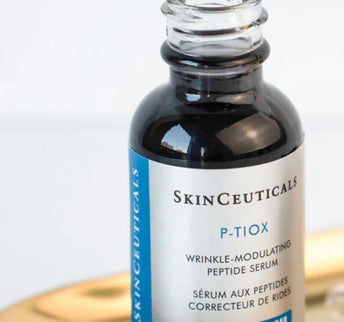
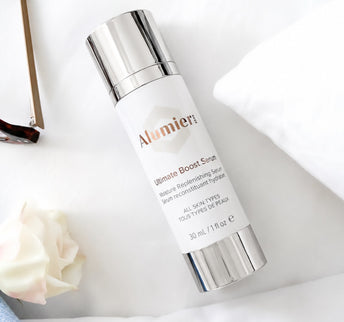
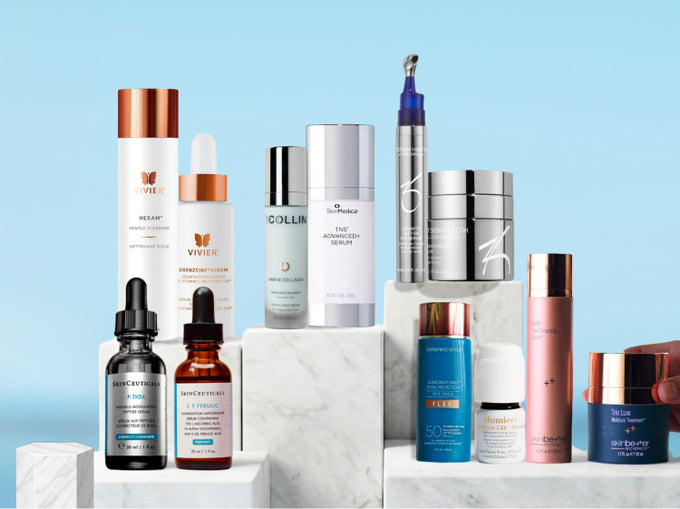
Experience the difference today by exploring the curated collection of medical grade skincare brands at Wedoskin. Take advantage of expertly formulated products from trusted names like ZO Skin, Vivier, and AlumierMD that are backed by scientific research and tailored for Canadian skin needs. Visit https://wedoskin.ca now to browse reviews, discover special promotions, and start your journey to healthier, more radiant skin with confidence.
Frequently Asked Questions
What is the difference between clinical skincare and traditional skincare products?
Clinical skincare features higher concentrations of active ingredients and is scientifically validated to target specific skin concerns, whereas traditional skincare typically has lower ingredient concentrations and primarily offers superficial benefits.
How are clinical skincare products tested for safety and effectiveness?
Clinical skincare products undergo rigorous testing by manufacturers to meet Health Canada’s stringent guidelines. This includes ingredient stability, potential interactions, and long-term effects assessments to ensure consumer safety and product efficacy.
What types of ingredients are commonly found in clinical skincare products?
Common ingredients in clinical skincare include retinoids, peptides, vitamin C, hyaluronic acid, and antioxidants like niacinamide. These compounds are chosen for their ability to penetrate deeper skin layers and deliver targeted results.
Are clinical skincare products suitable for all skin types?
Yes, clinical skincare products are designed to address various skin concerns and types. They are formulated with carefully calibrated ingredients that work with different skin biochemistries, making them adaptable for various users.
Recommended
- Complete Guide to Dermatologist Recommended Skincare
- 7 Essential Skincare Tips for Canadians Seeking Healthier Skin
- Professional Skincare Brands: Complete Guide
- Step by Step Facial Care for Glowing, Healthy Skin
- The Ultimate Guide to Clean & Musky Perfumes: The ‘That Girl’ Scent Ed
