



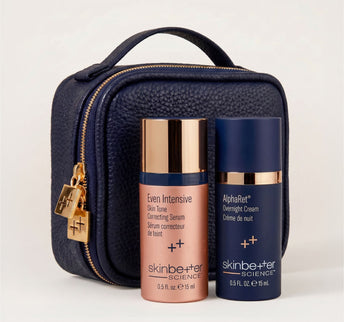
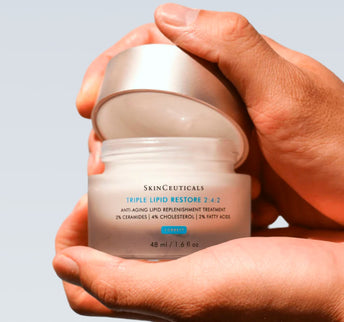
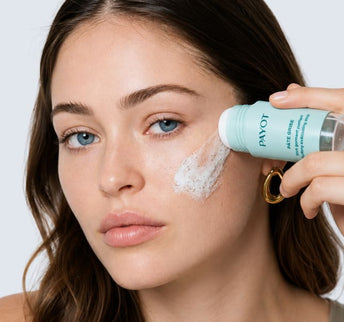
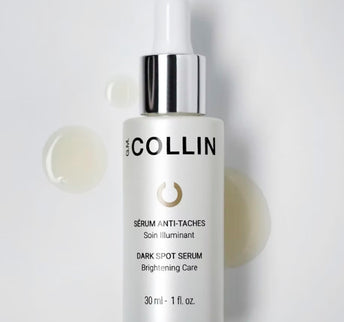
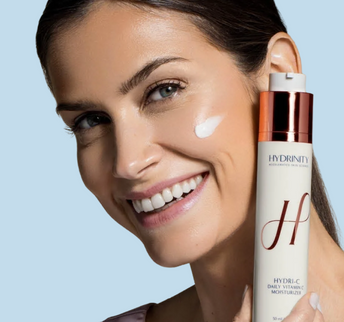
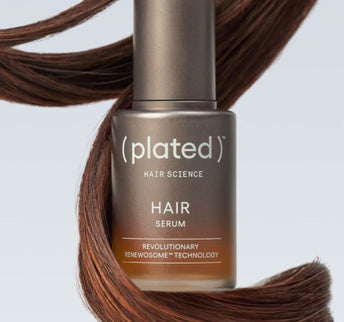
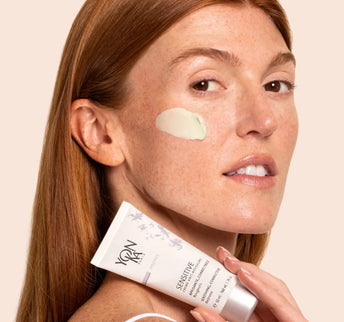
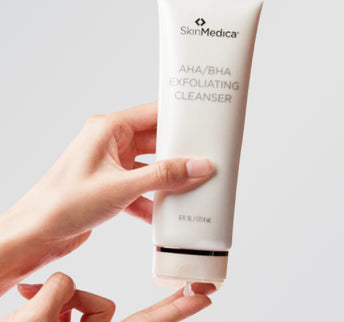
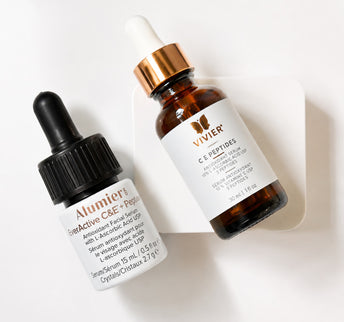
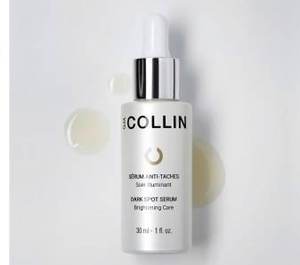
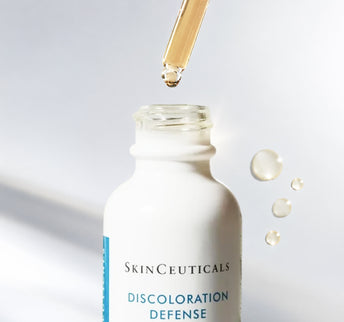
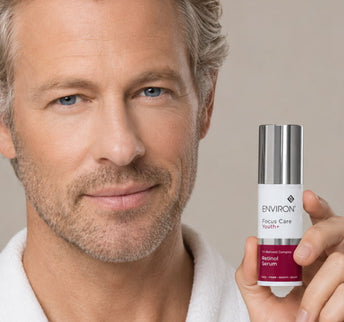




Over 60 percent of canadian adults report dissatisfaction with standard skincare results. As more people seek solutions that truly change their skin, medical grade skincare has become a hot topic across canada. These advanced products promise more than just a quick fix by using powerful ingredients backed by science. This guide sheds light on how medical grade options differ from everyday creams and why canadian shoppers are paying closer attention to ingredient quality, safety, and real clinical results.
Table of Contents
- Defining Medical Grade Skincare Products
- Key Differences: Medical Grade Vs. Over-The-Counter
- How Medical Grade Skincare Works
- Common Ingredients And Their Roles
- Safety, Regulations, And Canadian Standards
- Benefits, Risks, And Buying Considerations
Key Takeaways
| Point | Details |
|---|---|
| Medical Grade Skincare Definition | Medical grade skincare products are scientifically formulated solutions designed for deeper penetration and more effective treatment of complex skin concerns. |
| Key Differences from OTC Products | Medical grade products contain higher concentrations of active ingredients and undergo rigorous clinical testing, unlike standard over-the-counter options. |
| Functionality and Mechanism | These products use advanced molecular penetration and targeted cellular communication to initiate transformative skin health processes. |
| Regulatory Standards | In Canada, medical grade skincare must comply with stringent Health Canada regulations to ensure safety and efficacy, emphasizing ingredient transparency and clinical validation. |
Defining Medical Grade Skincare Products
Medical grade skincare represents a sophisticated category of professional-level skincare products specifically designed to deliver advanced, clinically validated results. Unlike standard over-the-counter products, medical grade skincare focuses on scientifically formulated solutions that penetrate deeper skin layers, targeting specific dermatological concerns with pharmaceutical-level precision. These products are developed using higher concentrations of active ingredients, rigorously tested for efficacy, and often recommended by skincare professionals.
The hallmark of medical grade skincare lies in its exceptional ingredient quality and molecular design. Typically, these formulations contain more concentrated and purified active ingredients like retinoids, peptides, antioxidants, and growth factors that can effectively address complex skin conditions. Professional skincare brands distinguish themselves through pharmaceutical-grade ingredient standards, meaning each component undergoes extensive research and testing to ensure maximum potency and minimal irritation.
Key characteristics that separate medical grade skincare from traditional beauty products include:
- Higher Ingredient Concentration: Typically 2-5x more active ingredients compared to retail skincare
- Molecular Size: Smaller molecular structures enabling deeper skin penetration
- Clinical Testing: Scientifically validated formulations with proven performance metrics
- Professional Endorsement: Often recommended by dermatologists and skincare specialists
Understanding medical grade skincare requires recognizing its targeted approach to skin health. These products aren’t merely cosmetic solutions but transformative treatments designed to address underlying skin concerns at a cellular level. By leveraging advanced scientific research and pharmaceutical-grade ingredients, medical grade skincare offers a strategic pathway to achieving comprehensive skin rejuvenation and long-term dermatological wellness.
Key Differences: Medical Grade vs. Over-the-Counter
Medical grade skincare and over-the-counter (OTC) products represent two fundamentally different approaches to skin health, with significant variations in formulation, ingredient quality, and therapeutic potential. While OTC products are designed for general maintenance and surface-level improvements, medical grade skincare offers a targeted, scientifically advanced solution for addressing complex skin concerns with pharmaceutical-level precision.
The most critical distinctions emerge in ingredient concentration and molecular design. Medical grade products contain substantially higher percentages of active ingredients compared to their retail counterparts, often delivering 2-5x more concentrated formulations. Professional skincare brands leverage advanced molecular technologies that enable deeper skin penetration, allowing active compounds to interact more effectively with cellular structures and trigger meaningful skin transformation.
Key comparative aspects include:
-
Ingredient Potency
- Medical Grade: Pharmaceutical-grade, highly concentrated active ingredients
- OTC: Lower concentration, more generalized formulations
-
Penetration Depth
- Medical Grade: Smaller molecular structures enabling deeper dermal absorption
- OTC: Primarily surface-level interaction
-
Regulatory Oversight
- Medical Grade: Rigorous clinical testing and professional validation
- OTC: Minimal regulatory requirements
-
Skin Concern Targeting
- Medical Grade: Precise solutions for specific dermatological issues
- OTC: Broad, generalized skin maintenance
Understanding these fundamental differences empowers consumers to make informed skincare choices. Medical grade skincare isn’t simply a luxury—it’s a strategic investment in comprehensive skin health, offering scientifically validated solutions that transcend traditional cosmetic approaches. By prioritizing clinical efficacy and targeted molecular interventions, these products represent a sophisticated pathway to achieving lasting skin wellness and rejuvenation.
How Medical Grade Skincare Works
Medical grade skincare functions through a sophisticated molecular approach that distinguishes it from traditional skincare methods. At its core, these advanced formulations leverage precision-engineered delivery systems designed to penetrate beyond the skin’s surface, targeting cellular mechanisms responsible for skin health and regeneration. Unlike standard over-the-counter products that primarily interact with superficial skin layers, medical grade skincare initiates transformative processes directly within the dermis.

The mechanism of action revolves around three primary scientific principles: advanced molecular penetration, targeted cellular communication, and concentrated active ingredient delivery. Growth factors in skincare play a critical role in this process, enabling deeper interaction with skin cells and triggering natural repair and renewal processes. These sophisticated formulations contain smaller molecular structures that can navigate through the skin’s protective barriers, ensuring active ingredients reach the precise cellular locations where meaningful transformation occurs.
Key scientific mechanisms include:
-
Molecular Penetration
- Smaller ingredient molecules
- Enhanced dermal absorption capabilities
- Direct cellular interaction
-
Cellular Signalling
- Activation of collagen production
- Stimulation of natural recovery processes
- Regulation of skin cell behaviour
-
Active Ingredient Concentration
- Pharmaceutical-grade components
- Higher potency formulations
- Targeted molecular interventions
Understanding these intricate workings reveals why medical grade skincare represents a quantum leap beyond traditional cosmetic approaches. By prioritizing scientifically validated molecular interactions and leveraging advanced delivery technologies, these products offer a nuanced, evidence-based pathway to comprehensive skin health. The result is not merely superficial improvement, but a profound, cellular-level transformation that addresses underlying skin concerns with unprecedented precision and effectiveness.
Common Ingredients and Their Roles
Medical grade skincare harnesses powerful active ingredients that transcend traditional cosmetic formulations, delivering targeted molecular interventions designed to address complex skin concerns with unprecedented precision. These scientifically advanced components are carefully selected and formulated at pharmaceutical-grade concentrations to interact directly with skin cells, triggering profound regenerative and protective mechanisms that traditional over-the-counter products simply cannot achieve.
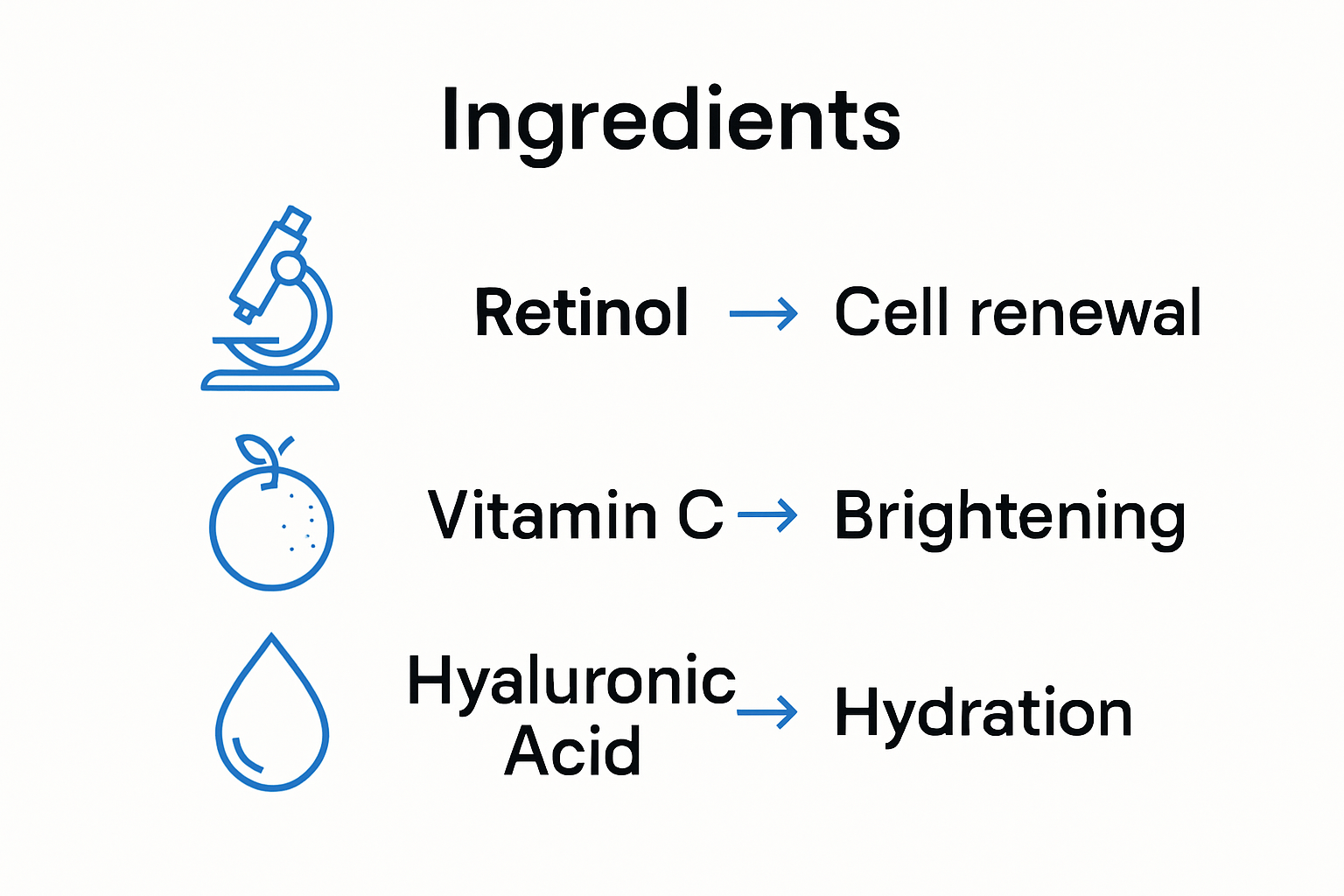
Dermatologist recommended skincare typically incorporates a strategic blend of transformative ingredients, each performing a specific role in skin health and rejuvenation. The most potent medical grade ingredients work synergistically to repair, protect, and revitalise skin at a cellular level, addressing concerns ranging from aging and hyperpigmentation to texture and hydration.
Key medical grade skincare ingredients and their primary functions include:
-
Retinol (Vitamin A Derivative)
- Accelerates cellular turnover
- Stimulates collagen production
- Reduces fine lines and wrinkles
- Improves skin texture and tone
-
Vitamin C
- Powerful antioxidant protection
- Brightens skin complexion
- Inhibits melanin production
- Supports collagen synthesis
-
Hyaluronic Acid
- Intense hydration
- Plumps skin cells
- Reduces appearance of fine lines
- Supports skin barrier function
-
Peptides
- Signals skin repair mechanisms
- Enhances collagen generation
- Supports skin elasticity
- Promotes cellular communication
Understanding these ingredients transforms skincare from a cosmetic routine into a sophisticated, scientifically-driven approach to skin health. By leveraging pharmaceutical-grade components with targeted molecular interactions, medical grade skincare offers more than superficial improvements—it provides a comprehensive strategy for long-term skin wellness, addressing underlying concerns with unparalleled effectiveness and precision.
Safety, Regulations, and Canadian Standards
Medical grade skincare operates within a complex regulatory landscape that prioritizes consumer safety, product efficacy, and transparent manufacturing practices. In Canada, skincare products are subject to rigorous oversight by Health Canada, which maintains stringent standards to protect consumers and ensure the highest quality of cosmetic and medical skincare formulations. These regulations encompass comprehensive testing protocols, ingredient disclosure requirements, and strict manufacturing guidelines that differentiate medical grade products from standard retail offerings.
Non-invasive skincare products must navigate a particularly intricate regulatory environment. While the term ‘medical grade’ is not officially regulated, reputable brands voluntarily adhere to pharmaceutical-level standards that exceed typical cosmetic requirements. This self-imposed scrutiny involves extensive clinical testing, molecular research, and quality control measures that guarantee product safety, consistency, and therapeutic potential.
Key regulatory considerations for medical grade skincare include:
-
Ingredient Transparency
- Complete disclosure of all product components
- Compliance with Health Canada ingredient restrictions
- Detailed labelling requirements
- Prohibition of harmful or potentially dangerous substances
-
Manufacturing Standards
- Pharmaceutical-grade production facilities
- Consistent quality control protocols
- Third-party testing and verification
- Adherence to Good Manufacturing Practices (GMP)
-
Clinical Validation
- Scientifically proven efficacy
- Documented molecular interaction studies
- Transparent research methodologies
- Comprehensive safety assessments
Understanding these regulatory frameworks empowers consumers to make informed skincare choices. Medical grade skincare represents more than a premium product category—it embodies a commitment to scientific integrity, consumer protection, and advanced dermatological research. By prioritizing safety, transparency, and evidence-based development, these products offer a sophisticated approach to skin health that transcends traditional cosmetic boundaries.
Benefits, Risks, and Buying Considerations
Medical grade skincare represents a sophisticated investment in skin health, offering transformative potential beyond traditional cosmetic approaches. While these products promise remarkable results, prospective users must carefully evaluate their unique skin needs, potential risks, and financial commitments. The decision to incorporate medical grade skincare into your routine requires a nuanced understanding of individual skin characteristics, long-term goals, and personal wellness objectives.
Dermatologist recommended skincare emphasizes the importance of personalised assessment before selecting advanced skincare solutions. Medical grade products deliver potent, scientifically formulated interventions that can dramatically improve skin health, but they also demand responsible and informed application. Potential users should consider comprehensive factors that extend beyond immediate cosmetic improvements.
Critical considerations for medical grade skincare include:
-
Benefits
- Clinically tested results
- Higher ingredient concentration
- Targeted molecular interventions
- Comprehensive skin health improvement
-
Potential Risks
- Higher likelihood of skin sensitivity
- Potential initial adjustment period
- Risk of over-stimulation
- Increased photosensitivity
-
Buying Considerations
- Professional skin consultation recommended
- Budget for higher-priced products
- Individual skin type compatibility
- Long-term treatment commitment
Successful medical grade skincare integration demands a holistic approach. Consumers must balance scientific innovation, personal skin requirements, and realistic expectations. By approaching these advanced skincare solutions with informed deliberation, individuals can unlock transformative skin health potential while mitigating potential risks and maximizing long-term wellness outcomes.
Discover the Power of Medical Grade Skincare for Lasting Skin Health
Struggling with skin concerns that over-the-counter products just cannot fix Medical grade skincare offers scientifically advanced solutions designed to target issues at a deeper cellular level with pharmaceutical-grade ingredients like retinol peptides and vitamin C As explained in the article these products provide enhanced molecular penetration and greater active ingredient concentration making them the key to effective skin transformation and long-term wellness

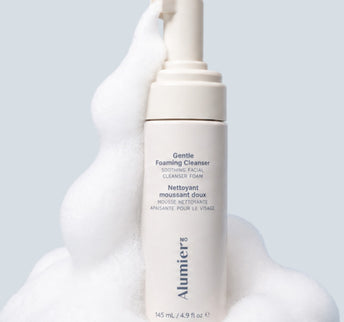
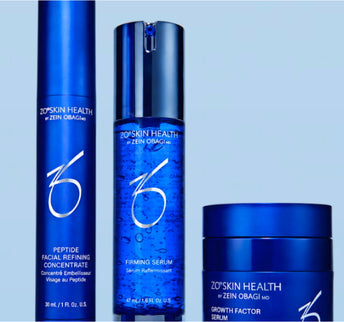
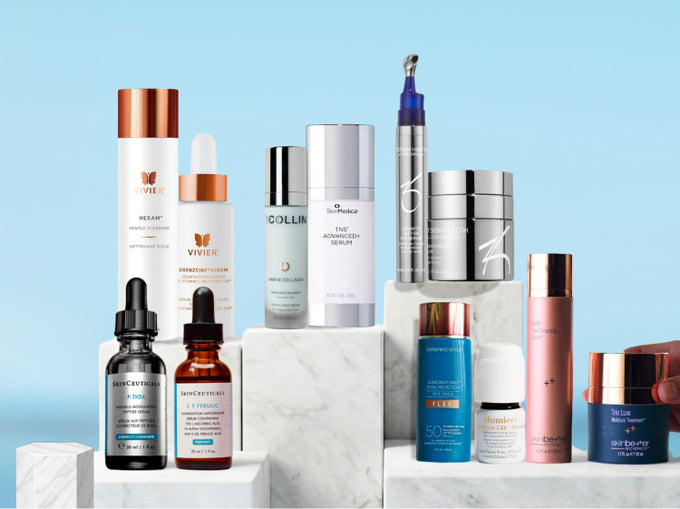
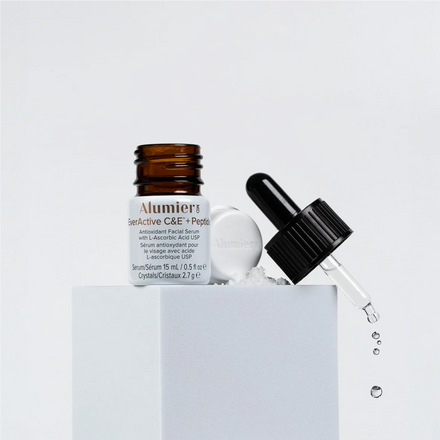
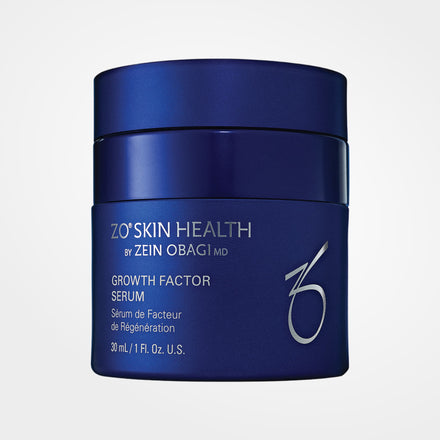
Ready to experience these benefits firsthand Explore our premium selection of medical grade skincare brands such as ZO Skin Vivier and AlumierMD At wedoskin.ca you will find trusted products that combine clinical validation with luxurious care Act now take advantage of our latest promotions and cashback offers to start your personalized skin health journey with confidence Visit wedoskin.ca today and invest in skincare that truly works
Frequently Asked Questions
What are medical grade skincare products?
Medical grade skincare products are professional-level formulations designed to deliver clinically validated results. They contain higher concentrations of active ingredients that penetrate deeper into the skin, targeting specific dermatological concerns with precision.
How do medical grade skincare products differ from over-the-counter products?
Medical grade skincare products contain significantly higher concentrations of active ingredients, allowing for deeper skin penetration and targeted treatment of specific issues. Over-the-counter products generally focus on surface-level improvements and have lower ingredient potency.
What are some common active ingredients found in medical grade skincare?
Common active ingredients in medical grade skincare include retinol (Vitamin A), Vitamin C, hyaluronic acid, and peptides. Each ingredient serves distinct roles, such as accelerating cellular turnover, providing hydration, and enhancing collagen production.
Are there any risks associated with using medical grade skincare?
Yes, while medical grade skincare can provide significant benefits, there are potential risks such as skin sensitivity, adjustment periods, and increased photosensitivity. It is important to consult a skincare professional to determine compatibility and usage appropriate for your skin type.
Recommended
- Professional Skincare: Everything You Need to Know
- Professional Skincare Brands: Complete Guide
- Complete Guide to Dermatologist Recommended Skincare
- Step by Step Facial Care for Glowing, Healthy Skin
- 7 Essential Types of Skincare Routines for Every Lifestyle
- Natural Skincare: Everything You Need to Know