






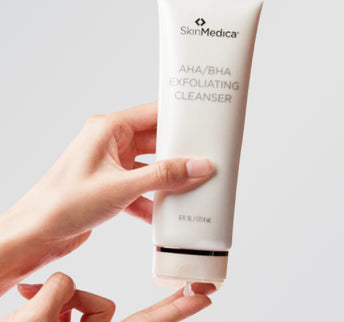
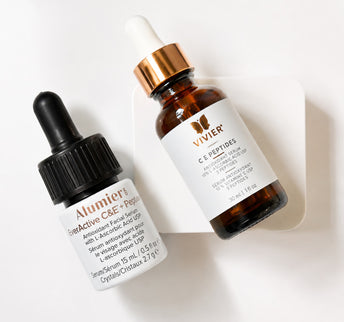
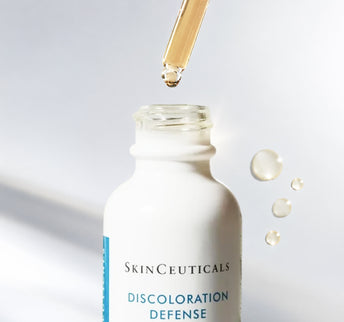




Nearly 90 percent of canadian adults say their skin behaves differently as the weather changes. If you have ever found yourself puzzled by new dryness in winter or unexpected oiliness in summer, you are not alone. The right skincare routine begins with understanding your unique skin type, choosing products that truly fit, and updating your approach as seasons and skin needs shift. This guide brings practical steps to help every canadian achieve healthier, more confident skin year round.
Table of Contents
- 1. Identify Your Skin Type For Personalised Care
- 2. Start With A Gentle Cleanser Every Morning And Night
- 3. Apply A Quality Toner To Balance Skin Ph
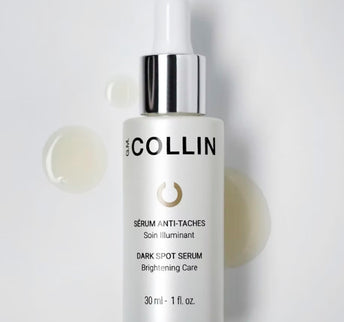
- 4. Use Targeted Serums For Specific Skin Concerns
- 5. Moisturise With Products Suited To Your Skin
- 6. Always Apply Broad-Spectrum Spf In The Morning
- 7. Incorporate Exfoliation Into Your Weekly Routine
- 8. Evaluate And Adjust Your Routine Regularly
Quick Summary
| Key Insight | Clarification |
|---|---|
| 1. Identify Your Skin Type | Understand whether you have normal, dry, oily, combination, or sensitive skin to select appropriate products. |
| 2. Use a Gentle Cleanser | Cleanse your face twice daily with a gentle product that suits your skin type to maintain balance. |
| 3. Apply Toner After Cleansing | Use a toner suited to your skin type to restore pH and improve absorption of subsequent products. |
| 4. Select Targeted Serums for Concerns | Choose serums based on specific skin issues for effective treatment; consistency is key for results. |
| 5. Always Use Sun Protection | Apply broad-spectrum SPF daily to safeguard your skin against UV damage and premature aging. |
1. Identify Your Skin Type for Personalised Care
Understanding your skin type is the foundational first step in creating an effective skincare routine tailored to your unique needs. By identifying whether you have normal, dry, oily, combination, or sensitive skin, you can select products and treatments that will truly support your skin’s health and appearance.
The professional skincare guide recommends using the Fitzpatrick Skin Type Chart as a reliable self assessment method. This tool helps you analyse your skin’s characteristics by scoring responses to specific questions about your skin’s reaction to UV exposure and natural pigmentation.
Key Characteristics to Evaluate:
- Skin texture and moisture levels
- Oil production
- Sensitivity to environmental factors
- Tendency towards breakouts or dryness
How to Determine Your Skin Type
Start by observing your skin throughout the day. Skin types generally include:
- Normal: Balanced moisture, few imperfections
- Dry: Feels tight, may appear flaky or rough
- Oily: Shiny appearance, prone to enlarged pores
- Combination: Different characteristics in different facial zones
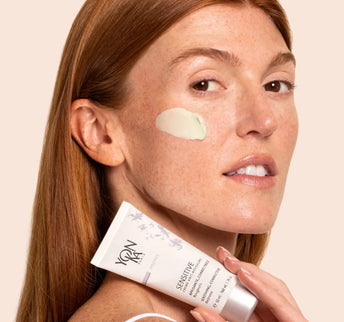
- Sensitive: Easily irritated, prone to redness
For the most accurate assessment, consult a skincare professional who can provide a detailed analysis using advanced diagnostic techniques. Remember that your skin type can change with age, hormonal shifts, and environmental factors, so periodic reassessment is recommended.
2. Start with a Gentle Cleanser Every Morning and Night
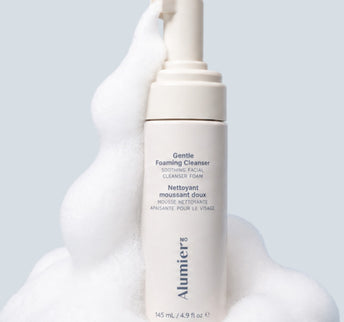
Cleansing is the cornerstone of any effective skincare routine, acting as the crucial first step in removing impurities, excess oil, and environmental pollutants that accumulate on your skin throughout the day. Selecting a gentle cleanser that matches your specific skin type is essential for maintaining a healthy and balanced complexion.
In the morning skincare routine guide, experts recommend washing your face twice daily to prevent buildup and prepare your skin for subsequent skincare products. Your morning and evening cleansing routines might differ slightly based on your skin’s unique needs.
Best Cleansing Practices:
- Use lukewarm water to avoid stripping natural oils
- Gently massage cleanser in circular motions
- Rinse thoroughly without excessive scrubbing
- Pat skin dry with a clean towel
Key Considerations for Choosing a Cleanser:
- Match the product to your specific skin type
- Look for non comedogenic formulations
- Avoid harsh ingredients that disrupt skin barrier
- Consider additional skincare benefits like hydration or mild exfoliation
Remember that consistent, gentle cleansing helps maintain your skin’s natural balance and prepares it for optimal absorption of serums, moisturisers, and other treatment products. If you experience persistent skin concerns, consult a skincare professional for personalised recommendations.
3. Apply a Quality Toner to Balance Skin pH
Toner is the unsung hero of an effective skincare routine, working quietly to restore your skin’s delicate pH balance and prepare it for subsequent treatment products. Often overlooked, this crucial step helps remove any lingering impurities while resetting your skin’s natural protective barrier.
By selecting a high quality toner tailored to your specific skin type, you can address multiple skincare concerns simultaneously. The Vivier Refreshing Toner offers an excellent example of a product designed to support optimal skin health.
Why Toning Matters:
- Restores skin pH after cleansing
- Removes residual makeup and impurities
- Helps subsequent products absorb more effectively
- Provides additional hydration and nutrients
Key Toner Selection Criteria:
- Match ingredients to your specific skin concerns
- Choose alcohol free formulations
- Look for hydrating and soothing ingredients
- Consider your skin type sensitivity
Applying toner with clean hands or a soft cotton pad helps maximise absorption and minimise potential irritation. Gently pat the product into your skin rather than rubbing aggressively. For best results, use toner immediately after cleansing and before applying serums or moisturisers to create an optimal foundation for your skincare routine.
4. Use Targeted Serums for Specific Skin Concerns
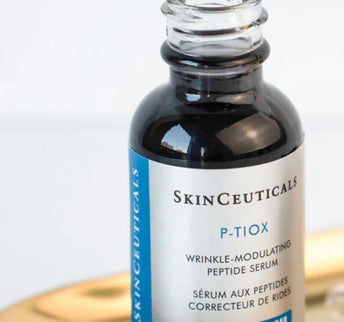
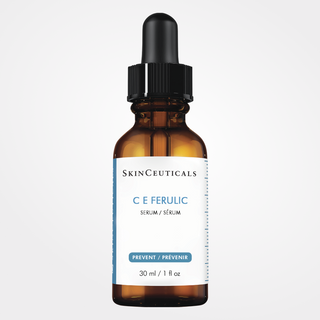
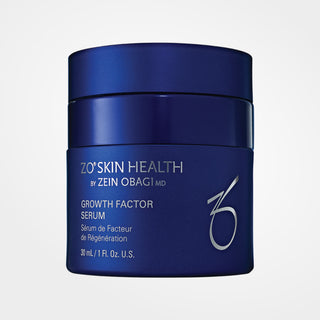
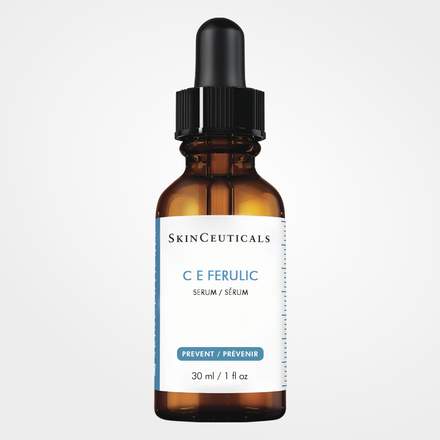
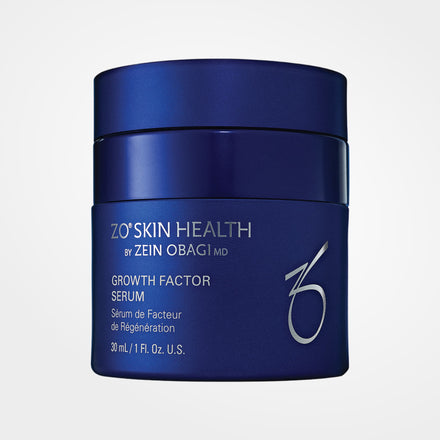
Serums represent the powerhouse of any sophisticated skincare routine, delivering concentrated active ingredients directly to your skin with remarkable precision. These lightweight formulations penetrate deeper than traditional moisturisers, addressing everything from fine lines and uneven texture to hyperpigmentation and dehydration.
When selecting a serum, understanding your unique skin concerns is paramount. The complete guide to dermatologist recommended skincare emphasises the importance of targeted treatments tailored to individual needs.
Common Serum Categories:
- Hydration serums
- Anti aging formulations
- Brightening treatments
- Clarifying solutions
- Antioxidant protection
Key Factors in Serum Selection:
- Identify your primary skin concerns
- Check ingredient compatibility
- Consider your skin type and sensitivity
- Look for scientifically backed active ingredients
- Start with lower concentrations and patch test
Apply serums after toning and before moisturising, using gentle patting motions to enhance absorption. Remember that a little goes a long way with these concentrated formulations. Consistency is key most serums require 4 to 6 weeks of regular use to demonstrate noticeable improvements in skin quality and appearance.
5. Moisturise with Products Suited to Your Skin
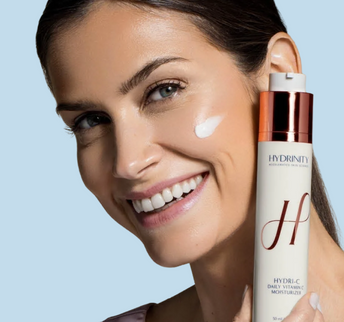
Moisturising is the critical shield that protects your skin from environmental stressors while maintaining optimal hydration and preventing premature aging. Your moisturiser does far more than simply adding water to your skin it creates a protective barrier that locks in nutrients and supports your skin’s natural recovery processes.
When exploring skincare techniques, the step by step facial care guide emphasises the importance of selecting a moisturiser that perfectly matches your unique skin profile.
Moisturiser Selection Criteria:
- Match product to your specific skin type
- Consider seasonal climate changes
- Look for ingredients targeting your skin concerns
- Check formulation weight and texture
- Evaluate additional protective properties
Moisturising Application Tips:
- Apply to slightly damp skin
- Use gentle upward motions
- Do not overload skin with product
- Layer lightweight to heavyweight formulations
- Include neck and décolletage areas
For optimal results, choose a moisturiser with ingredients that complement your skin type. Dry skin benefits from rich, emollient formulas while oily skin requires lightweight hydrators. Remember that your skin’s needs change with age, climate, and hormonal shifts, so remain flexible and attentive to your skin’s evolving requirements.
6. Always Apply Broad-Spectrum SPF in the Morning
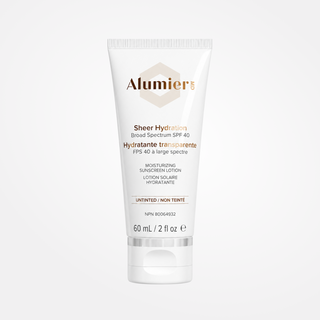
Sun protection is your skin’s most powerful defence against premature aging, photodamage, and potential skin cancer risks. Applying a broad spectrum sunscreen every morning is not just a recommendation it is an essential step in maintaining healthy, resilient skin regardless of weather conditions or indoor activities.
Health Canada’s rigorous guidelines underscore the critical importance of comprehensive UV protection, emphasising that daily sun defence matters more than occasional intense protection. By understanding how sunscreen works, you can transform your morning routine into a powerful skin health strategy.
Why Broad-Spectrum SPF Matters:
- Blocks both UVA and UVB radiation
- Prevents premature skin aging
- Reduces risk of skin cancer
- Protects against environmental damage
- Helps maintain even skin tone
SPF Application Best Practices:
- Apply generously 15 minutes before sun exposure
- Use minimum SPF 30 for daily protection
- Reapply every two hours if outdoors
- Cover all exposed skin areas
- Do not rely solely on makeup with SPF
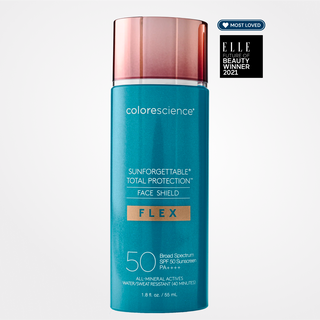
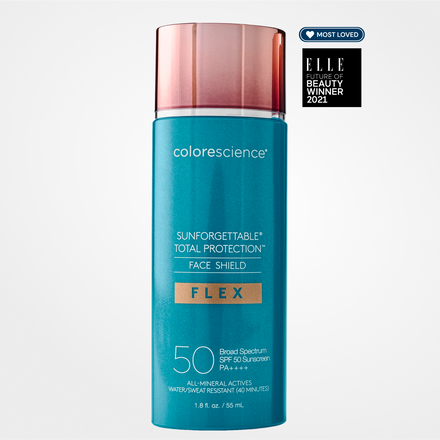
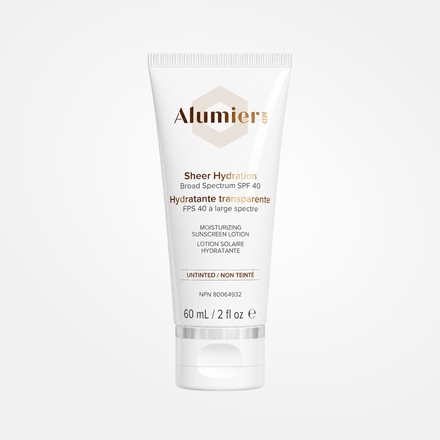
Remember that UV rays penetrate clouds, windows, and can reach your skin even on overcast days. Consistent protection is key to maintaining your skin’s long term health and preventing cumulative damage. For comprehensive protection tailored to canadian conditions, consider mineral based sunscreens that offer robust defence against our variable climate.
7. Incorporate Exfoliation into Your Weekly Routine
Exfoliation is the secret weapon for revealing brighter, smoother skin by removing dead skin cells that can make your complexion look dull and congested. By strategically incorporating exfoliation into your weekly routine, you can dramatically improve skin texture, unclog pores, and enhance the effectiveness of subsequent skincare products.
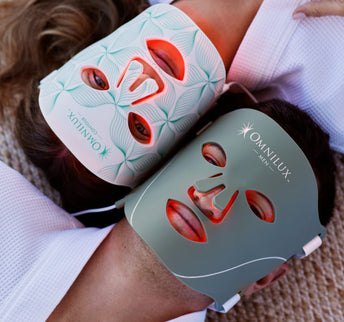
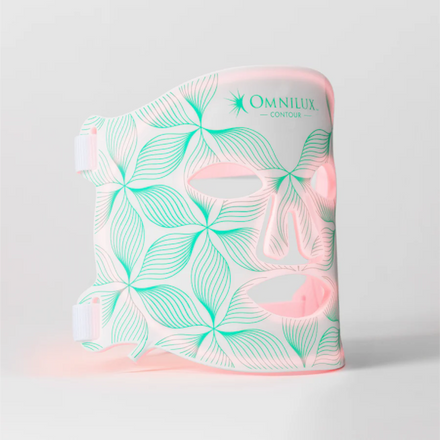
Explorers of skincare technologies might find interesting insights in our guide to skincare devices that can support gentle exfoliation techniques.
Exfoliation Types:
- Chemical exfoliants (AHA and BHA)
- Physical mechanical scrubs
- Enzymatic treatments
- Microdermabrasion techniques
- Professional grade peels
Frequency Guidelines:
- Normal skin: 1 to 2 times weekly
- Sensitive skin: Once weekly or biweekly
- Oily skin: Up to 3 times weekly
- Combination skin: Targeted approach
- Mature skin: Gentle weekly treatments
The key is understanding your skin’s unique needs and tolerance. Start with gentle products and gradually increase frequency. Always follow exfoliation with hydrating and protective products to maintain your skin barrier. Pay attention to how your skin responds and adjust your routine accordingly to prevent over exfoliation or irritation.
8. Evaluate and Adjust Your Routine Regularly
Skincare is not a static process but a dynamic journey that requires continuous observation, adaptation, and personalisation. Your skin constantly changes in response to factors like age, hormones, seasonal variations, stress levels, diet, and environmental conditions, making regular routine evaluation crucial for maintaining optimal skin health.
The 7 essential skincare tips for Canadians guide highlights the importance of being attentive to your skin’s evolving needs and responding proactively.
Signals Your Routine Needs Adjustment:
- Persistent skin irritation
- Unexpected breakouts
- Changes in skin texture
- Reduced product effectiveness
- Seasonal skin shifts
Recommended Evaluation Timeframes:
- Immediate: Address acute skin concerns
- Monthly: Track product performance
- Quarterly: Comprehensive routine review
- Annually: Professional skin assessment
Consider keeping a skincare journal to document changes, product reactions, and skin conditions. This practice helps you identify patterns, understand your skin’s unique characteristics, and make informed decisions about your skincare routine. Remember that what works perfectly today might need adjustment tomorrow, so stay curious, observant, and willing to experiment thoughtfully.
Below is a comprehensive table summarizing key skincare steps and strategies discussed in the article, focusing on identifying skin type and maintaining a balanced skincare routine.
| Step | Key Points & Actions | Benefits/Outcomes |
|---|---|---|
| Identify Your Skin Type | Observe characteristics like oil production, texture, and sensitivity. Use the Fitzpatrick Chart for assessment. | Select suitable products and treatments for optimal skin health. |
| Gentle Cleansing | Use a mild cleanser twice daily with lukewarm water. Avoid harsh scrubbing. | Removes impurities and balances skin without stripping natural oils. |
| Apply Toner | Choose alcohol free formulations. Apply after cleansing to restore pH. | Enhances product absorption and removes lingering impurities. |
| Use Targeted Serums | Select serums based on specific concerns (hydration, anti-aging). | Delivers concentrated ingredients for targeted skin improvements. |
| Moisturise | Match to skin type and consider environmental factors. Apply to damp skin. | Maintains hydration, creates protective barrier, prevents aging. |
| Broad-Spectrum SPF | Apply SPF 30+ daily. Reapply every two hours outdoors. | Protects against UV damage, prevents aging and skin cancer. |
| Regular Exfoliation | Choose suitable exfoliants (chemical, physical) based on skin type. | Removes dead cells, improves texture, and enhances product efficacy. |
| Evaluate Routine | Monitor skin changes and adjust products accordingly. | Maintains optimal skin condition and adapts to changing needs. |
Elevate Your Skincare Routine with Expert Solutions at WeDoSkin.ca
Embarking on the 8 essential steps for a skincare regimen checklist in Canada can feel overwhelming without the right products tailored to your skin type and concerns. Common challenges like finding a gentle cleanser that protects your skin barrier or locating effective broad spectrum SPF can stand in the way of achieving radiant, healthy skin. At WeDoSkin.ca, we understand the importance of personalised skincare routines that address your unique needs with medical grade products trusted by dermatologists.
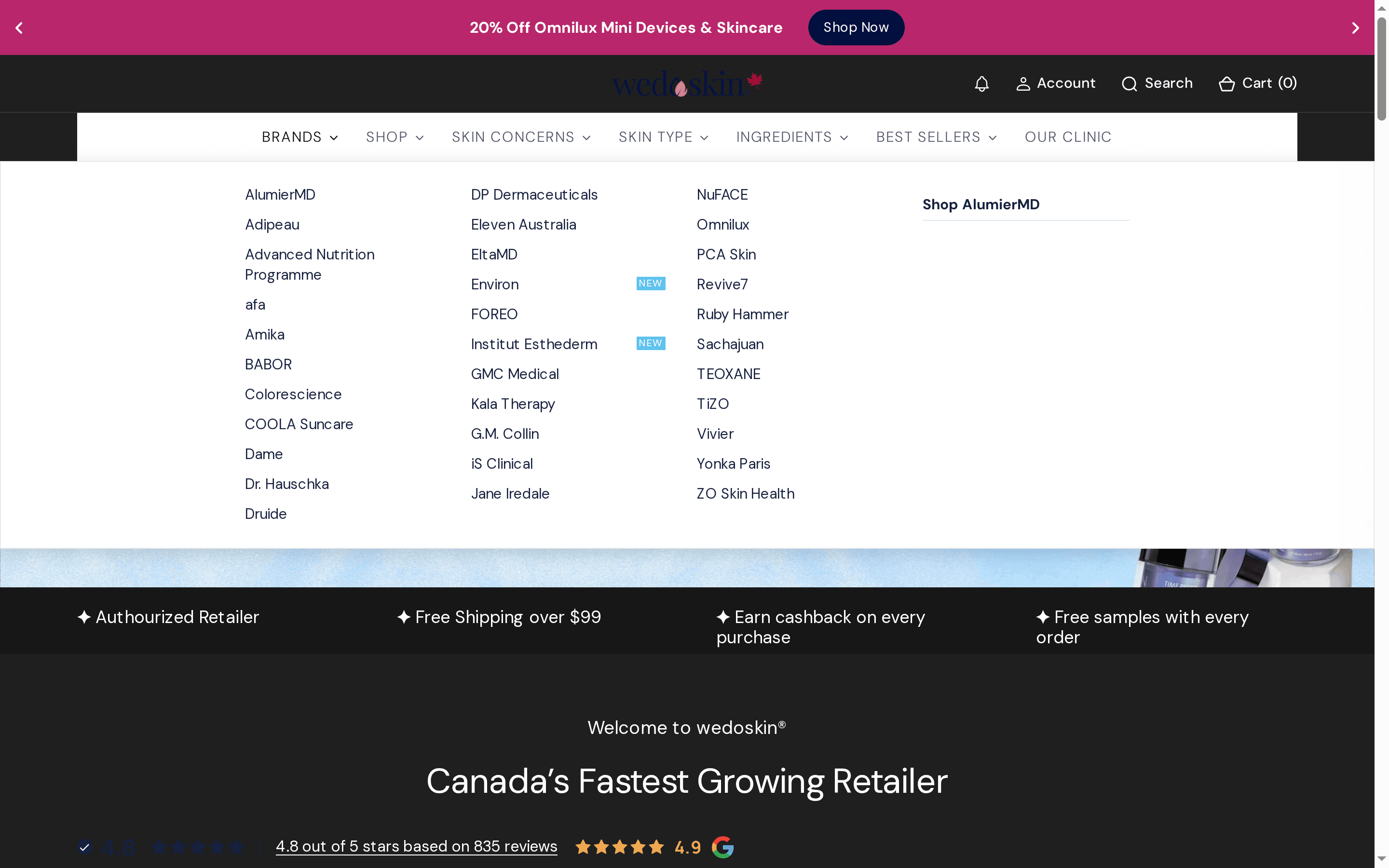
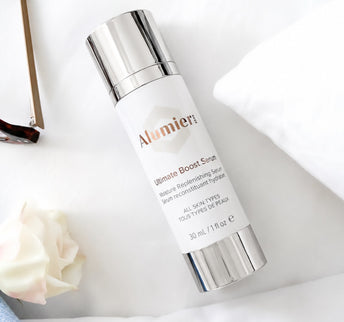
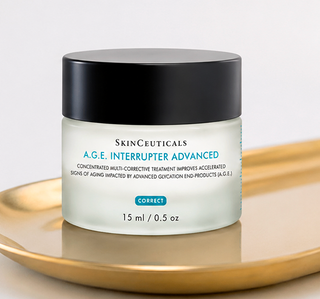
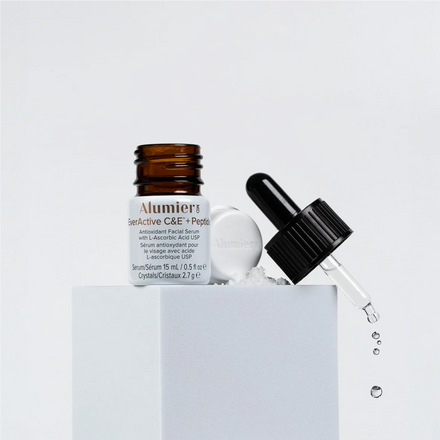
Discover our curated selection of premium brands like Vivier, ZO Skin, and AlumierMD that deliver proven results for every step—from balancing your skin pH with toners to incorporating targeted serums for visible improvements. Act now to access exclusive promotions and expert guidance designed to simplify your regimen and boost your confidence. Start transforming your skin today by exploring WeDoSkin.ca and unlock your best skin yet.
Frequently Asked Questions
What are the main steps in a skincare regimen checklist?
The main steps in a skincare regimen checklist include identifying your skin type, cleansing, toning, applying targeted serums, moisturising, using sunscreen, exfoliating, and regularly evaluating your routine. Follow each step in sequence for the best results and ensure your skincare products address your unique needs.
How can I determine my skin type effectively?
To determine your skin type, assess your skin’s texture, moisture levels, oil production, and sensitivity to environmental factors throughout the day. You can also consult a skincare professional for a detailed analysis using diagnostic techniques to confirm your observations.
How often should I exfoliate my skin?
You should exfoliate your skin 1 to 2 times a week for normal skin, while oily skin can handle up to 3 times weekly. Adjust the frequency based on your skin’s tolerance and response to avoid irritation.
When should I apply sunscreen in my skincare routine?
Apply sunscreen every morning as the final step of your skincare routine, 15 minutes before sun exposure, to protect against harmful UV rays. Ensure you’re using a broad-spectrum SPF of at least 30 to maintain healthy skin.
How can I evaluate if my skincare routine is working?
Evaluate your skincare routine regularly by looking for changes like persistent irritation, unexpected breakouts, or shifts in skin texture. Perform these assessments monthly or quarterly to ensure your regimen continues to meet your skin’s evolving needs.
What should I do if my skin reacts negatively to a product?
If your skin reacts negatively to a product, stop using it immediately and monitor your skin’s response. Consider patch testing new products before full application to avoid further irritation or reactions.
Recommended
- Morning Skincare Routine Steps for Glowing Skin Results
- Step by Step Facial Care for Glowing, Healthy Skin
- 7 Essential Skincare Tips for Canadians Seeking Healthier Skin
- Complete Guide to Dermatologist Recommended Skincare
- 7 Essential Steps for Your Health Inspection Checklist - Probe IT
