





More than 80 percent of visible facial aging can be traced to external factors, not just genetics. For many Canadian adults, understanding what really causes skin to age leads to smarter skincare choices. This guide cuts through common myths to explain the real science behind skin aging and highlights steps that make a visible difference, so you can recognize which strategies actually work for Canadian skin.
Table of Contents
- Defining Skin Aging And Common Misconceptions
- Key Causes: Intrinsic Versus Extrinsic Aging
- Visible Signs Of Skin Aging In Adults
- Top Skincare Solutions And Preventive Measures
- Mistakes To Avoid With Anti-Aging Products
Key Takeaways
| Point | Details |
|---|---|
| Understanding Skin Aging | Skin aging is influenced by both intrinsic (genetic) and extrinsic (environmental) factors, highlighting the importance of proactive skincare strategies. |
| Major Causes of Extrinsic Aging | Key external contributors to skin aging include UV radiation, pollution, and lifestyle choices, which can significantly accelerate visible aging. |
| Visible Signs of Aging | Early signs of skin aging typically manifest around the eyes and mouth, with fine lines, reduced elasticity, and uneven skin tone serving as indicators. |
| Skincare Strategy Essentials | A multifaceted approach combining topical treatments, healthy nutrition, and consistent lifestyle habits is crucial for effective skin aging prevention. |
Defining Skin Aging and Common Misconceptions
Skin aging represents a nuanced biological process far more complex than simply growing older. Rather than a uniform progression, skin aging emerges through intricate interactions between our genetic blueprint and environmental exposures. Skin aging fundamentally describes the gradual transformation of skin’s structural and functional characteristics over time, influenced by both internal physiological mechanisms and external environmental stressors.
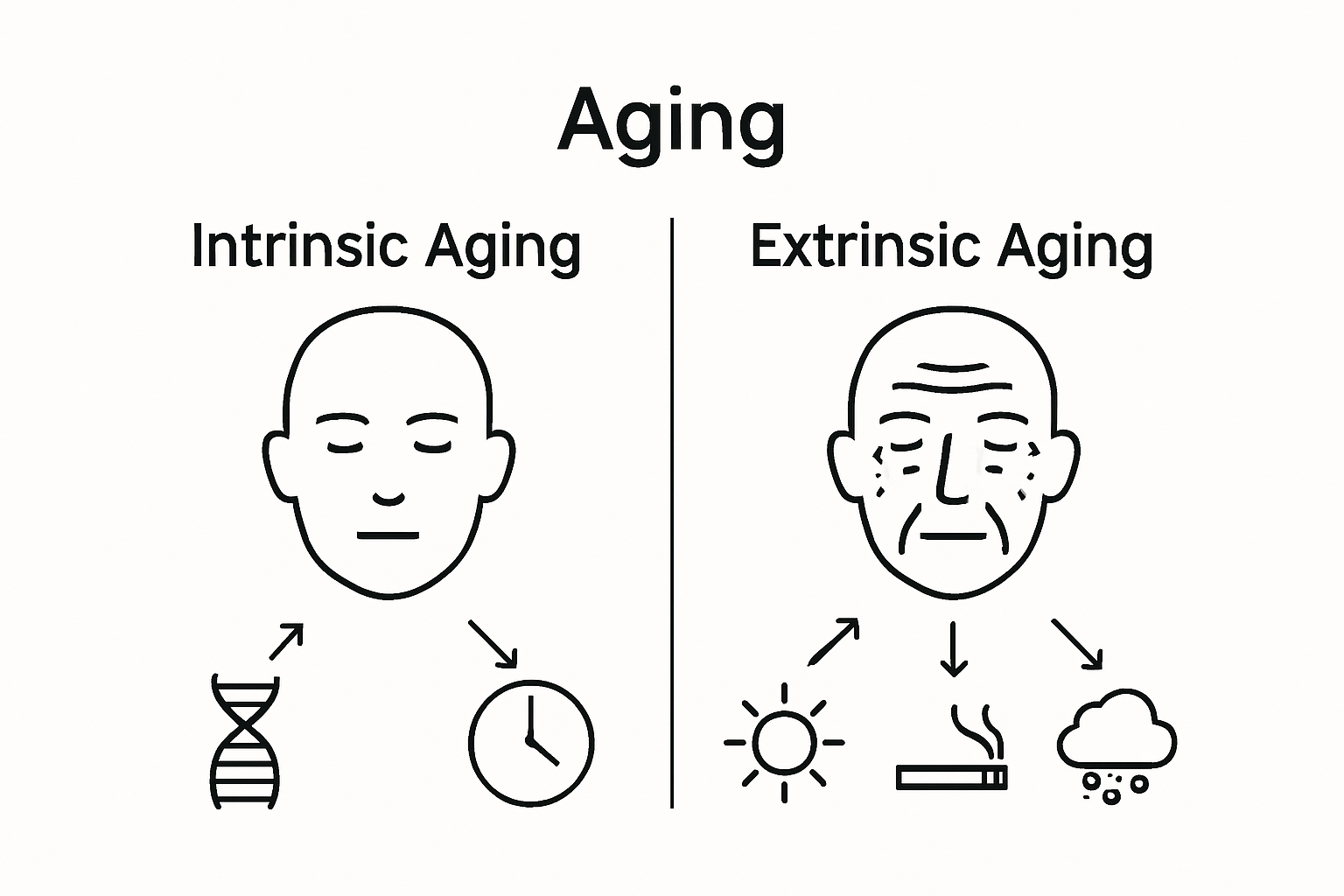
Two primary categories define skin aging: intrinsic aging and extrinsic aging. Intrinsic aging stems from genetic programming and hormonal shifts occurring naturally inside the body. These internal factors trigger predictable cellular changes like reduced collagen production, decreased cellular regeneration, and diminished moisture retention. Conversely, extrinsic aging results from external influences such as ultraviolet radiation, environmental pollution, lifestyle choices, and chronic stress. Critically, professional skincare guidance can help mitigate these external aging accelerators.
Contrary to popular belief, skin aging is not a uniform or entirely predetermined process. Many individuals mistakenly assume aging signs are inevitable and identical for everyone. Research reveals significant variations in skin aging based on individual genetic predispositions and cumulative environmental exposures. Some common misconceptions include:
- Believing all wrinkles are exclusively time-related
- Assuming genetic factors completely dictate skin aging
- Underestimating the profound impact of lifestyle and environmental factors
- Thinking expensive products automatically prevent aging
Understanding skin aging requires recognizing its multifaceted nature. While we cannot completely halt the aging process, strategic interventions through targeted skincare, sun protection, healthy nutrition, and lifestyle modifications can significantly influence how our skin ages. The key lies in proactive, informed approaches that address both intrinsic and extrinsic aging factors.
Key Causes: Intrinsic Versus Extrinsic Aging
Intrinsic aging and extrinsic aging represent two distinct but interconnected pathways through which our skin transforms over time. Understanding these mechanisms provides crucial insights into how and why our skin changes, enabling more targeted approaches to skin health and preservation. While both processes contribute to visible aging signs, they originate from fundamentally different sources and manifest through unique cellular mechanisms.
Intrinsic aging emerges from internal biological processes controlled by our genetic programming. This natural progression involves predictable cellular changes that occur irrespective of external influences. Key characteristics include gradual reductions in collagen and elastin production, decreased cellular turnover rates, and diminishing natural hydration mechanisms. Hormonal shifts, particularly during transitions like menopause, significantly accelerate these intrinsic aging markers. Non-invasive skincare approaches can help mitigate some of these inherent aging processes by supporting cellular regeneration and maintaining skin resilience.
Extrinsic aging, conversely, stems directly from environmental and lifestyle exposures. The primary culprits driving extrinsic skin aging include:
- Ultraviolet radiation from sun exposure
- Environmental pollution
- Chronic stress
- Smoking
- Poor nutrition
- Inadequate sleep
- Alcohol consumption
These external factors accelerate skin degradation through mechanisms like oxidative stress, visible redness, and direct cellular damage. Ultraviolet radiation stands out as the most significant contributor, capable of generating free radicals that compromise skin’s structural integrity and accelerate visible aging signs. Research indicates that up to 80% of visible facial aging can be attributed to cumulative sun exposure, underscoring the critical importance of consistent sun protection.
Recognizing the distinction between intrinsic and extrinsic aging empowers individuals to develop more nuanced skincare strategies. While we cannot halt genetic aging processes entirely, we can substantially mitigate extrinsic aging through proactive lifestyle choices. Implementing comprehensive sun protection, maintaining a nutrient-rich diet, managing stress, and adopting a consistent skincare routine can dramatically influence how our skin ages, helping preserve its health, resilience, and youthful appearance.
Visible Signs of Skin Aging in Adults
Skin aging manifests through a complex array of visible transformations that extend far beyond simple wrinkle formation. These changes represent intricate biological signals revealing the ongoing metabolic processes occurring beneath the skin’s surface. Understanding these signs requires recognizing the nuanced ways our skin communicates its changing structural and functional capabilities.
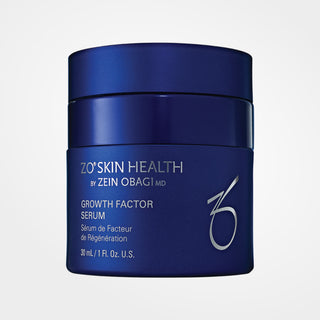
The earliest visible signs of skin aging typically emerge around the eyes and mouth, areas with thinner, more delicate skin that demonstrates increased vulnerability to environmental stressors. Fine lines initially appear as subtle, shallow impressions, gradually deepening into more pronounced wrinkles. Growth factors in skincare can help mitigate these early aging indicators by supporting cellular regeneration and maintaining skin resilience. Key visual markers include:
- Reduced skin elasticity and firmness
- Emergence of fine lines around eyes and mouth
- Uneven skin tone and texture
- Increased dryness and roughness
- Visible pigmentation changes
- Slower wound recovery
- Thinner, more translucent skin appearance
Intrinsic and extrinsic aging produce distinctly different visual presentations. Intrinsically aged skin appears smoother and more uniformly pale, with fine, delicate wrinkles. Conversely, extrinsically aged skin displays more dramatic changes: deep, coarse wrinkles, pronounced pigmentation irregularities, and a significantly roughened texture. Sun exposure remains the most aggressive external factor, capable of accelerating visible aging signs through cumulative damage to skin’s structural proteins and cellular mechanisms.
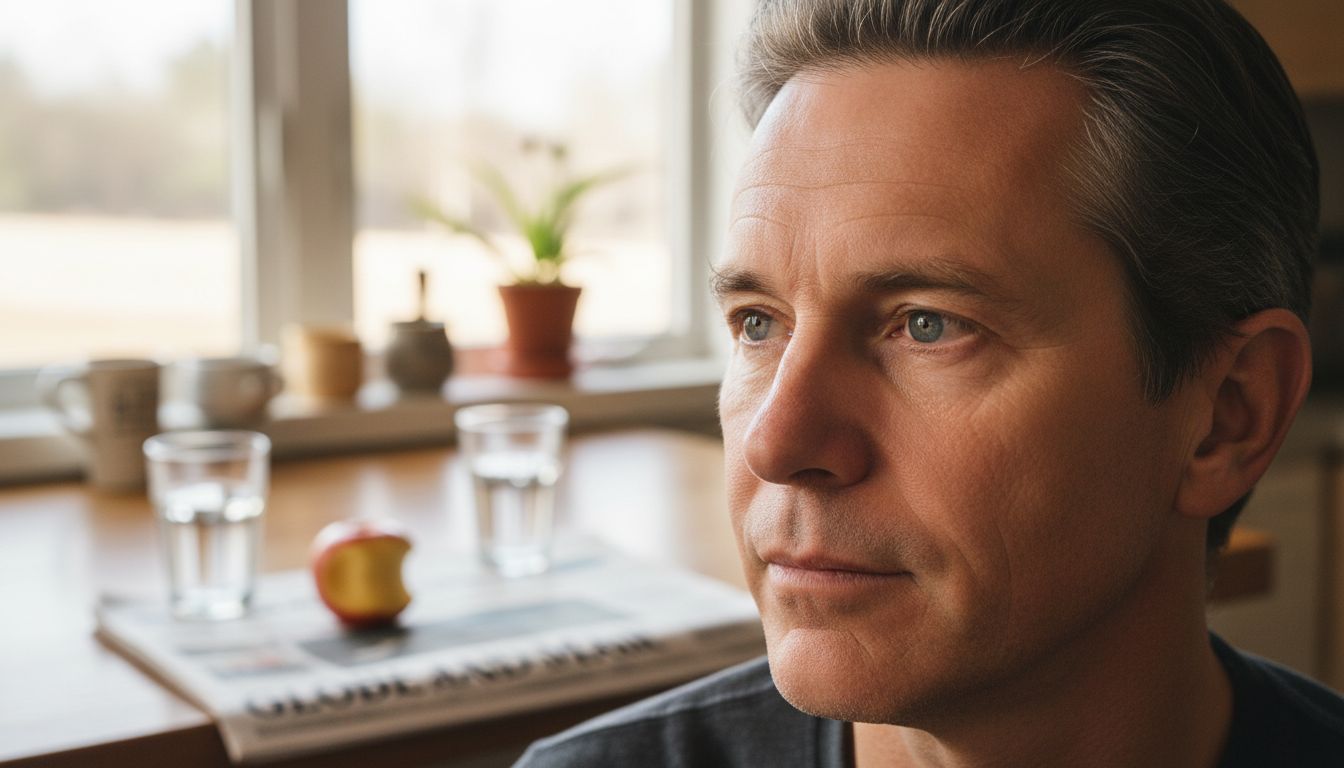
Recognizing these signs empowers individuals to develop proactive skincare strategies. While aging is an inevitable biological process, understanding its visual progression allows for targeted interventions. Consistent sun protection, maintaining hydration, supporting cellular health, and adopting comprehensive skincare routines can substantially slow visible aging manifestations, helping preserve skin’s natural vitality and appearance.
Top Skincare Solutions and Preventive Measures
Skincare solutions represent a multifaceted approach to combating the complex process of skin aging. Effective strategies extend beyond topical treatments, encompassing holistic lifestyle modifications that support skin health from multiple physiological angles. Understanding these interventions requires a comprehensive view of how different approaches can synergistically protect and rejuvenate skin.
Topical treatments form the cornerstone of preventive skincare. Antioxidant-rich formulations play a critical role in neutralizing free radical damage and supporting cellular repair mechanisms. Dermatologist recommended skincare emphasizes the importance of targeted ingredients like retinoids, vitamin C, and peptides that directly address aging-related cellular changes. Key preventive topical strategies include:
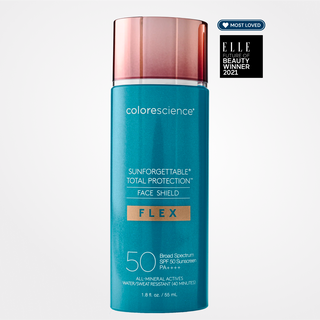
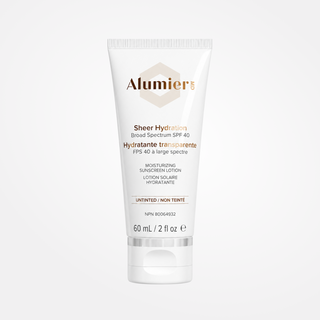
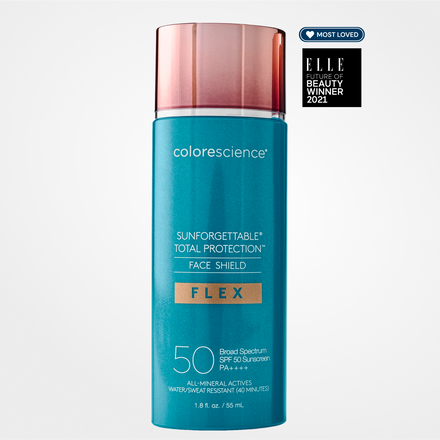
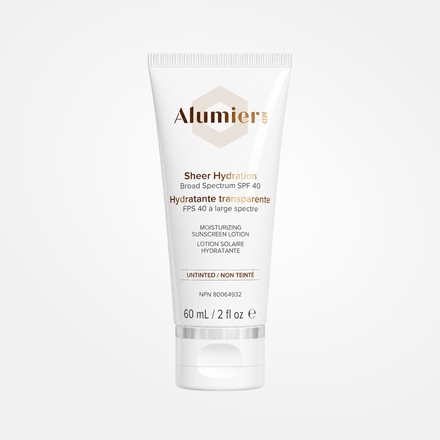
- Daily broad-spectrum sunscreen application
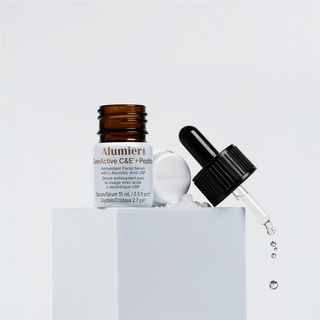
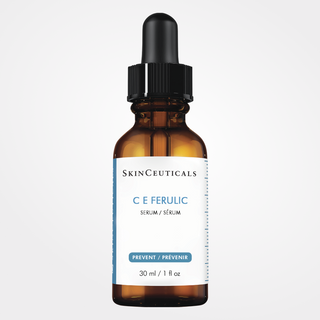
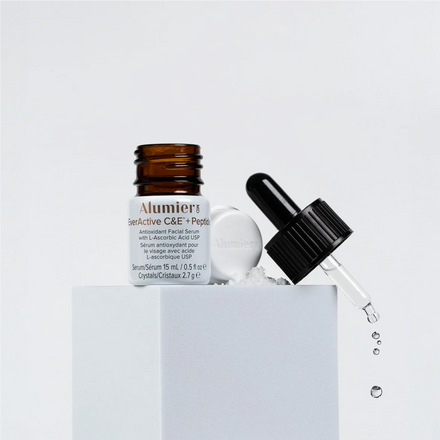
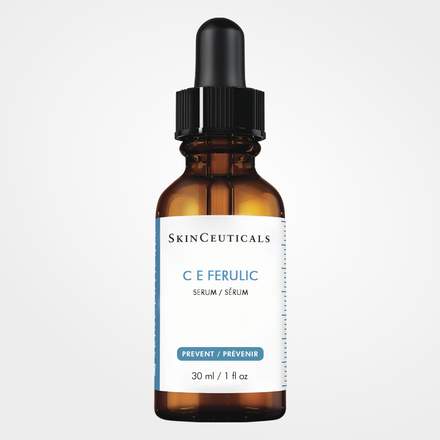
- Consistent use of vitamin C and E serums
- Retinoid-based night treatments
- Hyaluronic acid for deep hydration
- Peptide-enriched moisturizers
- Ceramide-based barrier repair products
- Antioxidant-infused protective formulations
Lifestyle interventions complement topical treatments by addressing aging from within. Nutrition plays a pivotal role, with research highlighting the importance of antioxidant-rich diets, adequate hydration, and regular exercise. Reducing inflammatory triggers like processed foods, managing stress through mindfulness practices, and ensuring consistent sleep patterns can significantly mitigate skin aging processes. The skin reflects internal health, making holistic approaches far more effective than isolated interventions.
Ultimately, preventing skin aging requires a proactive, multidimensional strategy. No single solution offers a complete fix, but a combination of targeted skincare, protective measures, nutritional support, and lifestyle modifications can substantially slow visible aging signs. Consistency is key – implementing these approaches early and maintaining them over time provides the most meaningful long-term results in preserving skin’s health, resilience, and youthful appearance.
Mistakes to Avoid With Anti-Aging Products
Navigating the world of anti-aging skincare requires more than simply purchasing expensive products. Common mistakes can significantly undermine the effectiveness of even the most sophisticated skincare regimens, rendering potentially beneficial treatments ineffective or counterproductive. Understanding these pitfalls is crucial for developing a truly strategic approach to skin health and aging prevention.
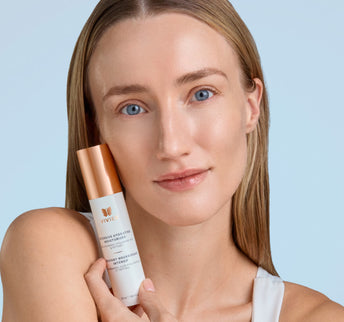
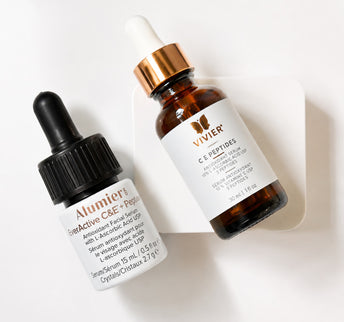
One of the most prevalent errors is inconsistent product application. Many individuals purchase high-end anti-aging products but fail to use them consistently or correctly. Vivier Anti-Aging Program highlights the importance of systematic, disciplined skincare routines. Key mistakes people frequently make include:
- Applying products in the wrong order
- Skipping daily sunscreen protection
- Using incompatible skincare ingredients simultaneously
- Neglecting patch testing new products
- Expecting instant results from anti-aging treatments
- Overloading skin with too many active ingredients
- Ignoring individual skin sensitivity and unique needs
Ingredient mismanagement represents another significant challenge in anti-aging skincare. Combining potent active ingredients without understanding their interactions can lead to skin irritation, reduced efficacy, and potential long-term damage. Retinoids, vitamin C, and exfoliating acids require careful strategic application. For instance, certain ingredients work synergistically when applied correctly, while others can neutralize each other’s benefits or cause excessive skin sensitivity.
Ultimately, successful anti-aging skincare demands a holistic, personalized approach. No universal solution exists that works identically for everyone. Skin is a complex, dynamic organ responding to individual genetic factors, lifestyle, environment, and hormonal changes. Consulting skincare professionals, understanding your unique skin profile, and maintaining realistic expectations are fundamental to developing an effective anti-aging strategy that genuinely supports long-term skin health and resilience.
Take Control of Skin Aging With Expert Solutions
Understanding the causes and signs of skin aging is the first step toward preserving your natural beauty and confidence. This article breaks down complex concepts like intrinsic and extrinsic aging, highlighting common misconceptions and real-life challenges such as wrinkles, loss of elasticity, and uneven skin tone. If you want to slow down these visible changes and nurture your skin’s resilience, the right medical grade skincare can make all the difference.

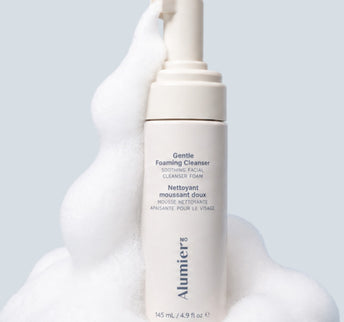
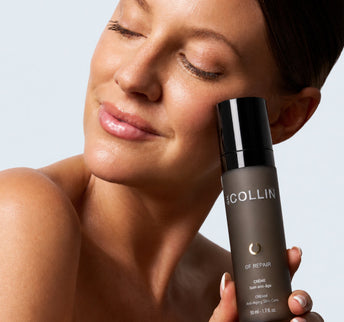
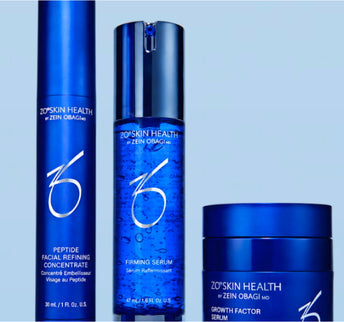
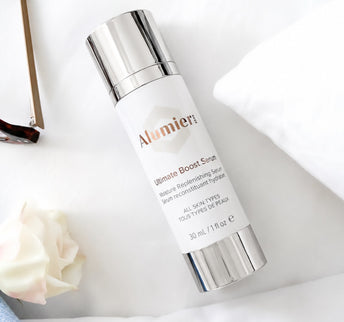
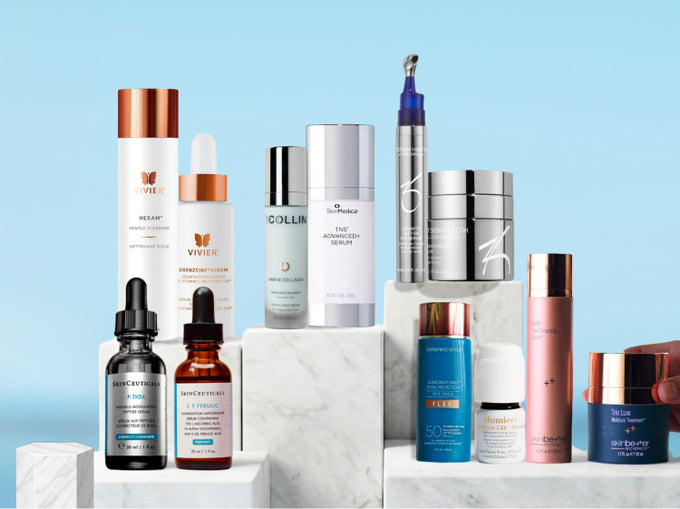
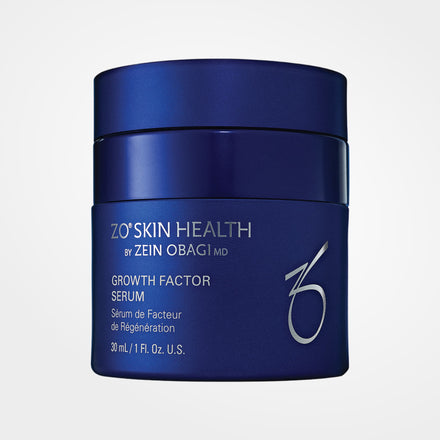
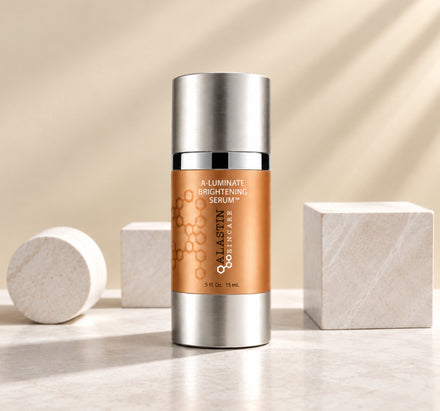
Explore premium brands like ZO Skin, Vivier, and AlumierMD available on wedoskin.ca designed to combat aging at every level. From antioxidant serums and retinoids to advanced hydration and sun protection, our curated skincare solutions target both intrinsic and extrinsic aging factors. Take advantage of exclusive offers and gift guides to start your journey now and experience the confidence that comes with healthier, youthful skin. Visit wedoskin.ca to shop with ease and join countless others who have transformed their skin care routine.
Frequently Asked Questions
What are the main causes of skin aging?
Skin aging is primarily caused by two factors: intrinsic aging, which is influenced by genetic programming and hormonal changes, and extrinsic aging, which arises from environmental factors such as UV radiation, pollution, lifestyle choices, and stress.
What are the visible signs of aging skin?
Visible signs of skin aging include fine lines, reduced elasticity, uneven skin tone, increased dryness, visible pigmentation changes, slower wound recovery, and thinner skin. These changes often first appear around the eyes and mouth.
How can I prevent or slow down skin aging?
To slow down skin aging, incorporate sun protection as a daily habit, use antioxidant-rich skincare products, maintain a balanced diet, stay hydrated, manage stress, and ensure adequate sleep. Consistent skincare routines are essential for long-term skin health.
What mistakes should I avoid when using anti-aging products?
Common mistakes include inconsistent product use, applying products in the wrong order, neglecting sunscreen, and using incompatible ingredients together. It’s also important to manage expectations and understand that results take time to appear.
Recommended
- Growth Factors in Skincare: Complete Canadian Guide
- Morning Skincare Routine Steps for Glowing Skin Results
- Step by Step Facial Care for Glowing, Healthy Skin
- What Is Non-Invasive Skincare? Complete Overview
- Kollagen vs. Elastin: Die Bausteine der Jugend und wie man sie unterstützt. – 2025 Vergleich