







Over 60 percent of Canadian consumers now prefer mineral sunscreens for everyday sun protection. This shift reflects a growing awareness of the immediate, broad-spectrum defense offered by natural mineral ingredients like zinc oxide. Choosing the right sunscreen no longer means choosing between safety, skin comfort, and environmental responsibility. Uncover what makes mineral sunscreens unique and why so many Canadians are switching to these advanced formulas for both sensitive skin and eco-conscious routines.
Table of Contents
- What Makes Mineral Sunscreen Unique
- Mineral Versus Chemical Sunscreens Explained
- Key Benefits For Sensitive And Reactive Skin
- Environmental Impact And Reef Safety
- Common Mistakes When Using Mineral Sunscreens
Key Takeaways
| Point | Details |
|---|---|
| Unique Protection Mechanism | Mineral sunscreens create an immediate physical barrier on the skin, reflecting UV rays without needing to be absorbed. |
| Suitability for Sensitive Skin | These sunscreens are gentler and less likely to cause irritation, ideal for individuals with reactive skin conditions. |
| Environmental Benefits | Mineral sunscreens are more eco-friendly, free from harmful chemicals that can damage marine ecosystems. |
| Application Techniques Matter | Proper application is crucial; use generous amounts and reapply regularly for optimal protection. |
What Makes Mineral Sunscreen Unique
Mineral sunscreens represent a powerful advancement in protective skincare, offering a fundamentally different approach to sun defence compared to chemical alternatives. By leveraging natural mineral compounds like zinc oxide and titanium dioxide, these sunscreens create an innovative physical barrier directly on the skin’s surface that immediately reflects and scatters harmful ultraviolet rays.
The unique mechanism of mineral sunscreens sets them apart from traditional chemical formulations. Unlike chemical sunscreens that absorb into the skin and convert UV radiation, mineral options work through physical sun protection technologies by creating a protective shield. This means protection begins the moment you apply the product, with no waiting period required before sun exposure.
Key characteristics that distinguish mineral sunscreens include:
- Instant UV protection upon application
- Broad-spectrum defence against both UVA and UVB rays
- Naturally occurring active ingredients
- Lower potential for skin irritation
- Suitable for sensitive skin types
Moreover, mineral sunscreens offer exceptional environmental compatibility. Their natural mineral ingredients are less likely to cause negative ecological impacts, making them an increasingly preferred choice for environmentally conscious consumers seeking safer, more sustainable skincare solutions.
Mineral Versus Chemical Sunscreens Explained
Sunscreen technologies have evolved significantly, presenting consumers with two primary protection strategies: mineral and chemical formulations. While both aim to shield skin from harmful ultraviolet radiation, their underlying mechanisms and performance characteristics differ substantially. Mineral sunscreens and chemical sunscreens each offer unique approaches to protecting your skin from sun damage.

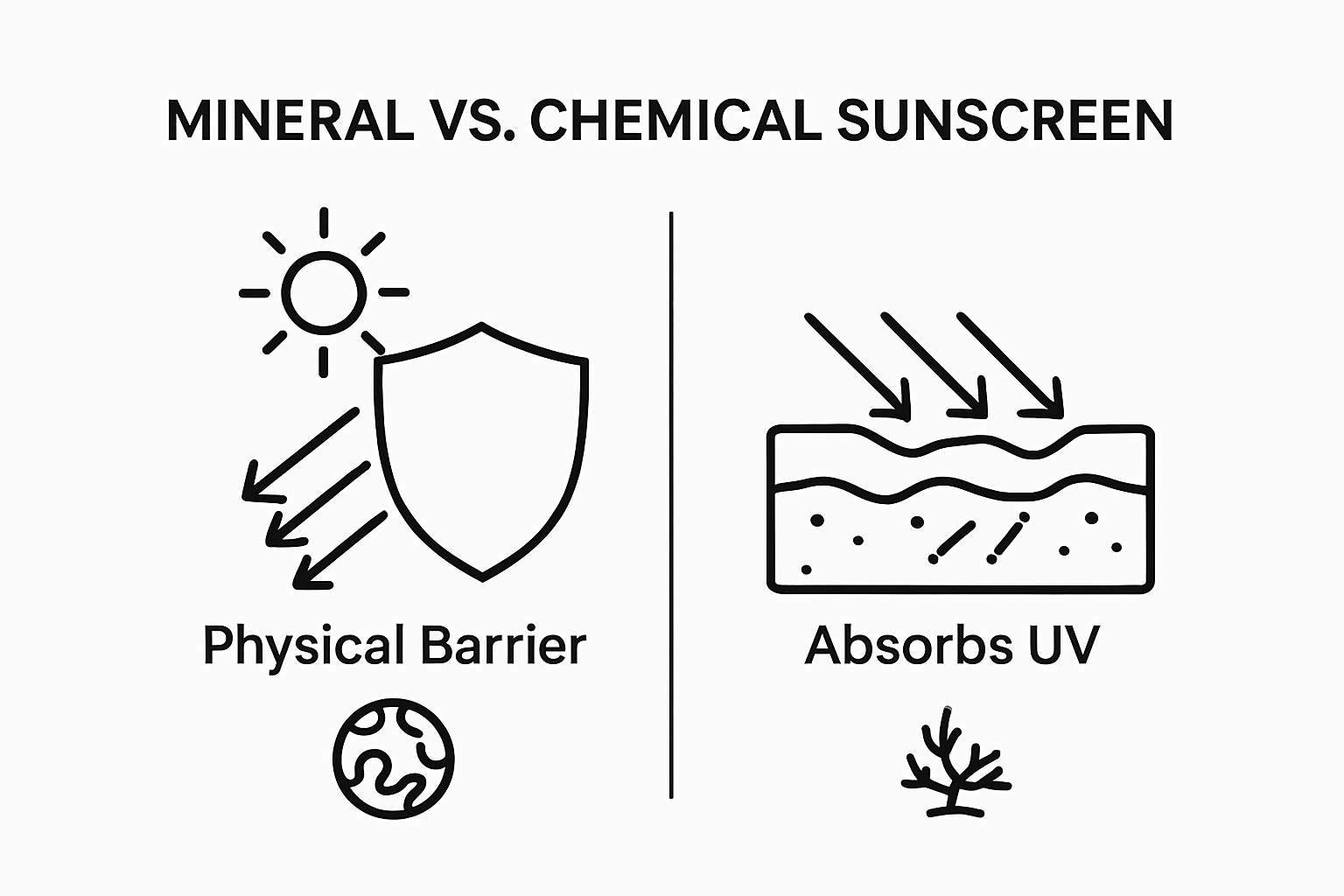
The fundamental distinction lies in how these sunscreens interact with ultraviolet rays. Mineral sunscreens, containing zinc oxide and titanium dioxide, work as a physical barrier that reflects and scatters UV radiation upon contact with the skin. Comprehensive sun protection research demonstrates that these inorganic compounds create an immediate protective shield, blocking rays before they penetrate the skin’s surface.
Key comparative aspects between mineral and chemical sunscreens include:
-
Application Method
- Mineral: Sits on skin surface
- Chemical: Absorbs into skin layers
-
Protection Mechanism
- Mineral: Reflects and scatters UV rays
- Chemical: Absorbs and converts UV radiation
-
Skin Sensitivity
- Mineral: Generally gentler, less likely to cause irritation
- Chemical: Higher potential for skin reactions
Chemical sunscreens, utilizing organic compounds like avobenzone and octinoxate, work differently by absorbing ultraviolet radiation and transforming it into heat. This approach requires the product to be applied approximately 15-20 minutes before sun exposure to become fully effective, unlike mineral sunscreens which provide immediate protection. Ultimately, the choice between mineral and chemical sunscreens depends on individual skin type, sensitivity, and personal preference.
Key Benefits for Sensitive and Reactive Skin
For individuals with sensitive or reactive skin, finding the right sun protection can feel like navigating a minefield of potential irritants. Mineral sunscreens emerge as a game-changing solution, offering a gentler approach to UV protection that minimizes the risk of adverse skin reactions. Unlike chemical alternatives, these sunscreens work with your skin’s natural defences, providing comprehensive protection without compromising skin health.
The primary advantage of mineral sunscreens for sensitive skin lies in their unique formulation and application method. Careful skincare routines become significantly easier when using mineral-based products that sit on the skin’s surface rather than absorbing into deeper layers. This external protection mechanism dramatically reduces the potential for irritation, making them an ideal choice for those prone to allergic reactions, redness-prone skin, very dry, easily irritated skin, or general skin sensitivity.
Key benefits for sensitive and reactive skin include:
-
Minimal Irritation
- No chemical absorption into skin layers
- Reduced risk of allergic reactions
- Suitable for most skin types
-
Immediate Protection
- Starts working instantly upon application
- No waiting period required
-
Natural Ingredient Profile
- Typically contains fewer synthetic chemicals
- Uses naturally occurring mineral compounds
Moreover, mineral sunscreens offer additional protective qualities that make them particularly beneficial for sensitive skin. The physical barrier created by zinc oxide and titanium dioxide not only blocks harmful UV rays but also provides a soothing effect, helping to calm and protect reactive skin types. This makes mineral sunscreens an exceptional choice for those seeking comprehensive sun protection without compromising their skin’s delicate balance.
Environmental Impact and Reef Safety
In an era of increasing environmental consciousness, the ecological footprint of personal care products has become a critical consideration for conscientious consumers. Mineral sunscreens stand out as an environmentally responsible choice, offering protection not just for your skin but for marine ecosystems as well. The stark difference in environmental impact between mineral and chemical sunscreens has positioned mineral options as a more sustainable sun protection strategy.
Traditional chemical sunscreens have come under significant scrutiny for their potential harm to marine environments, particularly coral reefs. Certain chemical compounds like oxybenzone and octinoxate have been directly linked to coral bleaching, a devastating process that can destroy entire reef ecosystems. Sustainable skincare practices increasingly emphasize the importance of choosing products that minimise environmental damage.
Key environmental advantages of mineral sunscreens include:
-
Reef-Safe Formulation
- Does not contain harmful chemical compounds
- Minimises marine ecosystem disruption
- Biodegradable mineral ingredients
-
Reduced Chemical Pollution
- No toxic chemical runoff
- Lower environmental contamination risk
-
Sustainable Protection
- Natural mineral-based ingredients
- Lower carbon footprint in production
Moreover, many regions and marine conservation areas have begun implementing restrictions on chemical sunscreens, recognizing the critical need to protect delicate marine habitats. Mineral sunscreens offer an eco-friendly alternative that allows individuals to enjoy sun protection without compromising environmental integrity, making them an increasingly preferred choice for environmentally aware consumers seeking responsible skincare solutions.
Common Mistakes When Using Mineral Sunscreens
Many skincare enthusiasts accidentally undermine the effectiveness of mineral sunscreens through seemingly minor application errors that can significantly compromise their protective capabilities. Understanding these common pitfalls is crucial for ensuring maximum sun protection and maintaining healthy skin throughout various environmental conditions.
One of the most frequent mistakes is inadequate product application. Comprehensive skincare routines emphasize the importance of generous and thorough sunscreen coverage. Mineral sunscreens require a more deliberate application technique compared to chemical alternatives, often needing a slightly thicker layer to create an effective protective barrier against ultraviolet radiation.
Key mistakes to avoid include:
-
Insufficient Quantity
- Applying too little product
- Leaving skin partially unprotected
- Recommended: 1/4 teaspoon for face, more for body
-
Inconsistent Reapplication
- Forgetting to reapply every two hours
- Not refreshing after swimming or sweating
- Reduced protection with prolonged sun exposure
-
Improper Blending
- Not massaging product completely
- Leaving visible white cast on skin
- Can result in uneven protection
Additionally, many users fail to recognize that mineral sunscreens require specific techniques for optimal application. The white cast characteristic of zinc oxide and titanium dioxide demands careful blending and potentially layering with other skincare products. Understanding these nuanced application methods can transform mineral sunscreen from a potentially chalky experience to a smooth, effective sun protection strategy.
Discover Safer Skincare with Mineral Sunscreens at WeDoSkin.ca
Sensitive or reactive skin demands gentle yet effective sun protection. This article highlights the unique benefits of mineral sunscreens that provide instant UV defence without irritation or chemical absorption. If your goal is to safeguard your skin with natural mineral ingredients like zinc oxide and titanium dioxide while avoiding harsh chemicals, it is essential to choose trusted products designed for sensitive skin.

Explore our carefully curated selection of premium mineral sunscreens and skincare solutions at WeDoSkin.ca. Our range features medical grade, reef-safe options that deliver broad-spectrum protection along with soothing benefits. Take advantage of exclusive promotions and loyalty perks to enhance your daily routine. Visit WeDoSkin.ca now to experience safer skincare that respects both your skin and the environment.
Frequently Asked Questions
What are the main differences between mineral and chemical sunscreens?
Mineral sunscreens use natural minerals like zinc oxide and titanium dioxide to create a physical barrier on the skin, reflecting UV rays. In contrast, chemical sunscreens absorb UV radiation and convert it to heat. This difference means mineral sunscreens provide immediate protection upon application, while chemical sunscreens require time to become effective.
Are mineral sunscreens safe for sensitive skin?
Yes, mineral sunscreens are generally safer for sensitive skin types. They are less likely to cause irritation because they do not absorb into the skin and often contain fewer synthetic ingredients, making them suitable for those prone to allergic reactions or skin conditions like redness-prone skin or very dry, easily irritated skin.
How should I apply mineral sunscreen for best results?
For optimal protection, apply a generous amount of mineral sunscreen – about a quarter teaspoon for your face and more for your body. Ensure even coverage, and don’t forget to reapply every two hours, especially after swimming or sweating.
Are mineral sunscreens better for the environment?
Yes, mineral sunscreens are often considered more environmentally friendly compared to chemical options. They do not contain harmful compounds like oxybenzone and octinoxate, which are known to harm marine ecosystems, particularly coral reefs, making mineral options a safer choice for both your skin and the environment.
Recommended
- The Science Behind Mineral Tinted Sun Protection
- Colorescience Sunforgettable® Total Protection™ Brush-On Shield SPF 50
- News
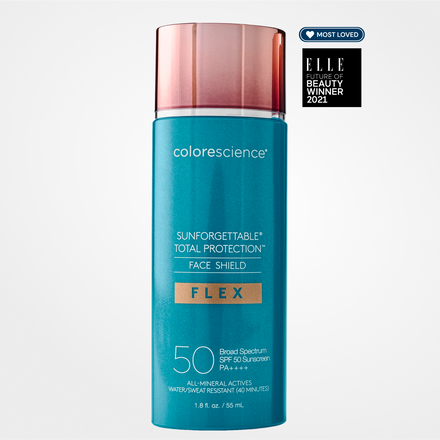
- Colorescience Sunforgettable Total Protection Face Shield Flex SPF 50
- Organic Hair Conditioner: Everything You Need to Know | MyHair
