




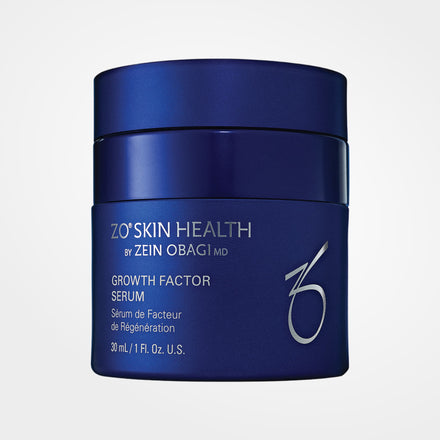
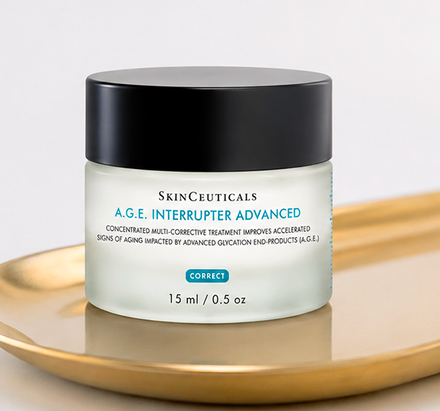


Over 60 percent of canadian adults use skincare treatments to enhance their complexion and address unique concerns. Choosing the best facial masks can feel confusing with so many options promising dramatic results. Understanding the key differences in mask types and how they interact with your skin can make your routine more effective. This guide breaks down essential concepts, simple tips, and science-backed benefits to help you select the right mask for your personal needs.
Table of Contents
- What Are Facial Masks? Key Concepts
- Popular Types of Facial Masks Explained
- Main Benefits For Skin Health And Beauty
- How To Choose The Right Facial Mask
- Best Practices And Common Mistakes To Avoid
Key Takeaways
| Point | Details |
|---|---|
| Facial masks deliver targeted benefits | They enhance basic skincare routines by providing intense nourishment, hydration, and support for specific skin concerns like acne and ageing. |
| Understanding skin type is essential | Choosing the right mask requires knowledge of individual skin needs, including hydration levels and sensitivity. |
| Preparation maximises effectiveness | For optimal results, always apply masks on thoroughly cleansed skin and avoid common mistakes like over-masking or neglecting moisturising. |
| Consistent use transforms skin | Regular application of suitable masks can dramatically improve skin texture, tone, and radiance over time. |
What Are Facial Masks? Key Concepts
Facial masks are specialised skincare treatments designed to deliver concentrated ingredients directly to your skin, targeting specific concerns like hydration, brightening, or deep cleansing. These targeted treatments go beyond everyday moisturising, offering an intensive boost of active ingredients that can transform your skincare routine.
At their core, facial masks function as a temporary barrier that allows powerful skincare ingredients to penetrate deeply into the skin. Depending on their formulation, they can provide multiple benefits: some masks draw out impurities, others infuse the skin with moisture, and some help balance oil production. The key difference between masks and regular skincare products lies in their intensity and short-term application method.
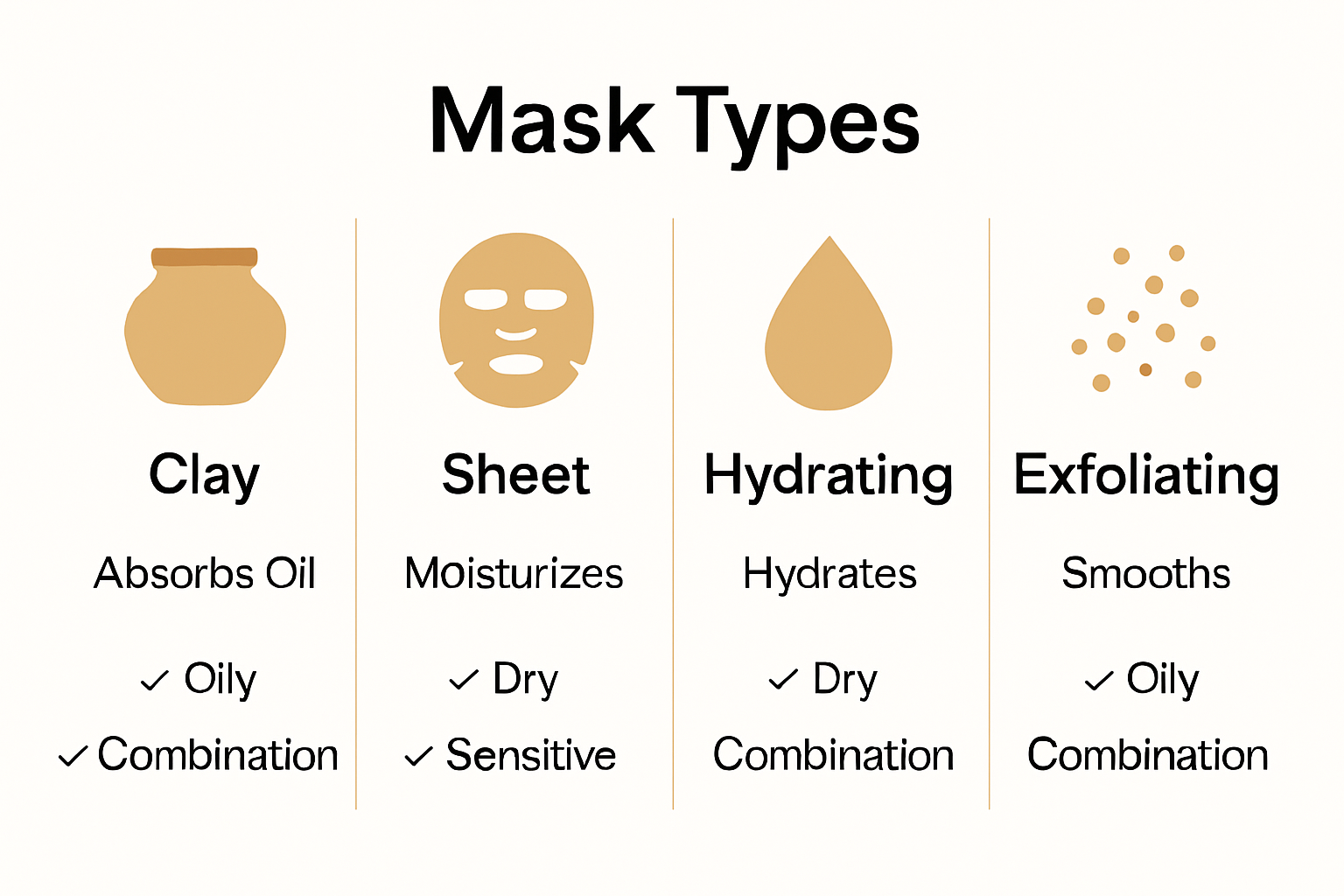
Different types of facial masks serve unique purposes:
- Clay masks: Excellent for absorbing excess oil and clearing congested pores
- Sheet masks: Deliver concentrated serums directly into the skin
- Hydrating masks: Provide intense moisture for dry or dehydrated skin
- Exfoliating masks: Remove dead skin cells and promote cell turnover
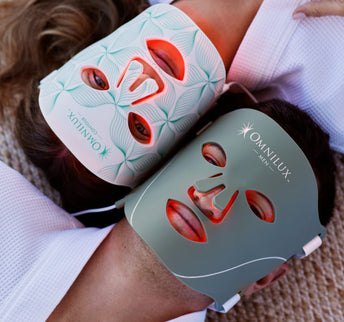
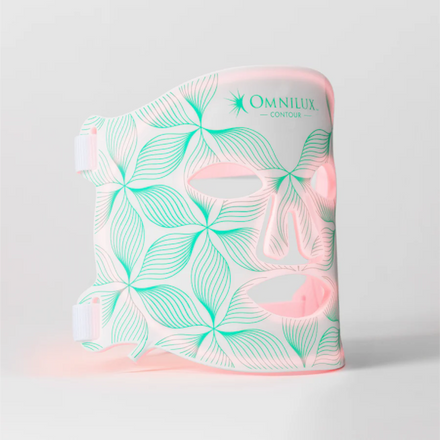
Understanding your skin’s specific needs is crucial when selecting a facial mask. Check out our guide on skincare devices to complement your mask routine and enhance overall skin health. Whether you’re targeting acne, aging, or simply want to maintain a healthy complexion, the right facial mask can be a game-changing addition to your skincare arsenal.
Popular Types of Facial Masks Explained
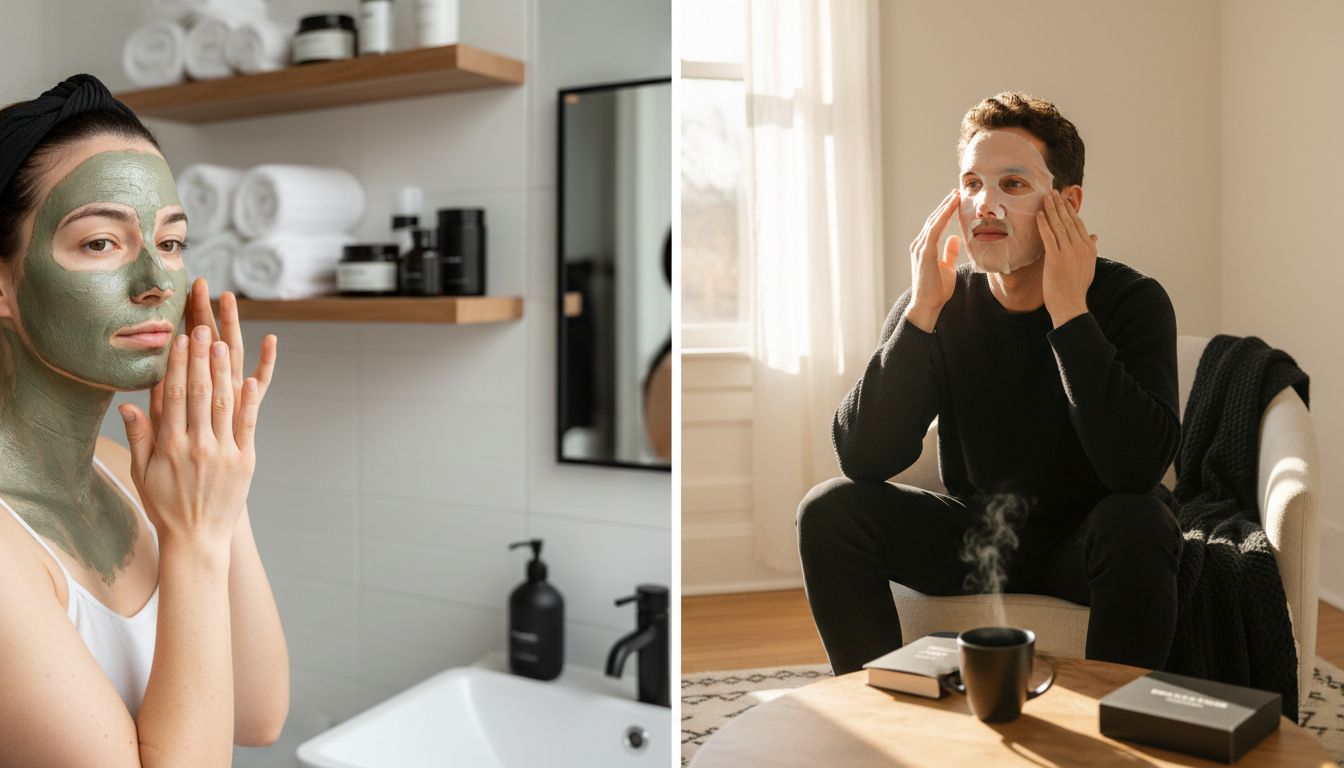
Facial masks are far more than a one-size-fits-all skincare solution. Each type offers unique benefits tailored to specific skin concerns, transforming your skincare routine from basic maintenance to targeted treatment. From hydrating sheet masks to purifying clay formulations, understanding the diverse landscape of mask options can help you curate a personalised skincare strategy.
Clay Masks remain a gold standard for those battling excess oil and congested pores. These mineral-rich treatments work like a magnet, drawing out impurities and absorbing sebum without stripping the skin’s natural protective barrier. Typically recommended for combination to oily skin types, clay masks provide deep cleansing and help minimise the appearance of enlarged pores.
Sheet Masks represent the ultimate in convenience and concentrated skincare. Originating from Korean beauty traditions, these single-use masks are saturated with potent serums and designed to deliver intensive hydration and nutrients directly into the skin. They come in various formulations addressing different concerns:
- Hydrating masks with hyaluronic acid
- Brightening masks with vitamin C
- Calming masks with botanical extracts
- Anti-aging masks with peptides and collagen
For those seeking professional-grade skincare solutions, explore our PCA Skin Detoxifying Mask to experience a targeted approach to skin renewal. Whether you’re managing acne, combating signs of aging, or simply maintaining healthy skin, understanding these mask categories empowers you to make informed skincare choices.
Main Benefits for Skin Health and Beauty
Facial masks are powerful skincare allies that deliver transformative benefits beyond traditional moisturising routines. These concentrated treatments work rapidly to address multiple skin concerns, providing targeted nutrition, hydration, and repair that can dramatically improve overall skin health and appearance.
Deep Hydration stands as one of the most significant benefits of facial masks. By creating an occlusive barrier that locks in moisture, masks allow active ingredients to penetrate more effectively than standard skincare products. Hyaluronic acid-infused masks can increase skin’s moisture levels by up to 300%, reducing fine lines and creating a plump, youthful complexion.
Key benefits of facial masks include:
- Intensive Nourishment: Delivering concentrated active ingredients directly into the skin
- Detoxification: Drawing out impurities and balancing oil production
- Anti-Aging Support: Stimulating collagen production and reducing visible signs of aging
- Stress Relief: Providing a moment of self-care and relaxation during skincare routines
To maximise these benefits, explore our guide on creating a comprehensive skincare routine that integrates facial masks strategically.
When used consistently and correctly, these treatments can transform skin texture, tone, and overall radiance, offering a professional-grade approach to personal skincare management.
How to Choose the Right Facial Mask
Selecting the perfect facial mask requires a strategic approach that goes beyond surface-level considerations. Your skin is unique, and understanding its specific needs is crucial to choosing a mask that delivers transformative results. The right mask can address everything from hydration and acne to aging and uneven skin tone, making it a powerful tool in your skincare arsenal.
Skin Type Analysis forms the foundation of mask selection. Oily and acne-prone skin benefits from clay or charcoal masks that absorb excess sebum and minimize pores. Dry or sensitive skin types should gravitate towards hydrating masks with ingredients like hyaluronic acid and ceramides. Combination skin requires a more nuanced approach, often needing multi-masking techniques that target different areas with specific treatments.
Key factors to consider when choosing a facial mask include:
- Skin Concerns: Identify your primary skin issues (hydration, aging, acne, uneven texture)
- Ingredient Composition: Look for active ingredients that directly address your specific needs
- Frequency of Use: Determine how often the mask should be applied based on its intensity
- Skin Sensitivity: Select masks with gentle, non-irritating formulations
Learn more about creating a comprehensive skincare routine that integrates masks effectively. Remember, the most expensive or trendy mask isn’t necessarily the best choice. Ultimately, the right facial mask is one that responds precisely to your skin’s unique requirements and helps you achieve your specific skincare goals.
Best Practices and Common Mistakes to Avoid
Mastering facial mask application requires more than simply slapping on a product and hoping for the best. Successful skincare involves understanding the nuanced techniques that maximise effectiveness while avoiding potential pitfalls that could compromise your skin’s health and the mask’s performance.
Preparation is crucial before applying any facial mask. Always start with thoroughly cleansed skin, removing all makeup, dirt, and excess oils to ensure maximum ingredient absorption. Avoid applying masks to dirty or unwashed skin, as this can trap impurities and potentially cause breakouts. Steam your face or apply a warm towel beforehand to open pores and enhance product penetration, but be careful not to use water that’s too hot, which can cause skin irritation.
Common mistakes to avoid when using facial masks include:
- Over-Masking: Applying masks too frequently can disrupt your skin’s natural balance
- Incorrect Application Time: Leaving masks on longer than recommended can cause skin sensitivity
- Skipping Patch Tests: Always test new products on a small area to check for adverse reactions
- Neglecting Moisturising: Follow masks with appropriate hydration to seal in benefits
Explore our guide to developing a comprehensive skincare routine that integrates masks effectively and safely. Remember, skincare is deeply personal – what works for one person might not work for another. Pay attention to your skin’s unique responses and adjust your approach accordingly.
Elevate Your Skincare Routine with Medical Grade Facial Masks
Understanding the unique benefits and types of facial masks is the first step toward achieving radiant, healthy skin. Whether you struggle with oily pores, dry patches, or sensitivity, selecting the right mask with the right ingredients is essential for transforming your skincare results. Don’t let guesswork hold you back from unlocking the power of targeted treatments that provide deep hydration, detoxification, and anti-aging support.
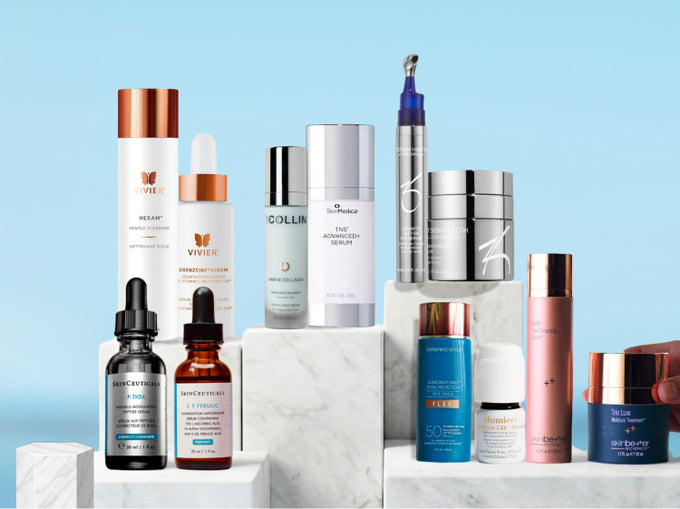
Discover expertly curated medical grade facial masks and skincare devices at We Do Skin designed to meet your specific skin needs. Shop trusted brands like ZO Skin, Vivier, and AlumierMD and benefit from exclusive promotions, free shipping options, and customer reviews to guide your choice. Start your journey toward glowing skin today by exploring our professional skincare solutions and learn how to incorporate facial masks safely and effectively with our step-by-step skincare guides. Take control of your skin’s future now—because the right facial mask makes all the difference.
Frequently Asked Questions
What are the main benefits of using facial masks?
Facial masks provide deep hydration, intensive nourishment, detoxification, anti-aging support, and stress relief. They allow concentrated active ingredients to penetrate the skin more effectively than regular moisturizers, resulting in improved skin health and appearance.
How do I choose the right facial mask for my skin type?
To choose the right facial mask, first analyze your skin type and specific concerns. For oily or acne-prone skin, opt for clay or charcoal masks. For dry or sensitive skin, look for hydrating masks with hyaluronic acid. Combination skin may benefit from multi-masking techniques that target different areas with various products.
How often should I use a facial mask?
The frequency of facial mask application depends on the type of mask and your skin’s needs. Generally, applying a mask 1-2 times per week is recommended. However, for intensive treatments, follow the product’s guidelines to avoid over-masking, which can disrupt your skin’s natural balance.
What common mistakes should I avoid when using facial masks?
Avoid over-masking by limiting the frequency of use, and be sure not to leave masks on longer than recommended as this can lead to skin sensitivity. Additionally, always wash and prep your skin before application, perform patch tests with new products, and follow up with moisturizing to seal in the benefits.
Recommended
- 7 Best Skincare Devices List for Glowing, Healthy Skin
- Step by Step Facial Care for Glowing, Healthy Skin
- Dr. Hauschka Soothing Mask (30 ml)
- Dr. Hauschka Hydrating Cream Mask (30 ml)
- Τι είναι sheet mask: Κατανόηση και Ομορφιά | B Woman
- Οι Sheet Masks: Complete Guide για Λάμψη & Φροντίδα - MakeUp Closet