





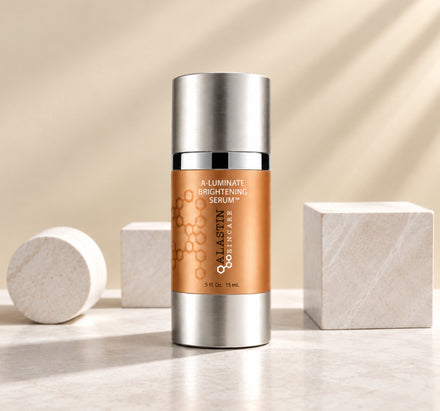
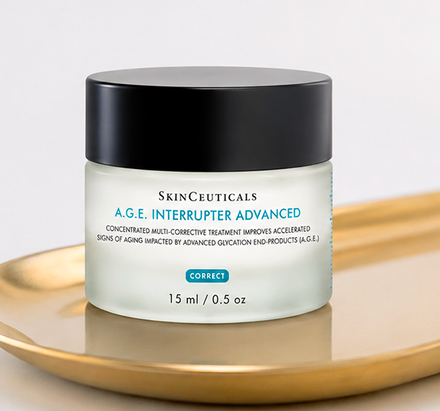


Almost half of Canadian adults struggle to find skincare routines tailored to their unique needs. The mix of harsh winters, sudden humidity, and urban pollution means no two Canadians share the same skincare challenges. Knowing how to assess your individual skin, pick safe medical grade products, and combine the right techniques ensures real improvement and long term confidence in your skin. This step by step guide offers practical strategies grounded in science to help you build a routine that truly works for Canadian conditions.
Table of Contents
- Step 1: Assess Your Skin’s Unique Needs
- Step 2: Select Medical Grade Skincare Essentials
- Step 3: Layer Products in Optimal Order
- Step 4: Integrate Advanced Beauty Devices
- Step 5: Verify Results with Consistent Monitoring
Quick Summary
| Important Takeaway | Explanation |
|---|---|
| 1. Assess Your Skin’s Unique Needs | Examine texture, hydration, sensitivity, and environmental effects to create a personalized skincare routine. |
| 2. Choose Medical Grade Skincare | Opt for products with scientifically proven active ingredients tailored to your skin concerns for better results. |
| 3. Layer Products Correctly | Apply skincare from thinnest to thickest, starting with serums and ending with sunscreen for maximum efficacy. |
| 4. Integrate Advanced Beauty Devices | Use technologies like LED therapy masks and microcurrent devices in conjunction with skincare for targeted treatments. |
| 5. Monitor Your Skin’s Progress | Keep a detailed journal of product use and results to track improvements and make necessary adjustments over time. |
Step 1: Assess Your Skin’s Unique Needs
Understanding your skin’s specific requirements is the foundation of an effective skincare strategy. Skin health assessment begins with a comprehensive evaluation of your individual dermatological profile.
Start by examining your skin closely in natural lighting. Observe key characteristics such as texture, hydration levels, potential sensitivity, and any recurring concerns like uneven tone, fine lines, or breakouts. Consider factors like age, environmental exposure, hormonal changes, and lifestyle habits that might influence your skin’s condition. Professional guidance from skincare experts can provide deeper insights into your unique dermatological needs.
A thorough skin assessment involves more than visual inspection. Track how your skin responds to different environmental conditions, note any reactions to current products, and pay attention to seasonal changes. Canadian skin often experiences significant variations due to our diverse climate conditions, which means your skincare approach must be adaptable and responsive.
Pro tip: Create a detailed skin journal documenting daily observations, product interactions, and skin changes. This systematic tracking will help you develop a more nuanced understanding of your skin’s specific requirements and responses.
Here is a summary of factors to consider during your personal skin assessment:
| Evaluation Aspect | Why It Matters | How to Observe |
|---|---|---|
| Texture | Reveals skin smoothness, congestion | Examine in natural light, touch gently |
| Hydration Level | Indicates moisture balance | Look for dry patches or shininess |
| Sensitivity | Suggests reactivity or resilience | Note redness, tingling after products |
| Environmental Effects | Reflects sun and pollution impacts | Watch for spots or uneven tone |
| Seasonal Changes | Affects skin needs year-round | Compare appearance across seasons |
Step 2: Select Medical Grade Skincare Essentials
Navigating the world of medical grade skincare requires a strategic approach that goes beyond basic cosmetic products. Professional skincare recommendations can help you understand the critical difference between over-the-counter and clinically formulated solutions.
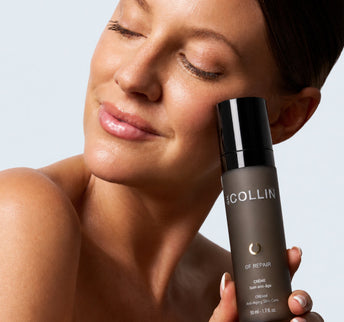
Medical grade skincare focuses on targeted, scientifically validated ingredients that penetrate deeper into the skin layers. Look for products containing active compounds like niacinamide, hyaluronic acid, retinol, and advanced peptides that address specific skin concerns. Your selection should be guided by your unique skin assessment from the previous step carefully matching ingredients to your individual skin profile. Consider factors such as skin type, age, environmental exposure, and specific concerns like hyperpigmentation, fine lines, or uneven texture.
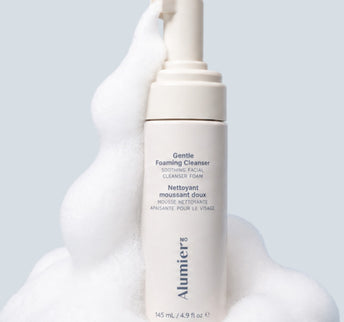
When selecting medical grade skincare essentials, prioritize a comprehensive routine that includes key components cleansing, correcting, hydrating, and protecting your skin. This typically involves a high-quality cleanser, targeted treatment serum, moisturizer, and broad-spectrum sunscreen. Research from Toronto’s skincare experts emphasizes the importance of understanding each product’s specific role and potential interactions.
Pro tip: Consult with a skincare professional who can provide personalized recommendations and help you navigate the nuanced world of medical grade skincare products, ensuring you invest in solutions precisely tailored to your skin’s unique needs.
Step 3: Layer Products in Optimal Order
Creating an effective skincare routine is more than just selecting the right products it requires understanding the precise sequence of application. Professional skincare brands guide offers insights into maximizing product efficacy through strategic layering.
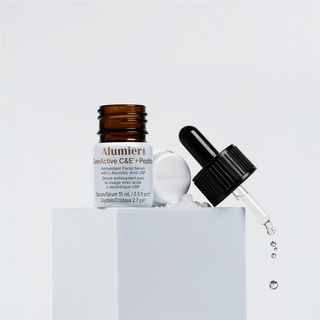
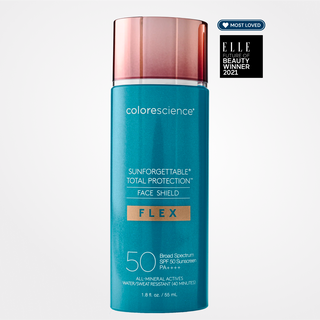
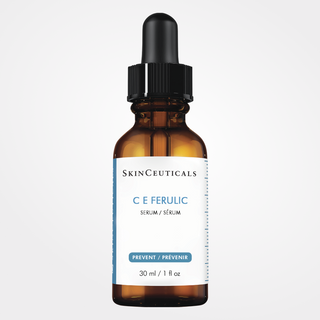
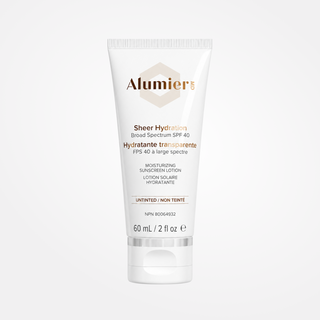
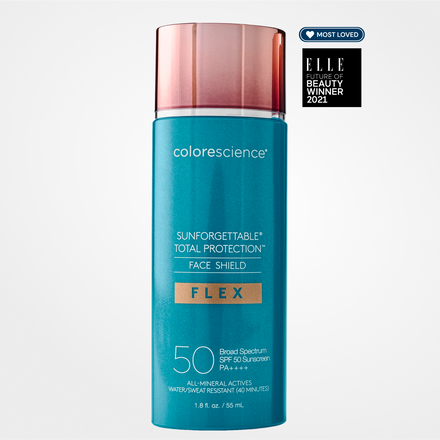
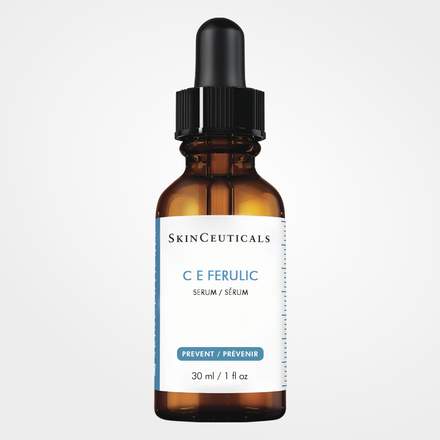
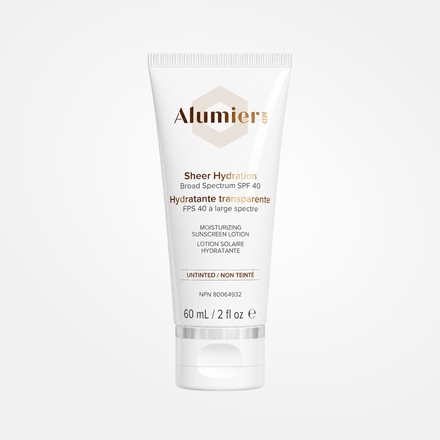
The general rule for skincare product layering follows a simple principle: apply products from thinnest to thickest consistency. Begin with lightweight serums and treatments that contain active ingredients like vitamin C or hyaluronic acid. These potent formulations need direct contact with clean skin to penetrate effectively. Follow with more substantial moisturizers that help seal in the previous treatments and provide hydration. The final step should always be a broad-spectrum sunscreen during daytime routines, protecting your carefully crafted skincare investment from environmental damage.
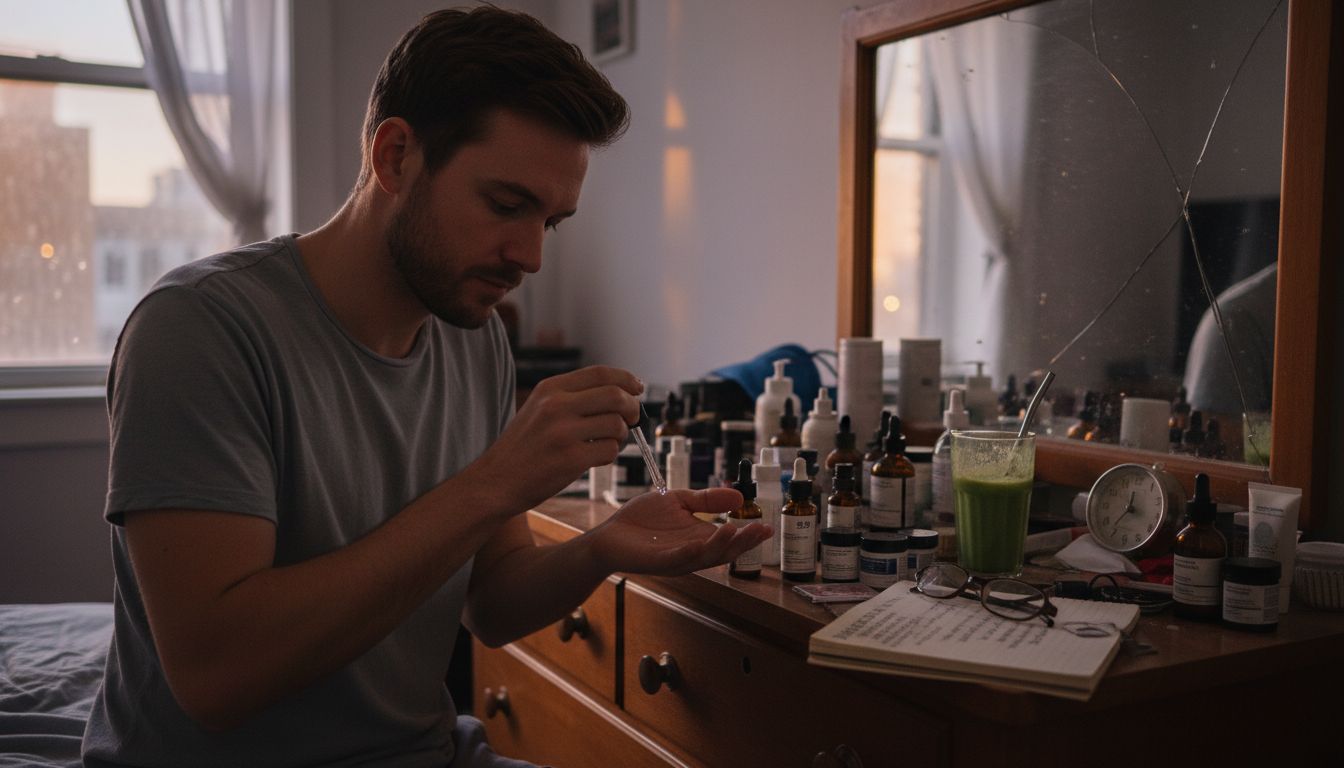
Pay close attention to ingredient interactions and absorption times. Some active ingredients work synergistically while others might cancel out each other’s benefits if applied incorrectly. For instance, vitamin C works best when applied first, while retinol products are typically most effective when used later in the evening routine. Understanding these nuanced interactions can significantly enhance your skincare outcomes and prevent potential skin irritation.
Pro tip: Create a morning and evening skincare map that outlines your exact product sequence, helping you maintain consistency and maximize the potential of each carefully selected medical grade skincare product.
Step 4: Integrate Advanced Beauty Devices
Elevating your skincare routine beyond traditional products means strategically incorporating cutting-edge beauty technologies. Best skincare devices can transform your approach to skin health by providing targeted treatments that complement your medical grade skincare regimen.
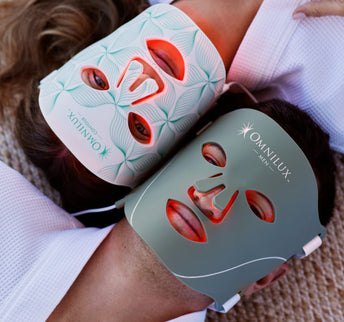
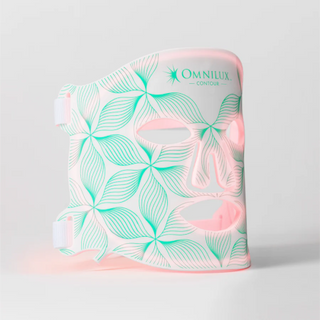
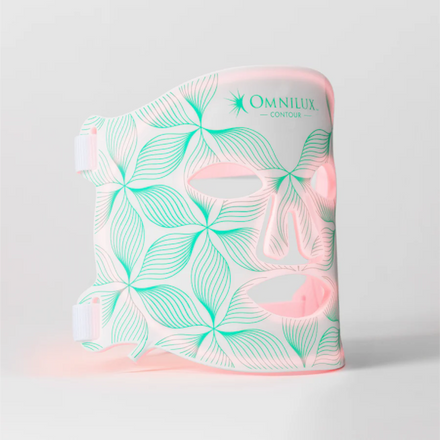
Advanced beauty devices offer precision treatments addressing specific skin concerns. LED light therapy masks can reduce visible redness and stimulate collagen production, while microcurrent devices help tone facial muscles and improve skin elasticity. Ultrasonic cleansing tools provide deeper cleansing than manual methods, effectively removing impurities and preparing skin for subsequent treatments. When selecting devices, consider your unique skin assessment and target specific concerns like fine lines, uneven texture, or reduced skin firmness.
Successful integration requires understanding each device’s optimal usage frequency and technique. Most advanced beauty devices work best when used consistently but sparingly typically 2 to 3 times per week. Begin with the lowest intensity setting and gradually increase as your skin adapts. Always follow manufacturer instructions and pay attention to your skin’s response, adjusting usage if you experience any irritation or discomfort.
Pro tip: Create a dedicated device care routine, including proper cleaning and storage, to maintain device hygiene and ensure long term effectiveness of your advanced skincare technologies.
Compare key advanced beauty devices and their core benefits:
| Device Type | Primary Function | Best For |
|---|---|---|
| LED Light Therapy Mask | Stimulates collagen, reduces redness | Fine lines, visible redness |
| Microcurrent Device | Tones facial muscles, lifts contours | Sagging or aged skin |
| Ultrasonic Cleanser | Deep-cleans pores, boosts absorption | Oily or congested skin |
| Home Microneedling Roller | Enhances product penetration, smooths skin | Scarring, uneven texture |
Step 5: Verify Results with Consistent Monitoring
Tracking your skincare progress requires a systematic and scientific approach to understanding how your carefully curated routine impacts your skin’s health and appearance. Dermatologist recommended skincare techniques emphasize the importance of documenting and evaluating your skin’s transformation.
Establish a comprehensive monitoring strategy that goes beyond casual observation. Take clear, well-lit photographs of your skin from multiple angles under consistent lighting conditions every two to four weeks. Create a detailed skin journal documenting product usage, device treatments, environmental factors, diet, and any noticeable changes in texture, tone, hydration, and overall skin appearance. Pay special attention to specific concerns you initially identified during your skin assessment such as hyperpigmentation, fine lines, or uneven texture. Quantify improvements by noting specific changes measuring factors like skin brightness, reduced visible redness, or improved elasticity.
Consider using digital tracking tools or apps that can help you objectively measure skin changes. Some advanced technologies offer precise measurements of skin hydration, oil production, and pigmentation levels. Be patient and realistic understanding that meaningful skin transformations typically require consistent effort over several weeks or months. If you are not seeing desired results after 8 to 12 weeks, consult with a skincare professional who can provide personalized guidance and potentially adjust your skincare strategy.
Pro tip: Schedule quarterly professional skin assessments to gain expert insights and validate your at home monitoring results, ensuring your skincare regimen continues to evolve with your skin’s changing needs.
Unlock the Full Potential of Your Skincare Regimen Today
Mastering your skincare workflow begins with accurate assessment and the right tools. The challenges highlighted in the article, such as selecting tailored medical grade skincare and integrating advanced beauty devices, can feel overwhelming without expert guidance and premium products designed for Canadian skin. You deserve a skincare experience that is both precise and transformative with proven ingredients like niacinamide, retinol, and cutting-edge technologies that deliver visible results.
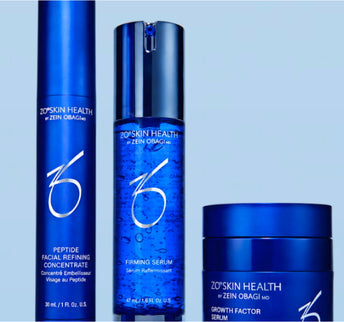
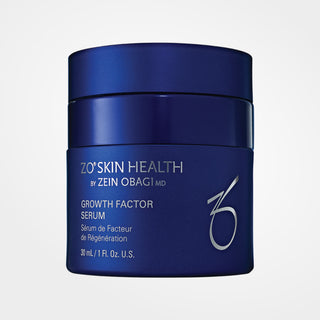
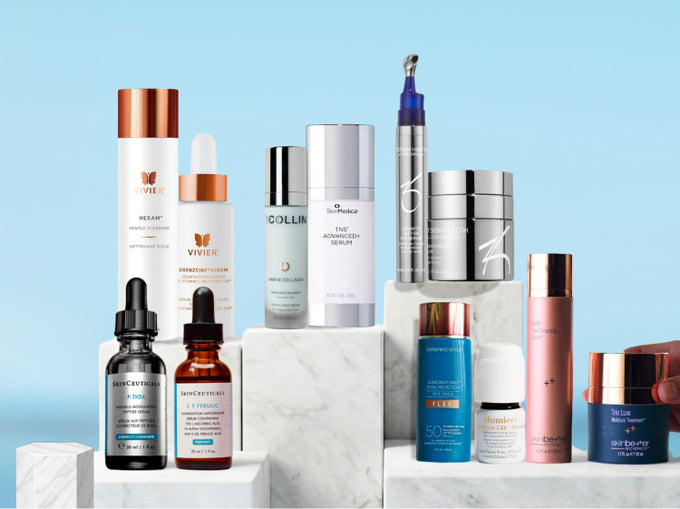
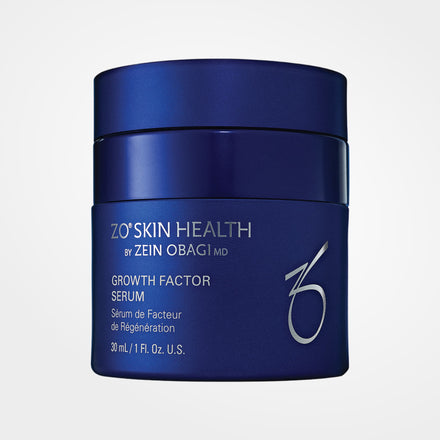
Embrace radiant skin by exploring medical grade skincare essentials and innovative beauty devices from world-class brands like ZO Skin, Vivier, and Omnilux. At wedoskin.ca, enjoy exclusive offers and expert-backed selections that align perfectly with your unique skin needs. Act now to experience a seamless shopping journey that supports consistent monitoring and optimal product layering. Start your personalized skincare transformation and shop confidently today at wedoskin.ca.
Frequently Asked Questions
How do I assess my skin’s unique needs for my skincare routine?
Start by examining your skin closely under natural lighting and noting its texture, hydration levels, and sensitivity. Track reactions to products and environmental changes in a skin journal over time to better understand your skin’s specific requirements.
What are the key components of a medical grade skincare routine?
A medical grade skincare routine typically includes a high-quality cleanser, targeted treatment serum, moisturizer, and broad-spectrum sunscreen. Focus on selecting products with active ingredients that address your specific skin concerns, such as fine lines or uneven texture.
How should I layer my skincare products for maximum effectiveness?
Apply skincare products from thinnest to thickest consistency, starting with lightweight serums followed by moisturizers. Ensure you use broad-spectrum sunscreen as the last step during your daytime routine to protect your skin from environmental damage.
How can I integrate beauty devices into my skincare regimen?
Consider using advanced beauty devices, such as LED light therapy masks or ultrasonic cleansers, to enhance your skincare. Use these devices consistently, usually 2 to 3 times a week, while monitoring your skin’s response to avoid irritation.
What is the best way to monitor my skincare results?
Maintain a detailed skin journal that documents product usage, treatments, and noticeable changes in your skin’s condition. Take well-lit photographs from multiple angles every two to four weeks to objectively track improvements in texture and tone.
How long should I give my skincare routine to show results?
Be patient and realistic, as meaningful skin transformations often require consistent effort over several weeks or months. If you do not notice desired results after 8 to 12 weeks, consider seeking expert advice for potentially refining your regimen.