










Over half of Canadian adults say their skin changes dramatically with the seasons, making skincare choices even more confusing. Finding a method that works with the tough Canadian climate can feel overwhelming with so many myths and trends circulating online. This guide breaks down what skin cycling really means and strips away the confusion so you can choose a routine that brings out your healthiest skin, no matter where in Canada you live.
Table of Contents
- Skin Cycling Defined And Common Myths
- How A Skin Cycling Routine Works
- Choosing Products For Optimal Results
- Benefits For Canadian Skin Types And Climates
- Risks, Mistakes, And What To Avoid
Key Takeaways
| Point | Details |
|---|---|
| Skin Cycling Strategy | Skin cycling optimises skincare by using a four-night rotation of active treatments and recovery periods to reduce irritation and enhance product efficacy. |
| Personalisation is Vital | Individual skin types and conditions dictate the need for personalised adjustments in product choice and treatment frequency within the skin cycling framework. |
| Common Myths | Misconceptions, such as the belief that more frequent active ingredient use yields better results, can hinder effective skincare practices. |
| Avoid Critical Mistakes | Key pitfalls include excessive treatment, ignoring skin sensitivity, and neglecting proper hydration and sunscreen during active ingredient use. |
Skin Cycling Defined And Common Myths
Skin cycling is a strategic skincare approach designed to optimise product effectiveness while minimising potential irritation. Unlike traditional daily routines that apply multiple active ingredients simultaneously, this method involves intentional product rotation and deliberate rest periods. Skin cycling fundamentally acknowledges that your skin requires strategic recovery time, just like muscle groups during athletic training.
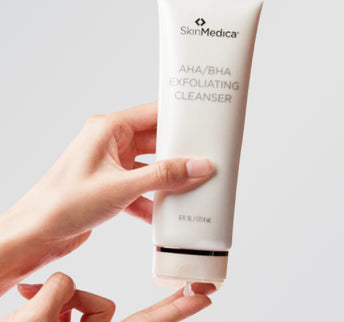
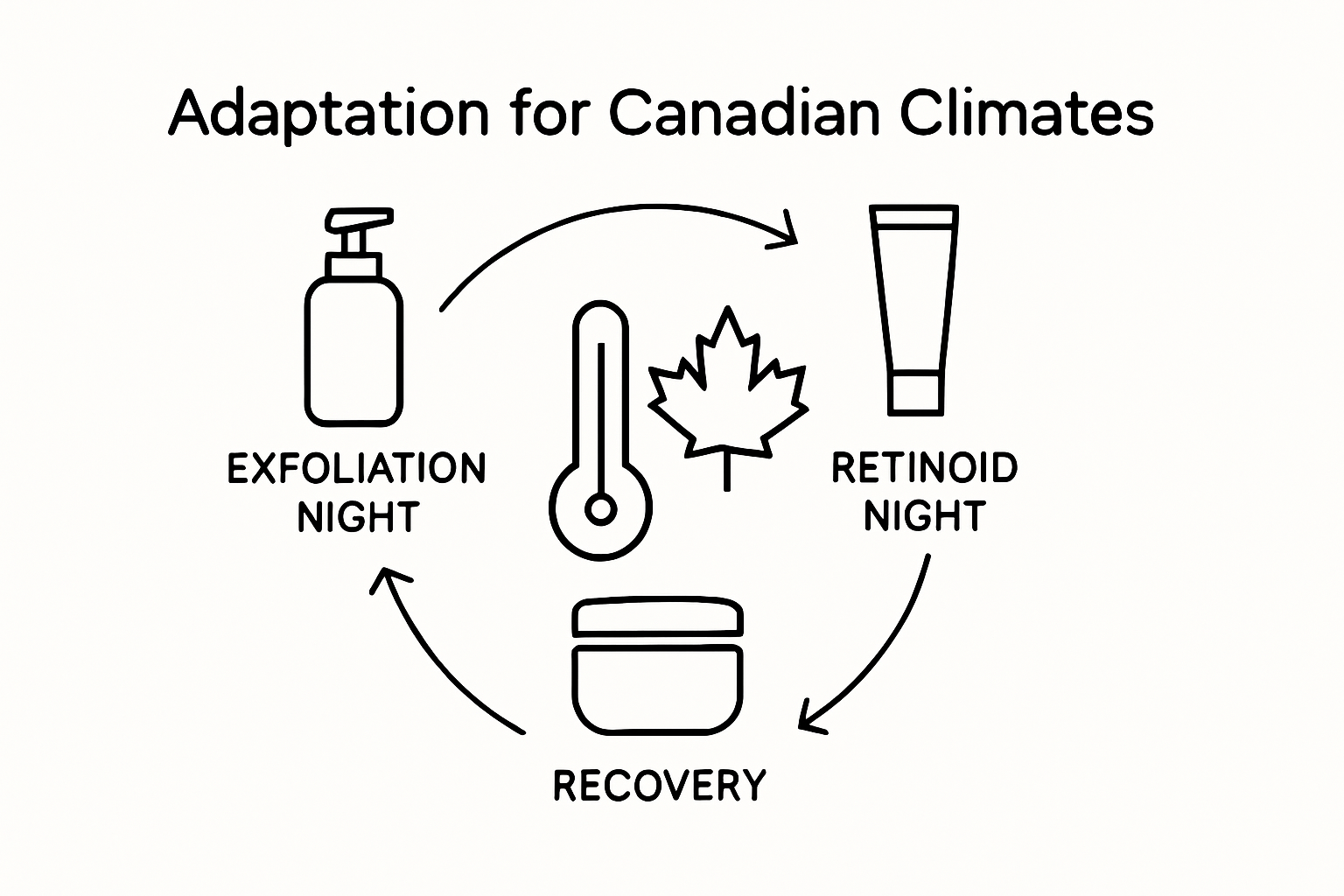
At its core, a typical skin cycling routine follows a structured four-night cycle. The first night involves exfoliation using chemical acids like glycolic or salicylic acid, which helps remove dead skin cells and promote cellular turnover. The second night centres on retinoid application, which stimulates collagen production and accelerates skin renewal. The third and fourth nights serve as recovery nights, allowing your skin’s protective barrier to regenerate and heal without additional active ingredient stress.
Numerous myths surround skin cycling that can mislead skincare enthusiasts. One prevalent misconception is that more frequent active ingredient usage guarantees superior results. In reality, dermatologist recommended skincare emphasises that excessive treatments can compromise your skin’s natural protective mechanisms. Another common myth suggests skin cycling is overly complicated, when it actually offers a personalised approach adaptable to individual skin requirements.
By understanding and implementing skin cycling, you can transform your skincare routine from a potentially irritating daily assault into a thoughtful, responsive strategy. The key is listening to your skin, respecting its natural regeneration processes, and providing targeted interventions balanced with intentional recovery periods. This approach not only minimises potential visible redness but also maximises the efficacy of your carefully selected skincare products.
How A Skin Cycling Routine Works
A skin cycling routine transforms your approach to skincare by strategically scheduling active ingredient treatments and recovery periods. Unlike traditional methods that apply multiple products daily, skin cycling follows a precise four-night sequence designed to maximise product efficacy while minimising potential skin irritation. This method essentially cares for your skin like a high-performance system that requires calculated intervention and deliberate rest.
The classic four-night skin cycling protocol breaks down into specific phases. Night one focuses on chemical exfoliation, utilising acids like glycolic or salicylic to remove dead skin cells and promote cellular turnover. Night two introduces retinoid application, which stimulates collagen production and accelerates skin renewal. Retinol strength variations can be adjusted based on individual skin tolerance and specific skincare goals. The subsequent two nights are dedicated to recovery, allowing your skin’s protective barrier to regenerate without additional active ingredient stress.

Personalisation is key in skin cycling, recognising that no single routine fits every skin type. Sensitive skin might require longer recovery periods, while more resilient skin could tolerate more frequent active ingredient treatments. Factors like age, environmental exposure, and existing skin conditions all influence how you might adapt the basic four-night framework. The fundamental principle remains consistent: create a balanced approach that provides targeted treatment while respecting your skin’s natural recovery processes.
Implementing a skin cycling routine requires patience and observation. Start by introducing each active ingredient gradually, monitoring your skin’s response and adjusting the frequency or strength accordingly. Pay attention to signs of potential overexfoliation or irritation, such as redness, dryness, or increased sensitivity. By approaching skincare as a nuanced, responsive practice, you transform your routine from a potentially harsh daily regimen into a thoughtful, strategic skin health programme.
Choosing Products For Optimal Results
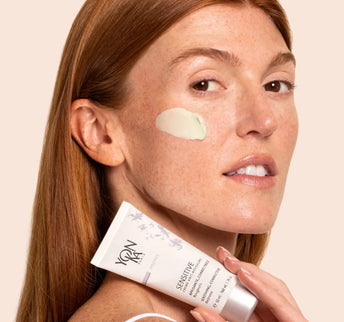
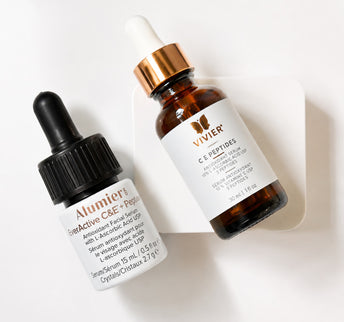
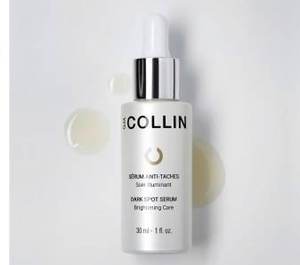
Successful skin cycling hinges on strategically selecting products that support your skin’s unique needs while respecting its natural regeneration cycles. The foundation of an effective routine begins with understanding your skin type, current concerns, and the specific roles each product plays within the four-night cycling sequence. Professional skincare brands offer targeted solutions that can dramatically enhance your skin cycling approach.
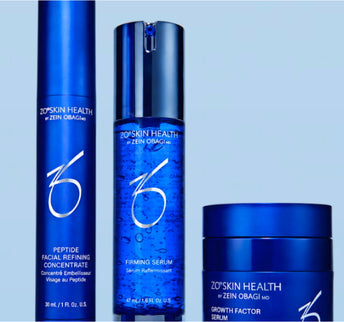
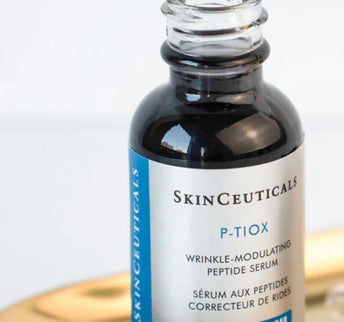
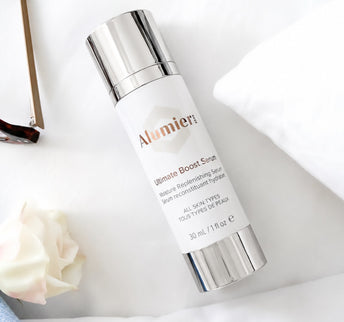
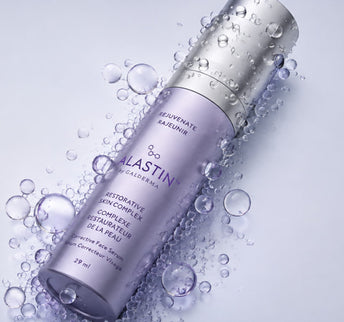
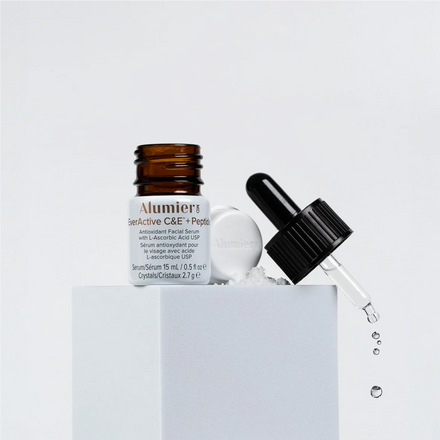
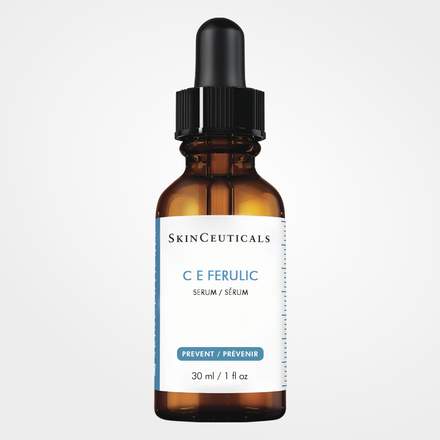
Your product arsenal should include several key components. For the exfoliation night, opt for chemical exfoliants containing alpha-hydroxy acids (AHAs) or beta-hydroxy acids (BHAs) that gently dissolve dead skin cells without causing micro-tears. Retinoid selection requires careful consideration, with strengths ranging from beginner to advanced formulations. Hydrating and barrier-repairing products are crucial for recovery nights, focusing on ingredients like hyaluronic acid, ceramides, and peptides that support skin regeneration and reduce potential visible redness.
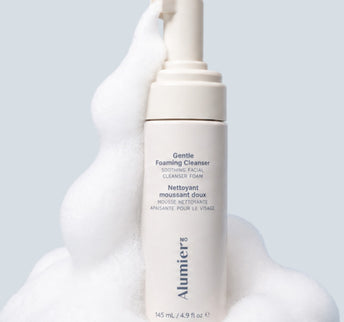
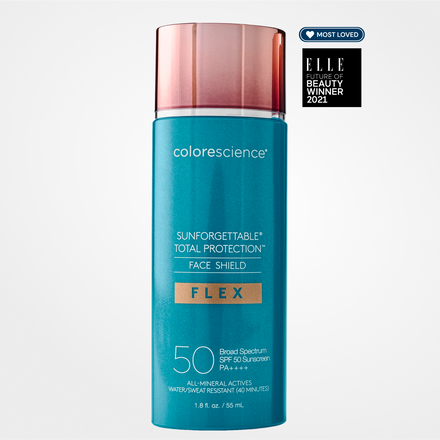
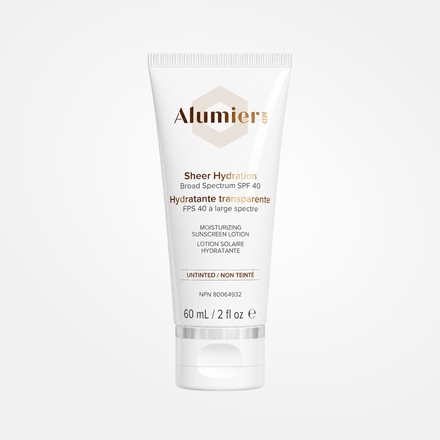
When building your skin cycling routine, avoid common pitfalls that can compromise your skin’s health. Steer clear of products with overlapping active ingredients that might cause excessive irritation. Physical scrubs and harsh toners should be eliminated, replaced by gentle, non-comedogenic cleansers that maintain your skin’s natural pH balance. Sunscreen becomes non-negotiable, with broad-spectrum SPF 30 or higher essential for protecting your skin during active treatment periods and supporting overall skin renewal.
Personalisation is the cornerstone of an effective skin cycling routine. What works perfectly for one person might not suit another, so be prepared to adjust your product selection based on your skin’s response. Start with lower concentrations of active ingredients, introduce new products gradually, and always patch test to ensure compatibility. Pay attention to how your skin feels, looks, and responds, making incremental adjustments that honour your skin’s unique characteristics and evolving needs.
Benefits For Canadian Skin Types And Climates
Canadian skin faces unique challenges due to extreme seasonal variations, from harsh winter winds to intense summer UV exposure. Skin cycling emerges as a particularly effective approach for navigating these environmental stressors, offering a strategic method to maintain skin health and resilience. Essential skincare tips for Canadians become even more critical when understanding how climate directly impacts skin function and recovery.
The Canadian climate demands a nuanced skincare approach that addresses multiple concerns simultaneously. Dry, cold winters can compromise skin barrier function, leading to increased sensitivity and moisture loss. Skin cycling provides a structured method to combat these challenges by introducing active ingredients strategically while allowing significant recovery periods. This approach is especially beneficial for individuals with sensitive or reactive skin types commonly found in regions experiencing dramatic temperature fluctuations.
Specific benefits of skin cycling for Canadian skin types include enhanced moisture retention, reduced environmental stress, and improved skin barrier resilience. The method’s four-night rotation allows for targeted treatment of concerns like winter-induced dryness, summer sun damage, and seasonal skin sensitivity. By alternating between active ingredient application and recovery nights, individuals can maintain skin health without overwhelming their skin’s natural regenerative processes. This approach proves particularly effective for managing common Canadian skincare challenges such as windburn, indoor heating effects, and rapid temperature changes.
Personalisation becomes key when adapting skin cycling to individual needs. Different regions across Canada experience varying climate conditions, from the humid coastal areas of British Columbia to the dry, cold prairies and extreme northern territories. What works in Vancouver might differ from an optimal routine in Toronto or Winnipeg. Pay close attention to how your skin responds to seasonal changes, adjusting your skin cycling routine to provide maximum protection and renewal throughout the year.
Risks, Mistakes, And What To Avoid
Skin cycling, while powerful, is not a one-size-fits-all solution and requires careful navigation to avoid potential pitfalls. Overenthusiasm can lead to significant skin damage, with many individuals mistakenly believing that more frequent or intense treatments yield better results. Growth factors in skincare become critically important when understanding how to balance aggressive treatments with skin recovery and protection.
The most common mistakes in skin cycling involve improper product layering and ignoring individual skin sensitivities. Individuals with conditions like very dry, easily irritated skin, redness-prone skin, or highly sensitive skin must exercise extreme caution. Introducing multiple active ingredients simultaneously can trigger purging - a reactive process characterized by red bumps, increased sensitivity, and potential visible redness. This typically occurs within the first eight days of a new skincare routine and can be mistaken for an adverse reaction, potentially causing individuals to abandon their carefully constructed skin cycling approach prematurely.
Certain practices dramatically increase the risks associated with skin cycling. Avoid these critical mistakes: using multiple exfoliating agents in the same week, applying retinoids without proper hydration, neglecting sunscreen during active treatment periods, and failing to patch test new products. Physical symptoms signalling you’ve pushed your skin too far include persistent redness, stinging sensations, increased dryness, flaking, or unexpected breakouts. These are clear indicators that your skin cycling routine requires immediate recalibration.
Ultimately, successful skin cycling demands patience, observation, and a willingness to adapt. Start with lower concentrations of active ingredients, introduce new products gradually, and maintain a conservative approach. Your skin’s response is the most crucial indicator of an effective routine. If you experience consistent irritation or discomfort, it’s essential to pause, reassess, and potentially consult a dermatological professional who can provide personalised guidance tailored to your specific skin concerns and sensitivities.
Discover the Power of Skin Cycling with Professional Skincare Solutions
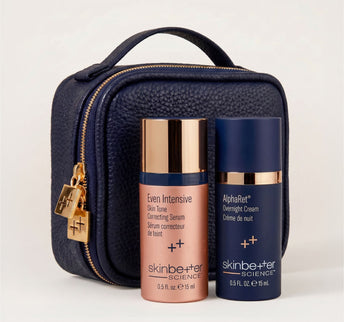
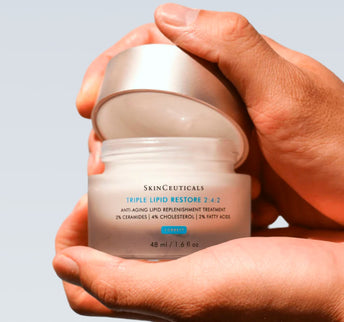
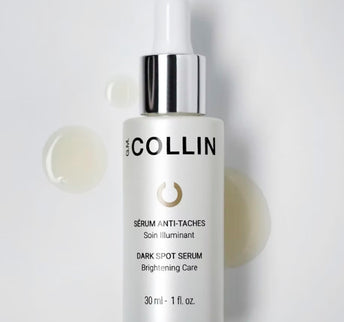
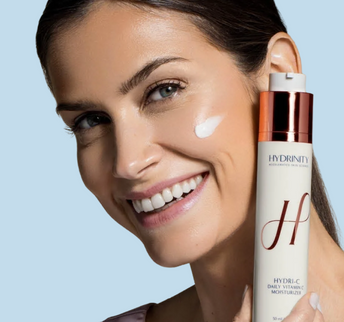
Struggling to find a balanced skincare routine that boosts results without irritation We understand how challenging it can be to select the right products for effective skin cycling that respects your skin’s natural regeneration and recovery needs. With concerns like overexfoliation and sensitivity common, a well-curated selection of medical grade skincare is essential to support your four-night cycle for optimal renewal and barrier protection.

Unlock your skin’s full potential today by exploring premium brands and expertly formulated products designed for skin cycling at wedoskin.ca. Benefit from carefully chosen options including gentle chemical exfoliants and retinoids tailored to your skin type plus hydrating recoveries enriched with ceramides and peptides. Take the first step now and personalise your routine with professional skincare brands that Canadians trust. Don’t wait to protect your skin from seasonal stresses and experience a revitalised, glowing complexion by visiting our site and starting your skin cycling journey.
Frequently Asked Questions
What is skin cycling and how does it work?
Skin cycling is a skincare method that maximizes product effectiveness and minimizes irritation by rotating active ingredients over a four-night cycle. This cycle typically includes a night for exfoliation, a night for retinoid application, followed by two recovery nights.
How often should I practice skin cycling?
The classic skin cycling routine involves a four-night sequence, allowing for targeted treatment followed by recovery. However, the frequency may vary based on individual skin types and sensitivities, with some individuals requiring longer recovery periods.
Which ingredients are best for the exfoliation night in a skin cycling routine?
For exfoliation nights, opt for gentle chemical exfoliants such as alpha-hydroxy acids (AHAs) like glycolic acid or beta-hydroxy acids (BHAs) like salicylic acid to effectively remove dead skin cells without causing irritation.
Can skin cycling benefit sensitive skin types?
Yes, skin cycling can be particularly beneficial for sensitive skin as it provides structured treatments with ample recovery time. This helps to reduce irritation and support the skin’s natural barrier function.
Recommended
- Step by Step Facial Care for Glowing, Healthy Skin
- ZO Retinol Guide: Skin Brightener vs. Wrinkle & Texture Repair | WeDoSkin
- Retinol Strength Guide: 0.25% vs 0.5% vs 1.0% Explained | WeDoSkin
- Morning Skincare Routine Steps for Glowing Skin Results
- How to Boost Beauty With Collagen for Radiant Skin Naturally
