




Over 60 percent of Canadian adults seek advanced solutions to maintain youthful, healthy skin. Navigating skincare choices can feel complex with so many powerful ingredients now available. Retinol, backed by decades of scientific research, remains at the forefront for Canadians hoping to improve texture, reduce fine lines, and achieve brighter complexions. Unraveling the way retinol works and the unique benefits it offers will help you make informed, effective choices for your next skincare routine.
Table of Contents
- What Retinol Is and How It Works
- Different Forms of Retinol Explained
- Key Skincare Benefits of Retinol
- Proper Application and Safety Tips
- Potential Side Effects and What to Avoid
- Retinol Versus Other Skincare Actives
Key Takeaways
| Point | Details |
|---|---|
| Retinol’s Functionality | Retinol is a powerful Vitamin A derivative that stimulates collagen production and accelerates cell turnover, enhancing skin texture and reducing visible signs of aging. |
| Different Forms Available | Retinol comes in various forms, including prescription retinoids and milder cosmetic options, allowing users to choose products tailored to their skin type and sensitivity. |
| Application Guidelines | Start with low concentrations, applying retinol at night, and gradually increase frequency as skin builds tolerance to minimise irritation. |
| Comprehensive Benefits | Retinol addresses multiple skin concerns, such as breakouts, hyperpigmentation, and signs of aging, making it a versatile addition to any skincare regimen. |
What Retinol Is and How It Works
Retinol is a potent derivative of Vitamin A that serves as a powerhouse ingredient in modern skincare routines. This remarkable compound works by penetrating deep into the skin’s layers, triggering cellular renewal processes that can dramatically transform your complexion. When applied topically, retinol stimulates collagen production and accelerates cell turnover, leading to smoother, more refined skin texture.
At its core, retinol functions as a cellular communicator, signalling skin cells to behave more like younger, healthier cells. As we age, our natural cell regeneration slows down, causing fine lines, uneven skin tone, and reduced elasticity. Retinol interrupts this aging process by encouraging faster cell production and helping older, damaged skin cells shed more quickly. This process not only helps reduce visible signs of aging but also addresses concerns like skin texture variations with remarkable efficiency.
The mechanism of retinol is quite sophisticated. When absorbed into the skin, it converts into retinoic acid, which directly interacts with skin receptors. This interaction promotes several key benefits:
- Enhanced collagen synthesis
- Improved skin cell turnover
- Reduced appearance of fine lines and wrinkles
- Minimized hyperpigmentation
- Refined skin texture
For Canadian skincare enthusiasts seeking comprehensive skin rejuvenation, understanding retinol’s scientific approach provides a clear pathway to achieving healthier, more radiant skin. Its ability to work at a cellular level makes it significantly more powerful than many traditional skincare ingredients.
Different Forms of Retinol Explained
Retinol comes in a diverse range of formulations, each designed to address specific skincare needs and accommodate different skin sensitivities. These variations allow users to select products that align perfectly with their unique complexion requirements. From over-the-counter serums to prescription-strength treatments, the spectrum of retinol options provides flexibility for every skincare enthusiast.
The primary forms of retinol can be categorised into several key types:
- Prescription Retinoids: Strongest concentration, including tretinoin
- Cosmetic Retinol: Milder, available in skincare products
- Retinyl Palmitate: Gentlest form, suitable for sensitive skin
- Encapsulated Retinol: Slow-release formulations that minimise irritation
Some formulations, like the ZO Retinol Skin Brightener, offer specialised approaches to targeting specific skin concerns. These targeted treatments can range from 0.25% to 1% concentration, allowing users to gradually increase potency as their skin builds tolerance.
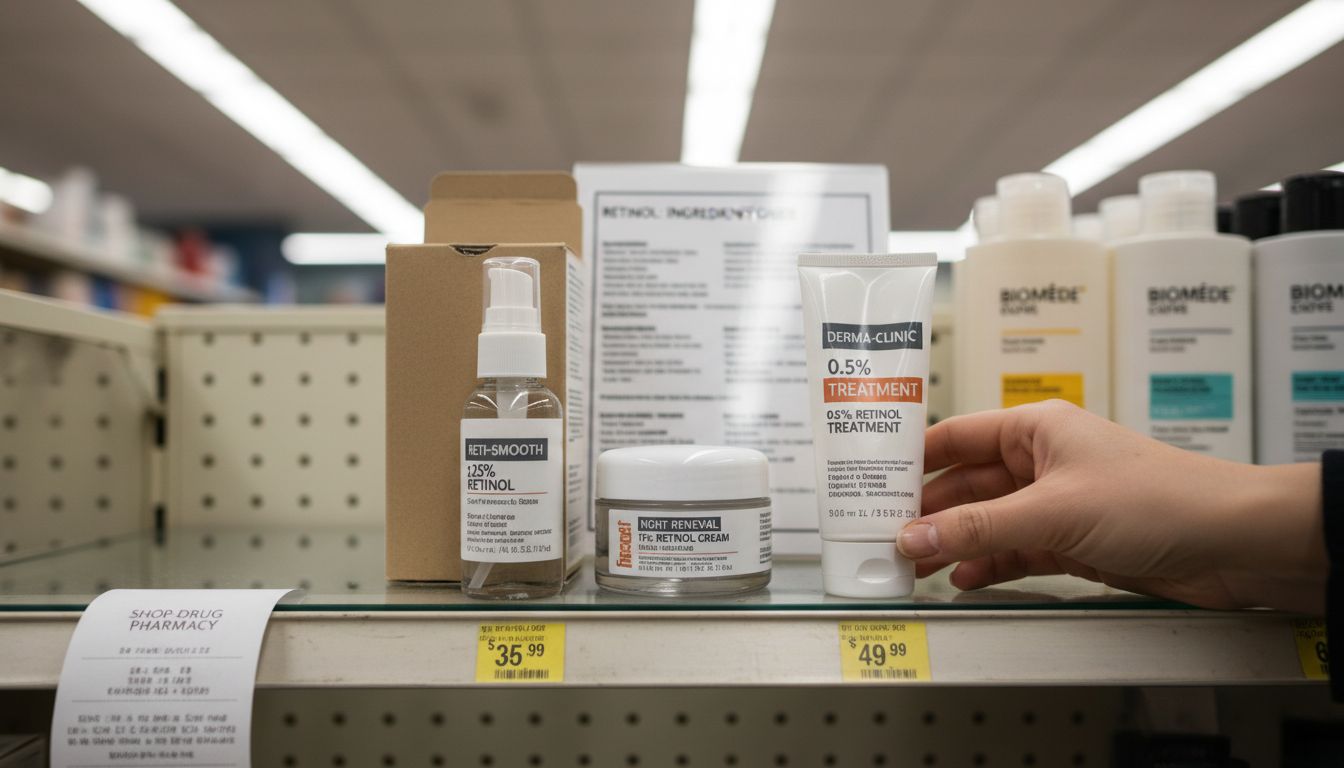
Understanding concentration levels is crucial when selecting a retinol product. Beginners should start with lower percentages (0.01% to 0.03%) and slowly progress to higher strengths. Concentrations above 0.5% are typically recommended for experienced users seeking more intensive skin renewal, while gentler formulations provide an excellent entry point for those new to retinol treatments.
Key Skincare Benefits of Retinol
Retinol stands as a transformative ingredient in modern skincare, offering a comprehensive approach to addressing multiple skin concerns simultaneously. Its powerful cellular regeneration properties make it a gold standard for individuals seeking comprehensive skin improvements. From combating signs of aging to managing problematic skin conditions, retinol delivers remarkable results across diverse skin types and ages.
The primary skincare benefits of retinol include:
- Anti-Aging Protection: Stimulates collagen production
- Breakouts Management: Prevents pore clogging and reduces breakouts
- Hyperpigmentation Treatment: Fades dark spots and evens skin tone
- Texture Refinement: Smooths rough skin and minimises fine lines
- Cell Turnover Acceleration: Promotes faster skin renewal
Precise targeting of skin concerns becomes possible with specialized formulations like the Vivier Retinol 0.5%, which offers controlled potency for systematic skin improvement. These targeted treatments allow users to address specific concerns while maintaining skin health and preventing premature aging.
Beyond cosmetic improvements, retinol works at a cellular level to enhance overall skin resilience. By increasing cell turnover, it helps remove damaged skin cells, reduces visible redness, and creates a more uniform complexion. Regular use can lead to significant improvements in skin texture, tone, and appearance, making it an essential component of a comprehensive skincare strategy for Canadians seeking radiant, healthy skin.
Proper Application and Safety Tips
Navigating the world of retinol requires a strategic and patient approach to ensure optimal results and minimal skin irritation. Introducing retinol into your skincare routine is not a one-size-fits-all process, but rather a carefully tailored journey that demands mindful implementation and understanding of your skin’s unique tolerance levels.
Here’s a comprehensive guide to safely incorporating retinol into your skincare regimen:
- Start Slowly: Begin with application 1-2 times per week
- Low Concentration: Use products with 0.01% to 0.03% retinol initially
- Night-Time Application: Always apply retinol in your evening skincare routine
- Layering Technique: Apply on clean, dry skin before moisturizer
- Sun Protection: Use broad-spectrum SPF during the day, as retinol can increase skin sensitivity
For those with sensitive skin seeking a gentle introduction, ZO Retinol Skin Brightener 0.5% offers a controlled approach to retinol integration. Gradually increase frequency as your skin builds tolerance, which can take several weeks to months. Watch for signs of irritation like redness, dryness, or excessive peeling, and adjust your usage accordingly.
Crucial safety tips include avoiding retinol if pregnant or breastfeeding, performing a patch test before full application, and always following with a hydrating moisturizer. Complementing your retinol routine with proper sun protection and gentle skincare will maximise benefits while minimising potential adverse reactions. Remember, skincare is a personal journey of discovery and patience.
Potential Side Effects and What to Avoid
Retinol, while a powerful skincare ingredient, can trigger various side effects that require careful management and proactive prevention. Understanding these potential reactions is crucial for anyone considering incorporating retinol into their skincare routine. Skin sensitivity varies widely, making individual experiences with retinol unique and unpredictable.
Common side effects and potential complications include:
- Skin Irritation: Redness, burning, or stinging sensations
- Dryness: Flaking and peeling of skin surface
- Increased Sensitivity: Enhanced reactivity to sunlight
- Purging: Temporary increase in breakouts during initial use
- Hyperpigmentation: Potential darkening of skin in rare cases
Users with sensitive skin should be particularly cautious and consider Vivier Retinol 0.5% as a gentler introduction to retinol treatments. Certain ingredients and practices can exacerbate potential side effects, so understanding what to avoid is as important as the application itself.
To minimise risks, avoid combining retinol with other potentially irritating ingredients like benzoyl peroxide, vitamin C, or AHA/BHA exfoliants. Discontinue use if severe irritation occurs, and always consult a dermatologist if you experience persistent adverse reactions. Pregnant individuals, those with extremely sensitive skin, or people undergoing aggressive skin treatments should steer clear of retinol entirely. Patience and careful observation are your best allies in navigating potential side effects.
Retinol Versus Other Skincare Actives
In the diverse landscape of skincare ingredients, retinol stands out as a uniquely powerful and multifaceted active ingredient. While other skincare compounds often specialise in addressing singular concerns, retinol offers a comprehensive approach to skin transformation by targeting multiple aspects of skin health simultaneously.
Key comparisons with other skincare actives reveal retinol’s distinctive advantages:
- Vitamin C: Focuses on brightening and antioxidant protection
- Hyaluronic Acid: Primarily provides hydration
- Niacinamide: Targets oil control and pore minimization
- Peptides: Supports collagen production
- Retinol: Comprehensively addresses aging, texture, and cell renewal
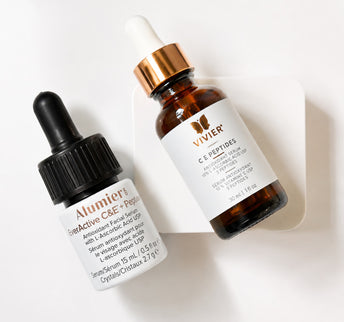
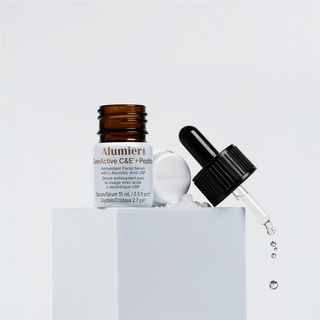
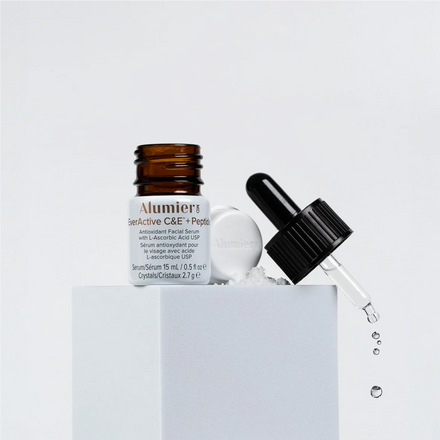
Understanding the nuanced differences between skincare actives becomes crucial for developing an effective routine. AlumierMD EverActive vs. Vivier CE Peptides highlights the complementary nature of different active ingredients, demonstrating that while each compound has unique strengths, strategic combination can amplify overall skincare results.
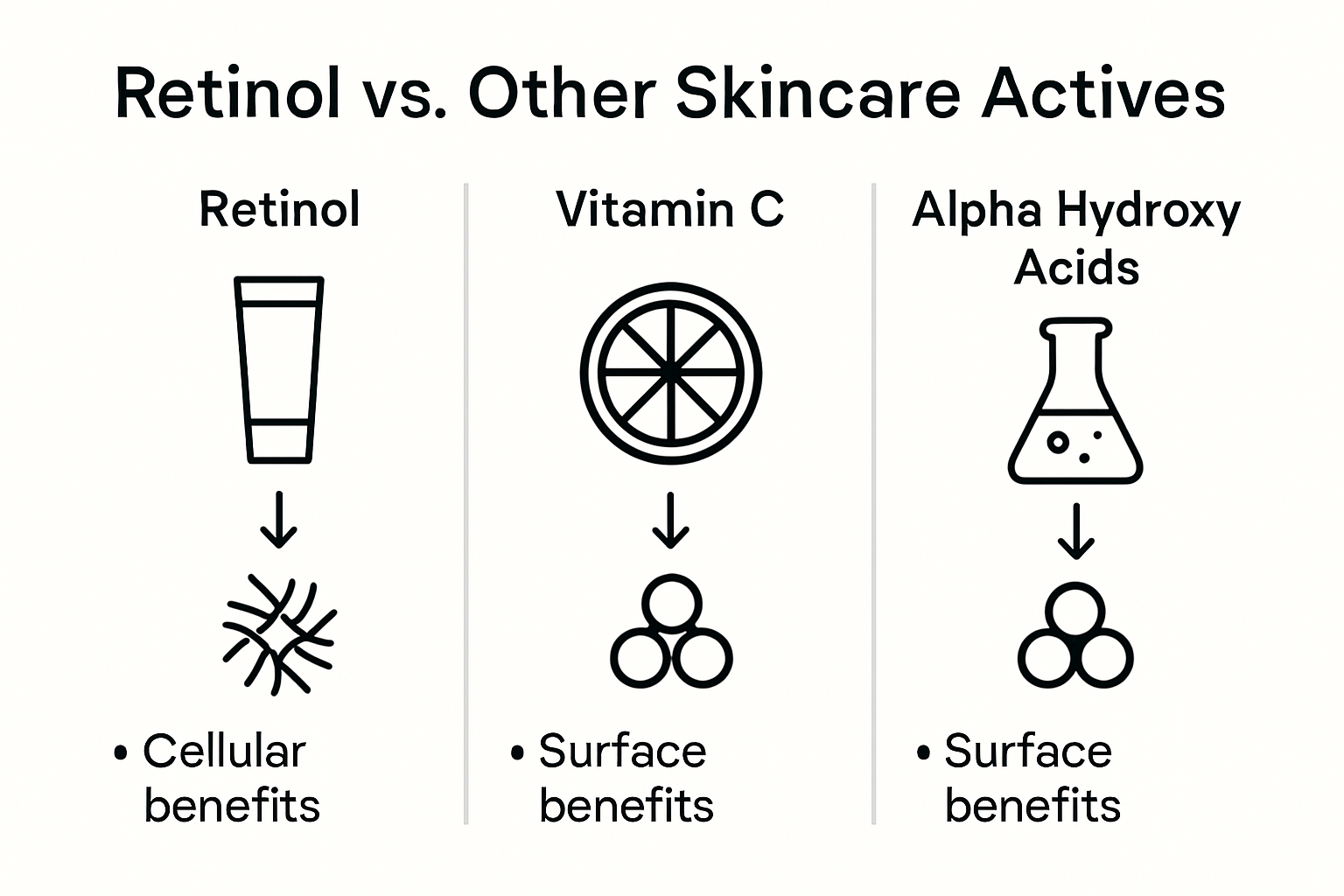
Unlike many skincare ingredients that provide surface-level improvements, retinol works at a cellular level to fundamentally transform skin architecture. Its ability to accelerate cell turnover, stimulate collagen production, and regulate skin metabolism sets it apart from more superficial treatments. While other actives offer valuable benefits, retinol remains the gold standard for comprehensive skin renewal and long-term dermatological health.
Unlock Radiant Skin with Expert Retinol Solutions
If you have struggled with uneven skin texture, fine lines, or hyperpigmentation, the powerful benefits of retinol explained in this article offer a clear path to healthier skin. Many Canadians face challenges like sensitivity or irritation when starting retinol treatments. Understanding the right concentration and application methods is critical to success. At wedoskin.ca, you will find premium medical grade skincare products tailored specifically to your needs, including gentle yet effective options like ZO Retinol Skin Brightener or the controlled potency of Vivier Retinol 0.5%.
Take control of your skincare journey by choosing from our carefully curated retinol treatments and enjoy the confidence of radiant, rejuvenated skin. Visit wedoskin.ca today to explore trusted brands and experience hassle-free shopping with exclusive promotions and expert customer support. Your transformation starts now.
Frequently Asked Questions
What is retinol and how does it work?
Retinol is a derivative of Vitamin A that helps stimulate cell turnover and collagen production, leading to smoother skin and reduced signs of aging.
What are the primary benefits of using retinol in skincare?
Retinol offers multiple benefits including anti-aging protection, breakouts management, treatment of hyperpigmentation, refinement of skin texture, and acceleration of cell turnover.
How should I start using retinol in my skincare routine?
Begin by using a low concentration product (0.01% to 0.03%) once or twice a week, gradually increasing frequency as your skin builds tolerance.
What side effects can I expect from using retinol?
Common side effects include skin irritation, dryness, increased sensitivity, temporary breakouts (purging), and in rare cases, hyperpigmentation. It’s important to introduce retinol slowly and monitor your skin’s reaction.
Recommended
- 7 Essential Skincare Tips for Canadians Seeking Healthier Skin
- ZO Retinol Skin Brightener 0.25% | Gentle Dark Spot Treatment
- Retinol Strength Guide: 0.25% vs 0.5% vs 1.0% Explained | WeDoSkin
- ZO Retinol Skin Brightener 1% | Even Tone & Dark Spot Treatment
- Hair and Skin Care: Expert Tips for Stronger Growth 2025 | MyHair
