



The 8 Best Peptide Serums in Canada, Ranked (2026 Clinical Guide)
Peptides have a labelling problem. The word appears on a $9 moisturizer and a $299 regenerative serum, and legally both are telling the truth — which makes the word itself useless. What actually matters is which peptides, at what dose, with what delivery system — and whether anyone tested the finished formula on real faces. Peptides are fragile, expensive messenger molecules; sprinkle them into a cheap base at a homeopathic dose and you've made a moisturizer with better marketing.
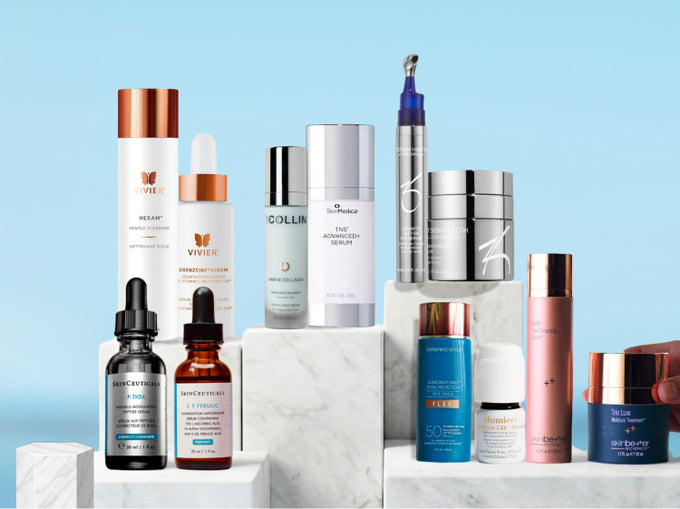
This countdown ranks the eight peptide serums in Canada that pass that bar — from injectable-companion formulas to growth-factor hybrids — across eight professional houses we stock as a Preferred Authorized Canadian Retailer: NEOCUTIS, SkinCeuticals, Vivier, AnteAGE, skinbetter science, G.M. Collin, AlumierMD and Luzern. That access also means we see the reorder data — what people actually buy again once the marketing wears off. We count down from #8; the crown sits at the bottom.
The podium, if you're in a hurry
NEOCUTIS Bio Serum Firm
Growth factors and peptides in one Swiss clinical heavyweight. $270
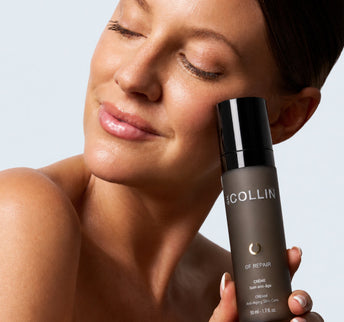
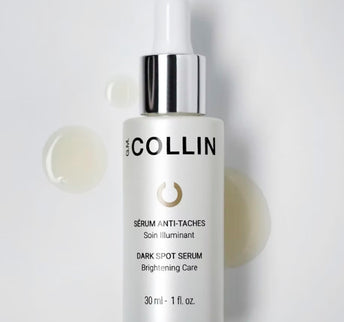
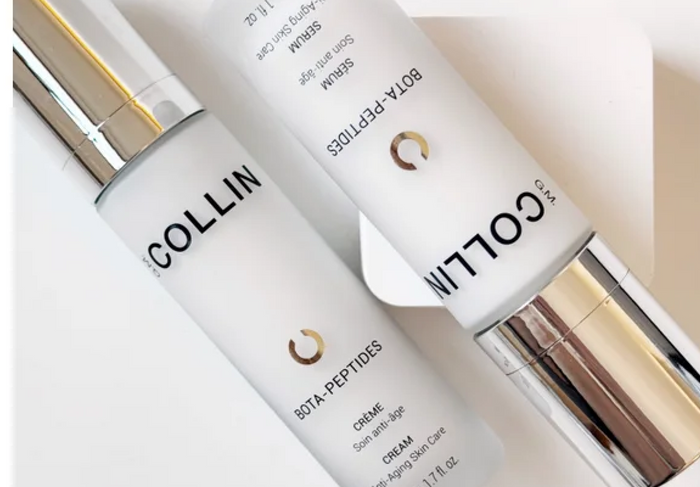
G.M. Collin Bota-Peptides
Clinic-grade line relaxing, made in Montreal, under $150. $142
AnteAGE MD Biosome
Stem-cell regenerative science at the ceiling of home care. $299
How we ranked them
Four filters, in order. Signal sophistication — targeted peptide systems and growth-factor hybrids outrank single-peptide formulas. Evidence — testing on the finished serum, not the raw ingredient. Experience — texture, layering behaviour, and how it plays with retinol and vitamin C, because a serum you dread using is a serum that stops working in week three. And reorder rate — what WeDoSkin customers come back for. First purchases measure marketing; repurchases measure results.
The countdown: #8 to #1


The full ranking at a glance
| # | Serum | Wins for | Key actives | Price |
|---|---|---|---|---|
| 1 | NEOCUTIS Bio Serum Firm | Best overall · firmness | PSP growth factors + MPC peptides | $270.00 |
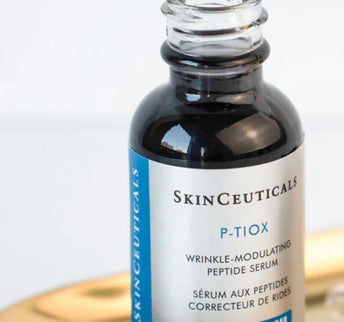
| 2 | SkinCeuticals P-TIOX | Expression lines | Neuro-peptides + 5% niacinamide | $190.00 |
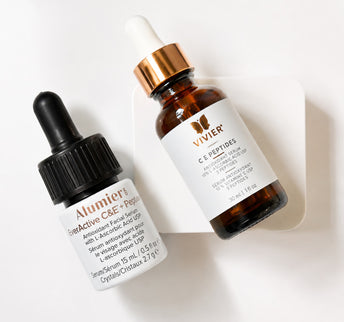
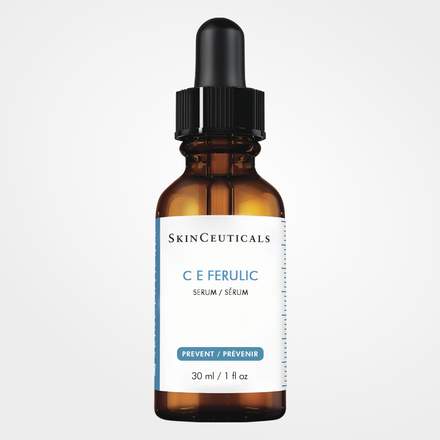
| 3 | Vivier C E Peptides | Peptides + vitamin C | Vitamin C USP + E + peptides | $222.00 |
| 4 | AnteAGE MD Biosome | Best splurge · regeneration | Stem-cell growth factors | $299.00 |
| 5 | SkinBetter InterFuse Lines | Targeted lines | Peptides + HA delivery | $195.00 |
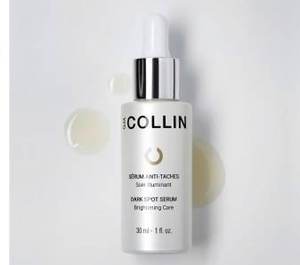
| 6 | G.M. Collin Bota-Peptides | Best value | Expression-relaxing peptides | $142.00 |
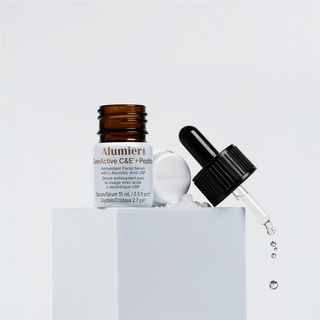
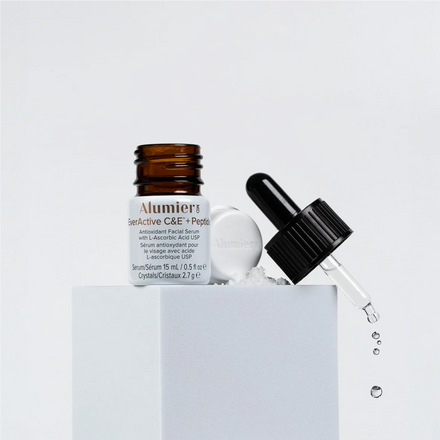
| 7 | Alumier EverActive C&E + Peptide | Best entry price | 15% vitamin C + peptides | $100.50 |
| 8 | Luzern Firming Booster | Luxury clean | Bio-organic peptide complex | $268.00 |
Three mistakes that waste your peptide money
1. Buying peptides before the basics. A $270 peptide serum on unprotected skin is philanthropy for the sun. Daily SPF first, then peptides — collagen you protect is worth more than collagen you commission.
2. Expecting Botox from a bottle. Neuro-inspired peptides soften the look of expression lines; they do not paralyze muscle, and anyone promising otherwise is selling. Set the right expectation and these serums over-deliver; set the wrong one and nothing will.
3. Quitting before the collagen shows up. Peptides work on remodelling timelines — 8 to 12 weeks minimum. The glow in week one is hydration; the firmness in month three is the product working. If you're unsure which you're seeing, ask our clinical team.
Frequently asked questions
What do peptides do for your skin?
Peptides are short chains of amino acids that act as messengers. Signal peptides tell skin to build more collagen and elastin, neuro-inspired peptides soften the micro-contractions behind expression lines, and carrier peptides deliver minerals that support repair. Because they instruct rather than exfoliate, peptides work without irritation — the result over 8–12 weeks is firmer, smoother, more resilient skin.
Are peptides better than retinol?
They do different jobs, and the strongest routines use both. Retinol accelerates cell turnover and remains the gold standard for texture, but it can irritate and demands a ramp-up. Peptides build and instruct without irritation, making them ideal for sensitive skin, daytime use and layering. Peptides in the morning, retinol at night is the classic pairing.
Can a peptide serum replace Botox?
No topical replicates an injectable — anyone claiming otherwise is selling something. What neuro-inspired serums like P-TIOX and Bota-Peptides genuinely do is visibly soften the look of expression lines and extend results between appointments — which is exactly how medical clinics use them.
Can I use peptides with vitamin C or retinol?
Yes, and you should. Vitamin C supplies the raw material collagen synthesis needs while peptides direct the build — Vivier C E Peptides and Alumier EverActive combine them in one bottle for that reason. With retinol, apply the peptide serum first, or keep peptides in the morning and retinol at night.
What is the difference between peptides and growth factors?
Peptides are small, targeted messengers; growth factors are larger, more complex proteins that coordinate broader regeneration — wound recovery, collagen architecture, visible redness control. Hybrids like Bio Serum Firm and AnteAGE Biosome run both signal systems at once, which is why they anchor the premium end of this ranking.
What age should you start using peptide serums?
There's no magic age, but the logic is preventive: collagen production declines roughly 1% per year from your mid-twenties. Most people get meaningful value starting peptides in their late twenties to thirties as prevention, while the growth-factor hybrids earn their price best on 40+ skin where firmness and elasticity are the visible complaints.
How long do peptide serums take to work?
Hydration and surface smoothness improve within days, but collagen remodelling is slow biology. Expect visible firming and softened lines at 8–12 weeks of daily use, with continued improvement beyond — peptides reward consistency more than any other active category in anti-aging.
Are medical-grade peptide serums worth it over drugstore versions?
More than in any other category. Peptides are fragile, expensive molecules that need the right concentration, stability and delivery to reach living skin — a label that says “peptides” tells you nothing about dose or penetration. Medical-grade lines validate the finished serum, use patented delivery technologies, and ship fresh through authorized channels — the difference between a serum that moisturizes and one that remodels.
Which peptide serum is best for sensitive skin?
Peptides as a class are gentle, so sensitive skin has real options here. Luzern's Firming Booster pairs its peptide complex with a clean, fragrance-conscious Swiss base, and Alumier's EverActive buffers its vitamin C in a calming formula. If your skin reacts to everything, peptides are usually the right anti-aging lane — our free consultation can build your shortlist.
Do you ship these peptide serums across Canada?
Yes. WeDoSkin.ca is a Preferred Authorized Canadian Retailer of every brand in this ranking — NEOCUTIS, SkinCeuticals, Vivier, AnteAGE, skinbetter science, G.M. Collin, AlumierMD and Luzern — with authentic, fresh stock shipped quickly nationwide, free over $65.
Why Canadians Choose WeDoSkin
Trusted by more than 100,000 customers, WeDoSkin.ca is a Preferred Authorized Retailer of medical-grade skincare in Canada — 45+ professional brands and 3,000+ products, with cashback rewards that never expire, 100-day returns, free Canada-wide shipping over $65, and free samples in every order.
Not sure which one is yours?
Firmness, expression lines and regeneration each want a different peptide. Our clinical team will match the right formula to your skin — authentic product, expert guidance.
Book a free consultationReviewed under medical oversight
This guide is reviewed by Dr. J. Porter, Medical Reviewer at the WeDoSkin Clinic in Calgary. As a Preferred Authorized Retailer, our clinical team works with these brands every day. Educational information, not a substitute for personalized medical advice. Our medical-review standards →
