



The 8 Best Dark Spot Correctors in Canada, Ranked (2026 Clinical Guide)
Dark spots are the concern people spend the most money on with the least to show for it. The average bathroom shelf holds two or three abandoned “brightening” products — each quit at week three, right before pigment actually starts to move.
The truth about pigment: it is the slowest concern in skincare to correct, and the fastest to come back if you treat it casually. Melanin responds to consistent multi-pathway formulas and daily SPF — not to a single hero ingredient used whenever you remember.
That is why this category belongs to medical-grade: clinically dosed tranexamic acid, arbutin, kojic acid, niacinamide and retinol, combined so several pigment pathways get shut down at once.
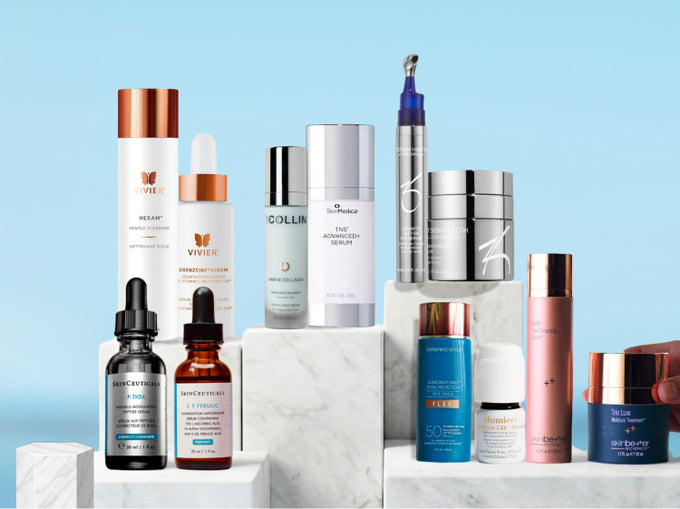
This countdown ranks the eight dark spot correctors we trust across seven professional houses we stock as a Preferred Authorized Canadian Retailer — SkinCeuticals, Obagi, AlumierMD, SkinBetter Science, ZO Skin Health, Vivier and Environ — covering every pigment problem: sun spots, post-post-blemish marks, stubborn stubborn dark spots and overall uneven tone. We count down from #8; the crown sits at the bottom.
The podium, if you're in a hurry
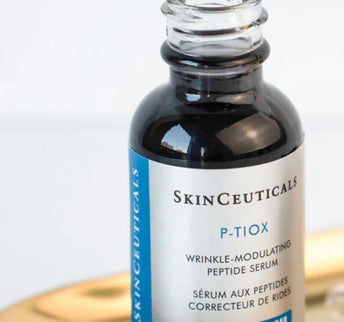
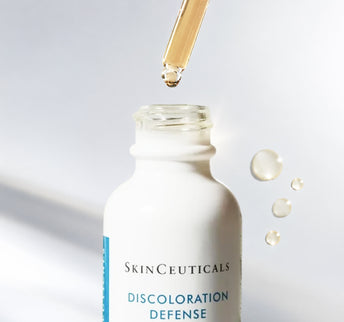
SkinCeuticals Discoloration Defense
Tranexamic + kojic + niacinamide — the category benchmark. $172
Obagi Nu-Derm Clear Fx
7% arbutin for the most stubborn pigment. $176
How we ranked them
Four filters. Pathway coverage — how many pigment mechanisms the formula addresses, because single-ingredient brighteners lose to multi-pathway blends. Evidence at the dose — clinically studied concentrations, not homeopathic sprinkles of the same names. Tolerability — pigment correction takes 12 weeks, so a formula skin can't live with for 12 weeks doesn't count. And reorder rate — which correctors our customers buy again after seeing their own before-and-after. First purchases measure marketing; repurchases measure results.
The countdown: #8 to #1


The full ranking at a glance
| # | Corrector | Wins for | Key actives | Price |
|---|---|---|---|---|
| 1 | SkinCeuticals Discoloration Defense | Best overall | Tranexamic + kojic + niacinamide | $172.00 |
| 2 | Obagi Nu-Derm Clear Fx | Stubborn stubborn dark spots | 7% arbutin | $176.00 |
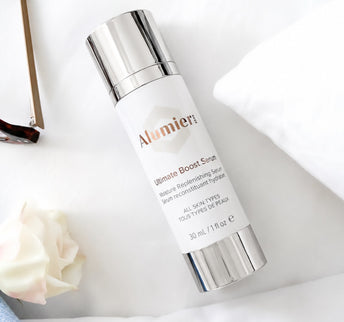
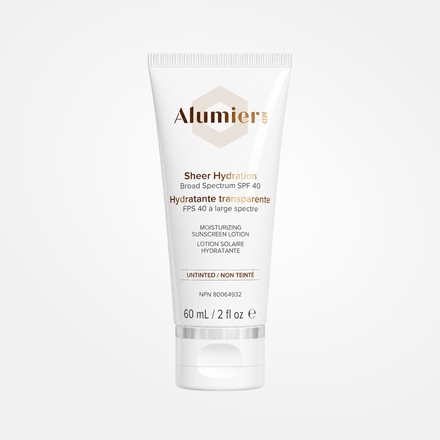
| 3 | Alumier Bright & Clear Solution | Best value · daily | Brightening + gentle acids | $70.00 |
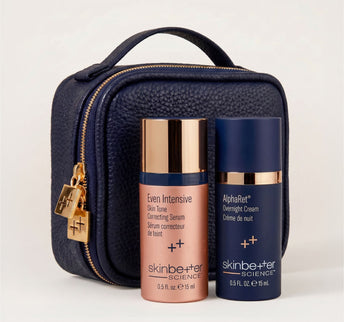
| 4 | SkinBetter Even Tone | Luxe all-rounder | b.r.y.t. complex, HQ-free | $220.00 |
| 5 | ZO Retinol Skin Brightener 1% | Pigment + aging | 1% retinol + brighteners | $125.00 |
| 6 | Vivier Radiance Serum | Pigment + texture | Brightening complex | $181.00 |
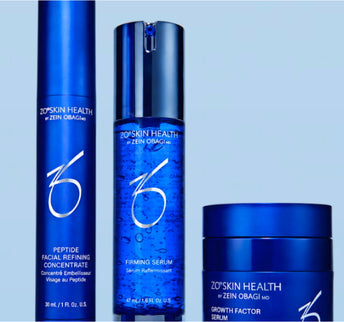
| 7 | ZO Brightalive | No-retinol routines | Multi-pathway, retinol-free | $190.00 |
| 8 | Environ Mela-Even Cream | Diffuse dullness | Vitamin C complex | $90.00 |
Three mistakes that keep dark spots alive
1. Caring for pigment without sunscreen. Every unprotected UV exposure re-activates the melanocytes your corrector is trying to calm. A brightening routine without daily broad-spectrum SPF isn't slow — it's cancelled.
2. Quitting at week four. Pigment sits deep and helps visibly clear on skin-cycle time: first change around week 6–8, real correction by week 12. Take a photo on day one, because the mirror lies about gradual progress and the camera doesn't.
3. Picking, squeezing and scrubbing. Post-inflammatory pigmentation is the skin's receipt for trauma — every picked breakout and aggressive scrub session mints the next dark spot. Treat active breakouts gently and let the correctors do the erasing.
Frequently asked questions
What actually causes dark spots?
Localized overproduction of melanin — triggered most often by UV exposure, post-inflammatory pigmentation from breakouts or irritation, and hormones (stubborn dark spots). The trigger shapes the treatment: sun spots respond fastest to brighteners plus SPF, post-post-blemish marks to exfoliation plus brighteners, stubborn dark spots to the most disciplined multi-ingredient approach.
What is the best ingredient for dark spots?
There isn't one — the best correctors combine several pathways. Tranexamic and kojic acid interrupt production, arbutin slows the tyrosinase enzyme, niacinamide blocks pigment transfer, retinol lifts existing spots out, and vitamin C brightens and defends. That's why the #1 pick hits four pathways at once.
How long does it take to fade dark spots?
Pigment fades on skin-cycle time, not marketing time: first visible softening around 6–8 weeks, meaningful correction at 12 — faster for fresh post-post-blemish marks, slower for deep sun damage and stubborn dark spots. Daily sunscreen is what locks progress in.
Do dark spot correctors work on stubborn dark spots?
Yes, but stubborn dark spots is the most stubborn pigment condition — hormonally driven, and it recurs with heat and UV. It responds best to serious multi-ingredient correctors like Obagi Clear Fx or Discoloration Defense, strict daily mineral SPF, and patience. It's also the one case where professional guidance genuinely changes outcomes.
Can I use a dark spot corrector with retinol?
Usually yes — they're natural partners: retinol speeds the turnover that helps visibly clear pigment while the corrector shuts down new production. Corrector in the morning, retinol at night is the clean split. If your corrector already contains retinol — like ZO's Retinol Skin Brightener — don't stack a second one.
Is hydroquinone still the gold standard?
It's effective but restricted in Canada and unsuitable for indefinite use. The modern medical-grade generation — tranexamic acid, arbutin, kojic acid, niacinamide blends — delivers comparable real-world results with better long-term safety, which is why every pick in this ranking is hydroquinone-free.
Why is sunscreen essential when caring for dark spots?
UV is the accelerator pedal for pigment — every unprotected exposure re-stimulates the melanocytes you're trying to calm. A corrector without daily broad-spectrum SPF is a treatment fighting itself. SPF isn't an add-on to a brightening routine; it's half the treatment.
Do drugstore dark spot products work?
Some help mildly, but pigment correction is dose-and-stability dependent. Medical-grade correctors use clinically studied concentrations, stabilized actives and multi-pathway formulas — the difference between a spot looking slightly less obvious and actually fading. That reliability is the case for authorized medical-grade.
Can dark spot correctors be used on all skin tones?
Yes — and deeper skin tones benefit most from the modern hydroquinone-free generation, which corrects without halo lightening or rebound risk. Deeper tones are also more prone to post-inflammatory pigmentation, so gentle formulation and daily SPF matter even more. SkinBetter Even Tone was studied across the full tone spectrum.
Do you ship these dark spot correctors across Canada?
Yes. WeDoSkin.ca is a Preferred Authorized Canadian Retailer of every brand in this ranking — SkinCeuticals, Obagi, AlumierMD, SkinBetter Science, ZO Skin Health, Vivier and Environ — with authentic, fresh stock shipped quickly nationwide, free over $65.
Why Canadians Choose WeDoSkin
Trusted by more than 100,000 customers, WeDoSkin.ca is a Preferred Authorized Retailer of medical-grade skincare in Canada — 45+ professional brands and 3,000+ products, with cashback rewards that never expire, 100-day returns, free Canada-wide shipping over $65, and free samples in every order.
Not sure which one is yours?
Sun spots, post-post-blemish marks and stubborn dark spots each answer to a different corrector — and pigment punishes guessing. Our clinical team will match the right one to your skin — authentic product, expert guidance.
Book a free consultationReviewed under medical oversight
This guide is reviewed by Dr. J. Porter, Medical Reviewer at the WeDoSkin Clinic in Calgary. As a Preferred Authorized Retailer, our clinical team works with these brands every day. Educational information, not a substitute for personalized medical advice. Our medical-review standards →
