




Redness-Prone Skin Guide: Causes, Triggers & Best Products
Causes, triggers, and the medical-grade products that calm rosacea-prone skin.
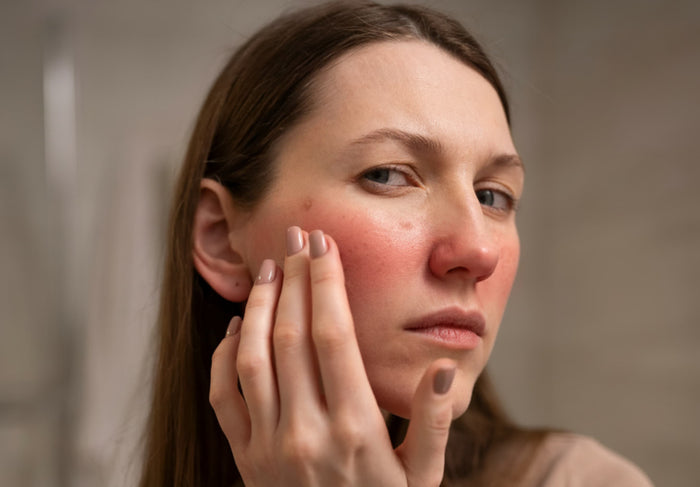
Redness-prone skin is a chronic inflammatory skin condition most often associated with persistent redness, flushing, visible blood vessels, bumps, sensitivity, and in some cases eye irritation. The most effective long-term strategy is a protocol: trigger reduction, barrier repair, calming actives, and daily mineral UV protection.
What Is Redness-prone skin?
Redness-prone skin is a chronic inflammatory condition that usually affects the central face — cheeks, nose, chin, and forehead. It can look like persistent flushing at first, but over time may progress into longer-lasting redness, visible capillaries, heat, sensitivity, papules, pustules, or ocular symptoms.
What makes redness-prone skin clinically frustrating is that it does not behave like ordinary sensitivity. The skin becomes reactive, the barrier becomes less resilient, and everyday exposures like heat, UV, stress, or aggressive products can trigger visible flares.
Redness-prone skin is multifactorial — there is not one single cause. Most patients experience a combination of vascular reactivity, visible redness, trigger sensitivity, barrier dysfunction, and in some cases microbiome-related aggravation.
-
01Vascular Reactivity Blood vessels flush easily and visible redness becomes harder to calm over time.
-
02Inflammatory Signaling Skin overreacts to triggers, increasing redness, heat, stinging, and bumps.
-
03Barrier Weakness A compromised barrier allows irritants to penetrate more easily, worsening sensitivity.
-
04Trigger Overload Heat, sunlight, spicy foods, hot drinks, stress, exercise, and harsh products all drive flares.
 Daily UV Defense
- Persistent redness that does not resolve on its own
- Frequent flushing
- Visible blood vessels (capillaries)
- Ongoing irritation or sensitivity
- Breakouts-like breakouts that don’t respond to traditional blemish care
Redness-prone skin triggers are highly individual, but certain patterns show up repeatedly. The mistake most people make is trying to "treat" redness while continuing to expose the skin to the exact factors that keep it inflamed.
- Sun exposure and accumulated UV stress
- Heat, overheating, saunas, hot showers, and hot rooms
- Spicy foods, alcohol, and very hot beverages
- Stress, anxiety, and intense exercise
- Over-exfoliation, harsh acids, scrubs, and stripping cleansers
- Fragrance-heavy or overly active skin care routines
- Trigger control — fewer flare-provoking exposures
- Barrier stabilization — less irritation, better tolerance
- Daily UV defense — reduced redness amplification
The best redness-prone skin routine is less about aggression and more about control. Think calm, consistent, protective, and barrier-first.
"Redness-prone skin improves fastest when you stop caring for it like breakouts, stop provoking it like sensitivity, and start managing it like a chronic inflammatory condition."
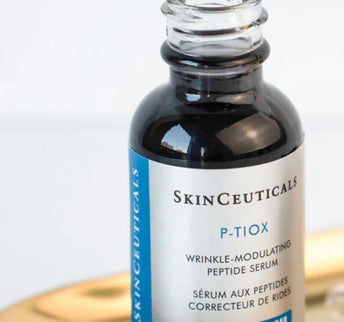
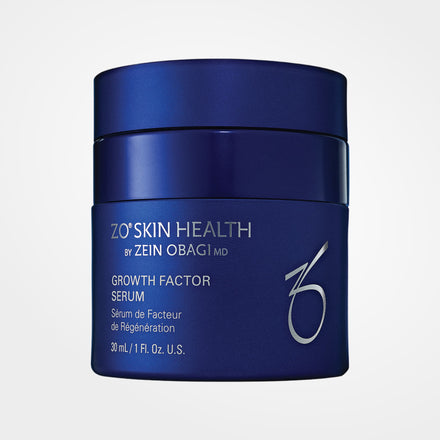
WeDoSkin Clinical PerspectiveWhen it comes to caring for redness-prone skin and persistent redness, consistency with clinically formulated skincare is key. Products like ZO Rozatrol and SkinCeuticals Phyto Corrective are designed to reduce visible redness, normalize the skin, and strengthen the barrier leading to visible improvements in redness, texture, and overall skin comfort over time.


Redness-prone skin-prone skin doesn’t need more products, it needs the right ones, used in the right order. A targeted, barrier-first approach is key to reducing irritation, calming visible redness, and restoring balance.
| Category | Why It Matters | Primary Goal | What to Avoid |
|---|---|---|---|
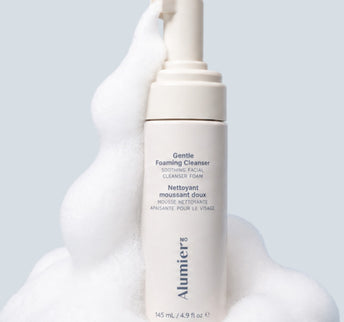
| Gentle Cleanser Barrier-First | Removes debris without stripping already-reactive skin. | Reduce irritation from cleansing itself. | Foaming sulfates, scrubs, aggressive exfoliating washes. |
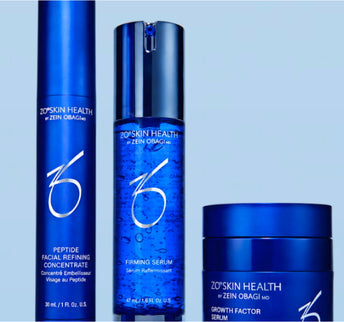
| Calming Serum Redness Support | Helps reduce the look of redness and discomfort while improving tolerance. | Lower reactivity and improve day-to-day comfort. | Strong acids and "tingly" actives marketed as instant fixes. |
| Barrier Repair Moisturizer Resilience | Supports skin comfort, hydration retention, and a less fragile barrier. | Decrease tightness, dryness, and stinging. | Overly rich fragranced creams that trap heat or irritate. |
| Mineral Sunscreen Daily Essential | UV exposure is a common redness-prone skin trigger and redness amplifier. | Prevent flares and protect vulnerable skin daily. | Skipping SPF or using formulas the skin cannot tolerate. |
Strong candidates within a well-built redness-control routine — chosen for their ability to calm visible redness, support the barrier, and reduce common irritation patterns.

Best for: persistent visible redness, sensitized skin, and long-term maintenance routines.
Clinical angle: Positioned specifically for red, sensitized and redness-prone skin-prone routines, with support for visible redness, surface oil balance, and overall skin normalization.
$128.00 CAD Shop ZO Rozatrol
Best for: hot, flushed, dehydration-prone skin that needs lightweight soothing support.
Clinical angle: A hydrating botanical gel-serum formulated to soothe, cool, and support the barrier in sensitive, redness-prone skin without adding heaviness.
$110.00 CAD Shop Phyto Corrective Gel
Best for: reactive, sensitized, redness-prone skin that needs comfort and reinforcement.
Clinical angle: Designed to support the skin barrier while helping reduce the look of redness, and sensitivity in compromised skin.
$136.00 CAD Shop Redness Solution Complex
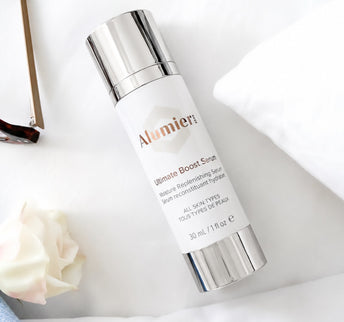
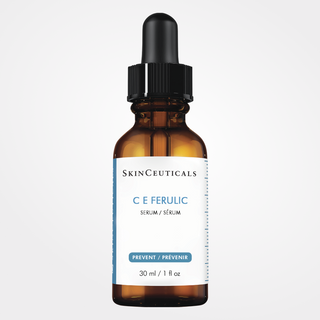
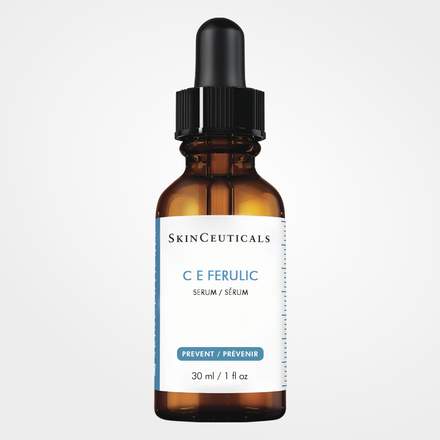
Best for: patients who want antioxidant protection in addition to redness-aware skin support.
Clinical angle: Features vitamin C, olive leaf extract, and vitamins E and A to support the appearance of sensitive, compromised, or mature skin.
$226.00 CAD Shop Pro-Health Serum Advanced+
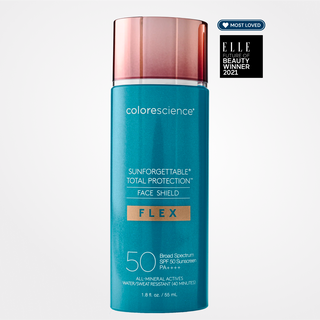
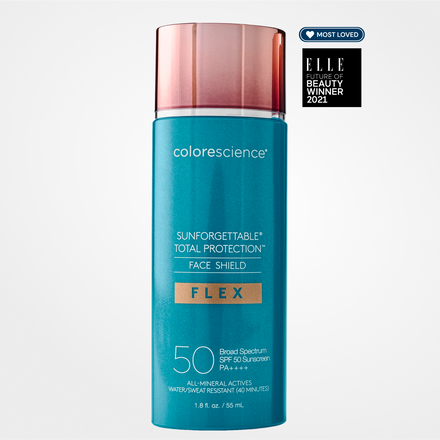
Best for: daily UV protection in redness-prone and sensitive skin routines.
Clinical angle: A 100% mineral, broad-spectrum SPF 50 formula that helps protect vulnerable skin from UV exposure — one of the most common redness-prone skin flare drivers.
$66.00 CAD Shop Physical Fusion UV DefenseRedness-prone skin responds best to precision, not product overload. Shop clinically selected formulas for redness-prone, sensitized skin and create a routine that protects, calms, and supports long-term skin stability.
Shop Medical-Grade SkincareReviewed under medical oversight
This guide is reviewed by Dr. J. Porter, Medical Reviewer at the WeDoSkin Clinic in Calgary. As a Preferred Authorized Retailer, our clinical team works with these brands every day. Educational information, not a substitute for personalized medical advice. Our medical-review standards →
