




Most people are surprised to learn that over two hundred ingredients can appear on Canadian skincare product labels. Choosing safe and effective products often feels confusing, especially when every bottle is packed with scientific names and unfamiliar terms. A detailed glossary of skincare ingredients can transform how you approach your routine, giving you real clarity about what you’re putting on your skin and why those choices matter for your health and confidence.
Table of Contents
- What Is A Skincare Ingredient Glossary?
- Types Of Skincare Ingredients Explained
- How Active Ingredients Benefit Skin
- Recognizing Allergens And Irritants
- Deciphering Labels On Canadian Products
Key Takeaways
| Point | Details |
|---|---|
| Skincare Ingredient Glossary | A glossary helps demystify skincare ingredients, allowing consumers to make informed choices about their products and understand their effects on different skin types. |
| Types of Ingredients | Ingredients are categorized into active, natural, and synthetic types, each serving unique functions in skincare routines. |
| Recognizing Allergens | Awareness of potential allergens and irritants is crucial for sensitive skin, and patch testing is recommended to prevent adverse reactions. |
| Decoding Labels | Understanding Canadian skincare labels and regulations helps consumers identify primary ingredients and make safer, informed product choices. |
What Is a Skincare Ingredient Glossary?
A skincare ingredient glossary is a comprehensive reference guide that decodes the complex scientific terminology behind skincare product formulations. Think of it as your personal decoder ring for understanding the mysterious world of ingredients listed on your favourite skincare products. These detailed resources help consumers navigate the intricate landscape of cosmetic science by explaining what each ingredient does, its potential benefits, and how it interacts with your skin.
In essence, a skincare ingredient glossary serves multiple purposes. It transforms complicated chemical names into digestible information, empowering consumers to make informed decisions about their professional skincare choices. By breaking down scientific terminology, these guides help you understand exactly what you’re putting on your skin. Whether you’re dealing with specific skin concerns like breakouts, aging, hyperpigmentation, or simply want to understand product labels, a well-crafted ingredient glossary becomes an invaluable tool in your skincare education.
Most comprehensive skincare ingredient glossaries cover a wide range of components, from naturally derived botanical extracts to synthetic compounds developed in advanced laboratories. They typically provide detailed information about each ingredient’s origin, molecular structure, specific skincare benefits, potential side effects, and recommended usage. Some advanced glossaries even categorize ingredients based on skin type, concern, or compatibility, making them incredibly useful for individuals seeking targeted skincare solutions.
Pro Tip: Cross-reference ingredients across multiple trusted sources and consult with skincare professionals to gain the most comprehensive understanding of how specific ingredients might interact with your unique skin profile.
Types of Skincare Ingredients Explained
Skincare ingredients can be broadly categorized into several fundamental types, each serving unique purposes in maintaining and improving skin health. Active ingredients are the powerhouse components that directly target specific skin concerns, such as retinol for aging, salicylic acid for breakouts, or vitamin C for brightening. These scientifically formulated compounds work at a cellular level to transform skin texture, tone, and overall appearance.
Naturally derived ingredients form another crucial category, drawing from botanical extracts and plant-based compounds that offer gentle yet effective skincare solutions. These ingredients include hydrating hyaluronic acid, soothing aloe vera, antioxidant-rich green tea extracts, and nourishing oils like jojoba and argan. Each natural ingredient brings its own set of molecular benefits, addressing everything from moisture retention to protecting against environmental stressors.
Chemical and synthetic ingredients represent a sophisticated realm of skincare science, engineered to provide targeted, predictable results. These include peptides that stimulate collagen production, ceramides that reinforce skin barriers, and advanced molecular compounds designed to penetrate deeper skin layers. Synthetic ingredients are often created to mimic natural processes or enhance the stability and efficacy of skincare formulations, offering precise solutions for complex skin concerns.
Pro Tip: Always patch test new ingredients and introduce them gradually into your skincare routine, particularly when combining multiple active compounds to prevent potential skin irritation or adverse reactions.
Here is a quick reference to common skincare ingredient types and their typical benefits:
| Ingredient Type | Example Ingredients | Main Function |
|---|---|---|
| Active Ingredients | Retinol, salicylic acid | Target skin concerns |
| Natural/Botanical | Jojoba oil, aloe vera | Hydration and soothing |
| Chemical/Synthetic | Peptides, ceramides | Stability and targeted results |
| Antioxidants | Vitamin C, green tea extract | Protect from free radicals |
How Active Ingredients Benefit Skin
Active ingredients are the powerhouse components that transform skincare from simple moisturizing to targeted therapeutic treatment. These scientifically engineered compounds work at a cellular level, addressing specific skin concerns with precision and effectiveness. Professional skincare brands leverage sophisticated active ingredients to deliver measurable improvements in skin texture, tone, and overall health.

Different active ingredients target distinct skin challenges through unique molecular mechanisms. Retinoids, for instance, accelerate cellular turnover and stimulate collagen production, effectively combating signs of aging and reducing fine lines. Hyaluronic acid attracts and retains moisture, creating a plump, hydrated complexion, while niacinamide regulates sebum production and minimizes pore appearance. Antioxidants like vitamin C protect against environmental damage, neutralizing free radicals and preventing premature skin aging by interrupting oxidative stress pathways.
The efficacy of active ingredients depends on concentration, formulation, and individual skin compatibility. Some ingredients work synergistically, enhancing each other’s performance, while others might cause irritation if combined incorrectly. Understanding the specific function of each active ingredient allows for strategic skincare routines that address multiple concerns simultaneously. Factors like molecular size, pH level, and delivery system significantly impact how effectively these compounds penetrate skin barriers and produce desired results.
Pro Tip: Layer active ingredients strategically, starting with thinner, water-based formulations and progressing to thicker, oil-based products to maximize absorption and minimize potential skin irritation.
Recognizing Allergens and Irritants
Allergens and irritants represent potentially harmful ingredients that can trigger adverse skin reactions, ranging from mild discomfort to severe inflammatory responses. Identifying these components is crucial for individuals with sensitive skin or those prone to allergic reactions. Vitamin C serum comparisons highlight how even potent skincare ingredients can cause unexpected sensitivities in some individuals.
Common skincare allergens include fragrances, essential oils, preservatives, and specific chemical compounds. Ingredients like methylisothiazolinone, formaldehyde, parabens, and synthetic fragrances are notorious for causing contact irritated skin, skin irritation, and allergic responses. Individuals with sensitive skin should be particularly cautious of ingredients such as alcohol, certain plant extracts, and chemical sunscreens, which can cause redness, and long-term skin barrier damage. Recognizing these potential irritants involves carefully reading ingredient lists and understanding individual skin sensitivities.
Different skin types react uniquely to various ingredients, making it essential to approach skincare with a personalized perspective. Patch testing becomes a critical strategy for identifying potential allergens before full-face application. People with conditions like very dry, easily irritated skin, redness-prone skin, or sensitive skin are more susceptible to ingredient-related reactions. Advanced skincare consumers often maintain detailed logs of ingredient interactions, tracking how specific compounds impact their skin’s health and appearance over time.
Pro Tip: Conduct a comprehensive patch test by applying a small amount of new product to your inner forearm and monitoring for any adverse reactions over 24-48 hours before introducing it to your primary skincare routine.
Deciphering Labels on Canadian Products
Navigating skincare product labels in Canada requires a nuanced understanding of regulatory requirements and ingredient classification standards. Cosmetic labelling is governed by strict Health Canada regulations, ensuring consumers receive transparent and accurate information about the products they purchase. Professional skincare brands must adhere to comprehensive guidelines that mandate detailed ingredient disclosures and specific formatting requirements.
Canadian product labels typically display ingredients in descending order of concentration, with the highest percentage components listed first. This hierarchical arrangement allows consumers to quickly identify primary ingredients and potential allergens. Manufacturers must use the International Nomenclature of Cosmetic Ingredients (INCI) system, which standardizes ingredient names using scientific terminology. Key information to look for includes the complete ingredient list, product purpose, manufacturer details, volume or weight, country of origin, and any specific usage instructions or warnings.
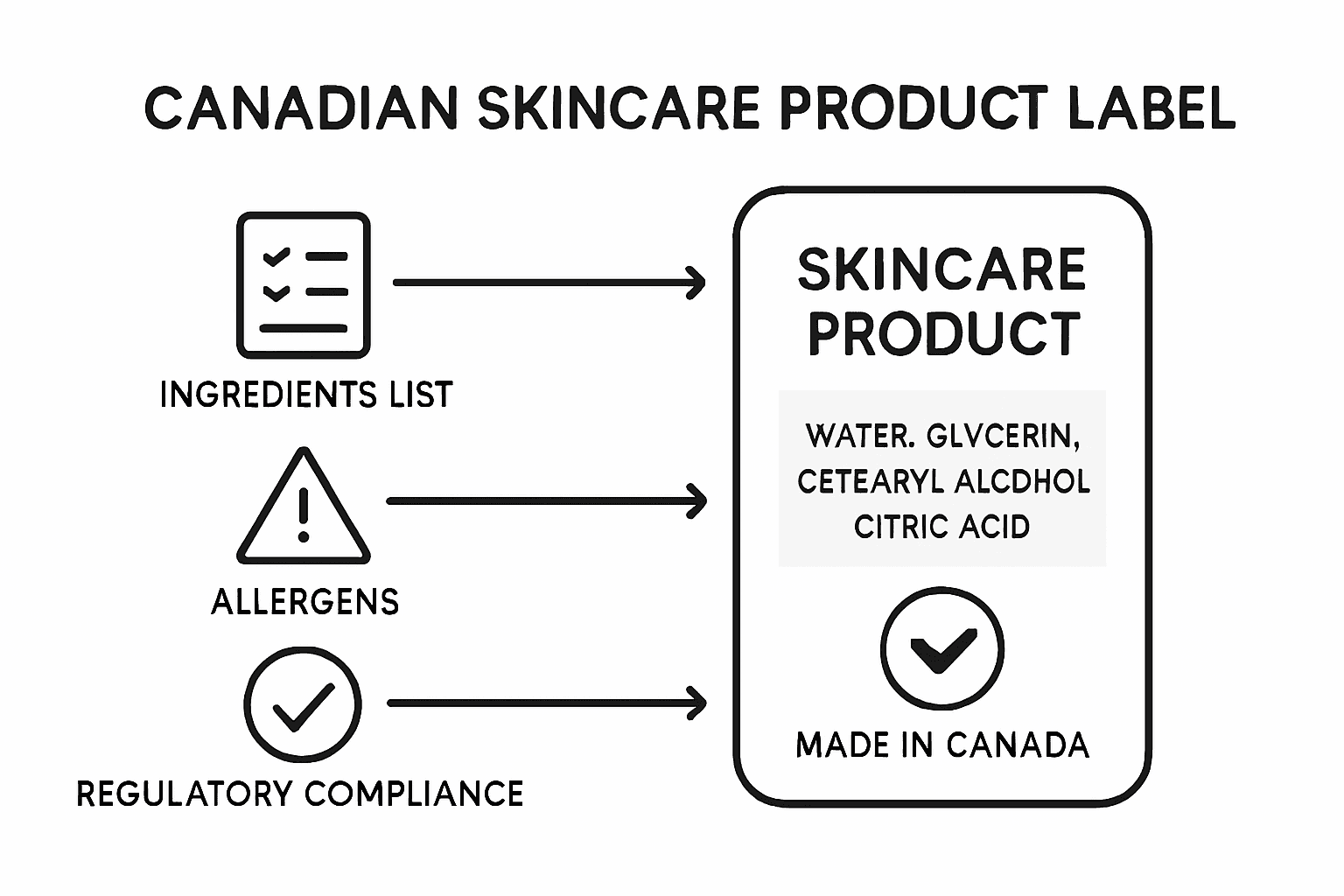
Beyond ingredient listing, Canadian regulations require additional critical information on skincare product labels. Symbols like the period-after-opening (PAO) icon indicate the product’s recommended use duration after initial opening, while specific storage instructions help maintain product efficacy. Consumers should pay close attention to symbols indicating hypoallergenic status, dermatologist testing, and specific skin type recommendations. Understanding these nuanced label elements empowers shoppers to make informed decisions about product safety, compatibility, and potential skin interactions.
To help you decode Canadian skincare labels, here is a summary of key label features and what they mean:
| Label Feature | What It Shows | Why It Matters |
|---|---|---|
| INCI Ingredient List | Standardized ingredient names | Consistent and transparent info |
| Order of Ingredients | From highest to lowest amount | Identifies main actives/allergens |
| Period-After-Opening Icon | Product lifespan once opened | Ensures product safety and efficacy |
| Manufacturer/Origin | Brand and country of origin | Indicates quality standards |
Pro Tip: Always photograph product labels or create a digital ingredient inventory to track which components work well or cause reactions, helping you build a personalised understanding of your skin’s unique sensitivities.
Unlock Your Perfect Skincare Formula with Expert Guidance
Understanding complex ingredients like retinol, peptides, and ceramides can feel overwhelming when choosing the right products for your unique skin needs. This article highlights the importance of decoding skincare labels and recognising active ingredients to avoid allergens and irritants. If you want to take the guesswork out of your skincare routine, it is essential to access trusted brands and professional formulas designed for Canadian skin types and concerns.
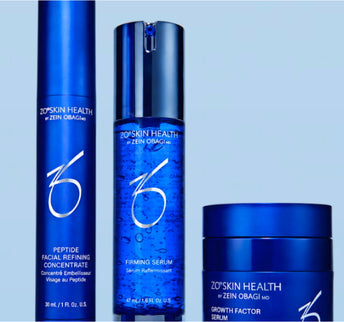
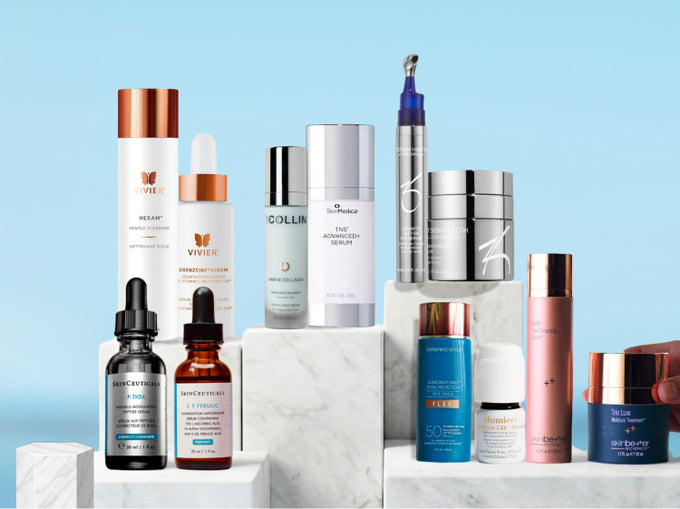
Discover a curated selection of medical grade skincare from ZO Skin, Vivier, AlumierMD and more at wedoskin.ca. Benefit from detailed product descriptions, customer reviews, and expert advice to confidently build a routine that targets your goals. Start your journey today and enjoy special promotions, free samples, and shipping offers that make achieving radiant, healthy skin easier than ever. Explore our range now and transform your skincare knowledge into visible results.
Frequently Asked Questions
What is a skincare ingredient glossary?
A skincare ingredient glossary is a reference guide that explains the scientific terms and functions of ingredients used in skincare products, helping consumers understand what they are applying to their skin.
How can I identify allergens and irritants in skincare products?
To identify allergens and irritants, read the ingredient list carefully, focusing on common allergens such as fragrances, preservatives, and specific chemicals. Consider patch testing new products to identify any adverse reactions on your skin.
What are active skincare ingredients and how do they benefit my skin?
Active skincare ingredients are compounds specifically formulated to target skin concerns like aging, breakouts, or hyperpigmentation. They provide measurable improvements to skin texture and tone by working at a cellular level.
How should I interpret labels on Canadian skincare products?
Canadian skincare labels must display ingredients in descending order of concentration using standardized nomenclature. Look for information such as product purpose, volume, manufacturer details, and symbols indicating safety instructions or skin compatibility.
