



Growth Factors vs Exosomes vs PDRN vs Peptides: The Regenerative Serum Showdown (2026)
Four ways to send skin a signal. They are not interchangeable, and the newest one is not automatically the best one.

Every few years the skincare world finds a new word and decides everything before it is obsolete. First it was peptides. Then growth factors. Then exosomes arrived and growth factors were suddenly quaint. Now PDRN, the salmon DNA one, is the thing your feed insists you need. None of them made the last one obsolete. They are four different tools, and most of the confusion comes from shopping them as four versions of the same tool.
They do share a premise. A retinoid or an acid acts on skin directly. A regenerative serum sends a signal instead and lets the skin do the work, which is why the category is gentle, slow and expensive. The differences are in what kind of signal, where it comes from, how long anyone has been bottling it, and how much of the result is the active versus the formula around it.
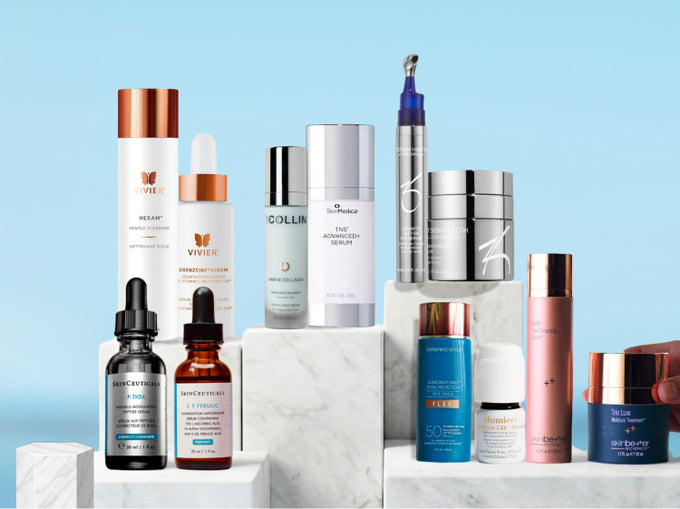
So this is the honest version of the showdown: what each category is, where the evidence is deep and where it is still catching up, and the eight serums we would put our own money on. WeDoSkin is an authorized Canadian retailer for every brand here, and we carry all four categories, so there is no house favourite to protect. Browse growth factors, exosomes and peptides as you read.
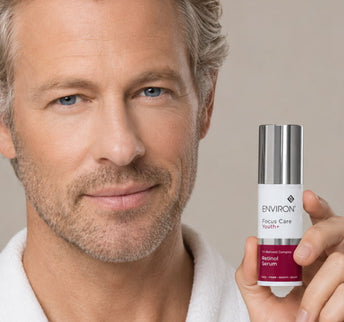
For a first regenerative serum, buy growth factors: SkinMedica TNS Recovery Complex ($250 CAD) has the longest track record on this page. Want the sensible base layer for less? Peptides, starting with Environ Tri-Peptide Complex+ Avance ($150). Coming out of a procedure or chasing stubborn tone and texture? Exosomes: ( plated ) Intense Serum. Curious about PDRN? Jan Marini Reboot. Cannot choose? AnteAGE MD Intensify carries three of the four in one bottle.
Four Ways to Send Your Skin a Message
Peptides: the text message
Peptides are short chains of amino acids, small enough to be built to order in a lab and stable enough to sit happily in a bottle. Each one carries a narrow instruction: support collagen, soften the look of expression lines, help skin hold water. Short, specific, cheap to send. They are the oldest of the four in a jar, and the wider field is in our peptide serum ranking.
Growth factors: the phone call
Growth factors are larger signalling proteins, the ones skin cells already use to coordinate maintenance. A growth factor serum delivers a blend rather than a single instruction, which is why the results people describe are broad: texture, firmness and tone moving together. They come from cultured human cells, from bioengineering, or from plants, and that sourcing question matters more than most labels admit.
Exosomes: the courier van
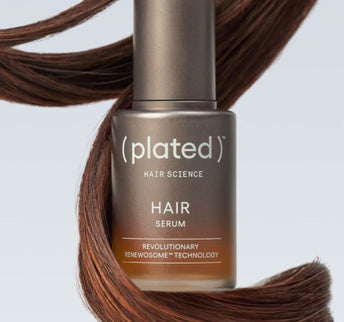
Exosomes are tiny vesicles that cells release to carry cargo to other cells: proteins, lipids and other signalling molecules, packed in a membrane. Think of a growth factor blend that arrives pre-packaged with its own delivery vehicle. In skincare they are sourced from platelets or cell cultures, or built as biomimetic versions. The category is young, moving fast, and uneven in quality, which is exactly why brand choice matters here.
PDRN: the spare parts delivery
PDRN stands for polydeoxyribonucleotide: purified DNA fragments, traditionally from salmon and now also made in vegan form. It built its reputation in aesthetic clinics as an in-office treatment, and the serum versions are the newest arrivals on this page. In a bottle, PDRN is best understood as a hydrating, comforting, skin-quality ingredient with promising early data, not as a proven replacement for anything above. Our PDRN explainer covers it in depth.
Why This Is Not a Fair Fight
Evidence: who has done the homework
Peptides and growth factors have had the longest time in real routines, on real faces, under real scrutiny. Exosomes have serious science behind the concept and a much shorter history as a cosmetic serum. Topical PDRN is the youngest of all. That is not a ranking of potential. It is a ranking of how much you are betting on a promise versus a record, and at these prices it is fair to care.
Source: where the active comes from
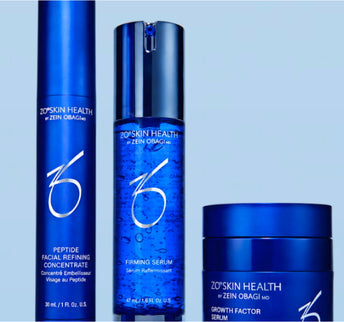
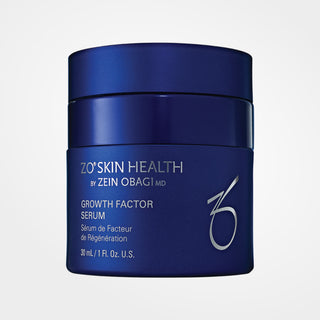
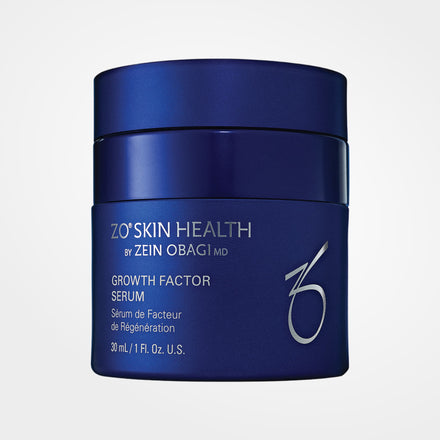
Human cell cultures, human platelets, bone marrow stem cell lines, salmon, plants, a peptide synthesizer. None of these is the wrong answer, but they are different answers, and some people have firm preferences. If you want no human-derived or animal-derived actives, your shortlist is peptides, ZO Growth Factor Serum and the vegan PDRN in Intensify. Knowing that before you shop saves a lot of label reading.
The formula around the active
A regenerative active is fragile cargo. Concentration, stability, the delivery system and the packaging decide whether what was promised is what reaches your face. This is the whole case for buying these from brands that publish their technology and from an authorized retailer with fresh stock. A bargain exosome serum from a marketplace is the skincare equivalent of sushi from a gas station.
The Hybrids Are the Real Trend
Why brands are combining categories
Skin does not run on one signal, so the smartest new formulas stopped picking one. AnteAGE MD Intensify puts biomimetic exosomes, vegan PDRN and bioengineered growth factors in a single serum. Neocutis Bio Serum Firm ($270) pairs human growth factors with proprietary peptides. NeoGenesis Recovery (from $100) uses the complete mix of molecules its stem cell cultures release, which is the argument of our NeoGenesis vs AnteAGE comparison.
What that means for your shortlist
The category labels are becoming a description of the lead ingredient, not a wall between products. So choose by your goal and your comfort with the source, then let the label fall where it falls. A hybrid is not automatically better than a focused formula, but it is a reasonable way to stop agonizing.
The #1 Pick: SkinMedica TNS Recovery Complex
The Category With the Longest Record, in Its Most Famous Bottle
Why it wins: A showdown needs a verdict, and ours goes to the category that has been tested by the most faces for the longest time. TNS Recovery Complex is the original growth factor serum, and SkinMedica states it is 93.6% TNS, a patented blend of more than 380 growth factors and cytokines alongside antioxidants, soluble collagen and matrix proteins. It is suitable for all skin types and used morning and evening before moisturizer. Nothing about it is trendy. That is the appeal.
Best for: A first regenerative serum, sun-aged skin, and anyone who wants texture, firmness and tone to improve together. It is derived from human cell culture, so if you prefer otherwise, go to ZO Growth Factor Serum or a peptide serum instead. Fresh from a laser or microneedling appointment? Start with ( plated ) Intense and come back to this later.
The Power 8: Two Serums From Every Corner
Two picks per category, counting the hybrid where it leans, ranked by how often we would recommend each one. Live Canadian pricing, and every bottle here ships free.


Want the deeper bench in one category? See the growth factor serum ranking and the exosome serum ranking, or shop the full anti-aging collection.
Growth Factors vs Exosomes vs PDRN vs Peptides, Side by Side
The four categories on one screen. Read down the column that matches your goal, not across the row looking for a champion.
| Growth Factors | Exosomes | PDRN | Peptides | |
|---|---|---|---|---|
| What it is | Signalling proteins | Vesicles carrying mixed signals | Purified DNA fragments | Short amino acid chains |
| Typical source | Human cell culture, bioengineered or plant | Platelets, cell culture or biomimetic | Salmon or vegan | Made in a lab |
| Time in topical skincare | Long | Short | Shortest | Longest |
| Best for | Lines, firmness, texture, sun-aged skin | Post-procedure skin, stubborn tone and texture | Hydration, bounce, tired-looking skin | A base layer, maintenance, tighter budgets |
| Feel | Light serum or gel | Light, fast-absorbing | Light, hydrating | Silky serum |
| Starts at | $245.00 | $299.00 | $236.00 | $150.00 |
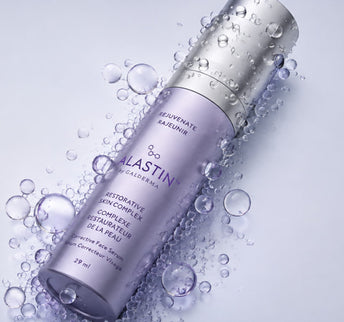
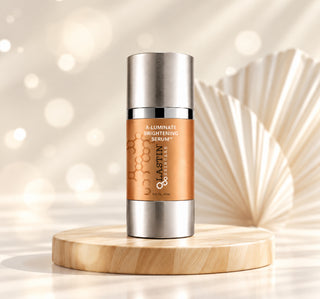
| Our pick | TNS Recovery Complex | ( plated ) Intense Serum | Jan Marini Reboot | Alastin Restorative Skin Complex |
| Layer with the others | Yes | Yes | Yes | Yes |
The verdict: growth factors for most people buying one serum, peptides if the budget or your comfort with sourcing says so, exosomes when a procedure or a stubborn concern raises the stakes, and PDRN as the interesting addition rather than the foundation. If you are choosing between two of these and sunscreen, the answer is sunscreen.
Four Routines, One Regenerative Serum Each
Regenerative serums go on clean skin, first, before anything thicker. One per routine is plenty to start. Give it twelve weeks before you judge it.
The first-timer, 35 plus
- ☀️ AM: cleanse > TNS Recovery Complex > moisturizer > mineral SPF
- 🌙 PM: cleanse > TNS Recovery Complex > moisturizer, or your retinol on alternate nights
- 📅 Photograph your face on day one. You will not remember what it looked like otherwise.
After an in-clinic procedure
- ✅ First: follow your clinician's aftercare, and add products only when they say so
- 🌙 AM and PM: gentle cleanse > ( plated ) Intense Serum or AnteAGE MD Biosome Serum > bland moisturizer
- 📖 Alastin's Regenerating Skin Nectar ($298) is the peptide option. More in our post-procedure guide.
Tired, dull, a little deflated
- ☀️ AM: cleanse > Jan Marini Reboot > moisturizer > SPF
- 🌙 PM: cleanse > Reboot or AnteAGE MD Intensify > moisturizer
- 💧 PDRN serums are the easy ones: light, comfortable and rarely fussy about what goes on top.
The peptide base layer
- ☀️ AM: cleanse > vitamin C > Environ Tri-Peptide Complex+ Avance > SPF
- 🌙 PM: cleanse > Alastin Restorative Skin Complex > moisturizer
- ➕ Later, add a growth factor serum in the morning and keep the peptides at night. They are colleagues, not rivals.
Five Ways to Waste a $300 Serum
1. Buying the newest word instead of the right tool
Exosomes are not growth factors 2.0 and PDRN is not exosomes 2.0. Each one launched with the same breathless coverage. Start from what you want to change and what you are comfortable putting on your face, and the right category usually picks itself.
2. Stacking all four on day one
They layer well, which is not a reason to start with four. You will spend a great deal and have no idea which bottle is doing the work. One regenerative serum for twelve weeks, then decide whether a second earns a place.
3. Quitting at week three
Signal-based skincare is slow by design. Hydration and glow show up early; firmness and the look of lines take months. If you want a fast, visible change, that is what exfoliants are for. Buy these for the long game or do not buy them.
4. Expecting a serum to do the job of sunscreen
A regenerative serum on unprotected skin is a renovation with the roof off. Daily SPF protects the work the serum is trying to support, and it costs a fraction as much. Our sunscreen guide has the shortlist.
5. Shopping on price from an unknown seller
These are the formulas where freshness, storage and authenticity matter most, because the actives are delicate and the bottles are expensive enough to be worth faking. If the price looks too good, the product is old, diverted or not what the label says.
What None of the Four Will Replace
The unglamorous three still come first
Sunscreen, a retinoid and vitamin C remain the most studied topical trio in skincare, and a regenerative serum is the fourth chair at that table, not a substitute for any of the first three. If your routine has none of them yet, start with a retinol and a vitamin C and come back. The long-view case is in our skin longevity guide.
And when to ask before you buy
If you are pregnant or nursing, have a diagnosed skin condition, or have just had a procedure, check with your physician or clinician before adding a growth factor, exosome or PDRN serum. These are gentle formulas, but gentle is not the same as right for everyone, and our clinical team would rather help you choose than sell you the wrong bottle.
Frequently Asked Questions
What is the difference between growth factors and exosomes?
Growth factors are signalling proteins. Exosomes are tiny vesicles that cells release to carry cargo, which can include growth factors along with lipids and other signalling molecules. A growth factor serum delivers the signals; an exosome serum delivers a packaged mix. Growth factors have the longer history in topical skincare.
Are exosomes better than growth factors?
Not automatically. Exosomes are newer and the science behind the concept is strong, but growth factor serums have been used for much longer. For a first regenerative serum we still point most people to growth factors, and to exosomes after a procedure or for stubborn tone and texture.
What does PDRN do in a serum?
PDRN is purified DNA fragments, traditionally from salmon and now also vegan. In a serum it is used for hydration, comfort and overall skin quality. It is the newest of the four categories in topical form, so treat it as a promising addition rather than a replacement for growth factors or peptides.
Are peptides enough on their own?
For many people, yes. Peptides are stable, well tolerated and the most affordable of the four, and a strong peptide serum such as Alastin Restorative Skin Complex is a complete regenerative step. Growth factors or exosomes are an upgrade, not a requirement.
Can I use growth factors, exosomes, PDRN and peptides together?
Yes, they layer without conflict, and several serums already combine them. Start with one for twelve weeks so you know what it does, then add a second if you want more. Apply regenerative serums first on clean skin, thinnest texture first.
Can I use these with retinol and vitamin C?
Yes. Regenerative serums pair well with both. A common routine is vitamin C and a regenerative serum in the morning under sunscreen, and a regenerative serum with or before retinol at night.
Which regenerative serum is best after microneedling or laser?
Follow your clinician's aftercare first. Once you are cleared to apply products, ( plated ) Intense Serum, AnteAGE MD Biosome Serum and Alastin Regenerating Skin Nectar are the serums on this page positioned for skin coming out of a procedure.
Where can I buy these serums in Canada?
WeDoSkin is an authorized Canadian retailer for SkinMedica, Alastin, ( plated ), AnteAGE, Jan Marini, ZO Skin Health and Environ. Prices on this page run from $150.00 for Environ Tri-Peptide Complex+ Avance to $370.00 for ( plated ) Intense Serum, with free shipping across Canada.
Keep Reading
Our #1 Recommendation
SkinMedica TNS Recovery Complex
The Intel: The original growth factor serum. SkinMedica states it is 93.6% TNS, a patented blend of growth factors and cytokines with antioxidants and matrix proteins. Morning and evening, all skin types. Authorized and shipped free across Canada.
WHY SOURCE FROM WEDOSKIN?
Authorized RetailerFully authorized clinical partner for all 40+ brands. Fresh, active product guaranteed. | 45-Day GuaranteeProtected orders are covered by a 45-day window for total peace of mind on your investment. | Free ShippingBuild your clinical routine without shipping fees. Free delivery on Canadian orders over $65. |
Clinical DeliveryClimate-conscious logistics help preserve the integrity of active, temperature-sensitive formulas. | 5-Star ReputationThousands of patients trust our clinical team for their medical-grade shopping and guidance. | Expert GuidanceNot sure which category fits your skin? Get a routine mapped by our expert aesthetic team, free. |
Questions About Products?
Connect directly with a WeDoSkin clinical expert for a complimentary consultation. Tell us your main concern, what you use now and how you feel about sourcing, and we will tell you which category fits, or whether you need one at all.
Contact Our Skincare ExpertsReviewed under medical oversight
This guide is reviewed by Dr. J. Porter, Medical Reviewer at the WeDoSkin Clinic in Calgary. As a Preferred Authorized Retailer, our clinical team works with these brands every day. Educational information, not a substitute for personalized medical advice. Our medical-review standards →
