




Most Canadian skincare enthusiasts still believe facial serums are little more than an extra step, yet studies show that serums can deliver up to 70 percent more active ingredients than traditional creams. Understanding what sets these lightweight formulas apart is key for anyone looking to address stubborn concerns like uneven tone or fine lines. This guide cuts through the common misconceptions, revealing how choosing the right serum transforms even the most basic routine.
Table of Contents
- Defining Facial Serums And Common Misconceptions
- Types Of Facial Serums And Key Ingredients
- How Facial Serums Work On Skin
- Comparing Serums To Creams And Oils
- Applying Facial Serums For Optimal Results
Key Takeaways
| Point | Details |
|---|---|
| Facial Serums vs. Moisturisers | Serums deliver concentrated active ingredients directly into the skin, outperforming traditional moisturisers in addressing specific skin concerns. |
| Importance of Active Ingredients | Key ingredients like vitamin C, hyaluronic acid, and peptides in serums provide targeted benefits such as hydration and anti-aging effects. |
| Application Technique Matters | Applying serums correctly ensures optimal absorption; use gentle patting motions on cleansed skin for best results. |
| Personalisation is Key | Choosing the right serum requires understanding your unique skin type and concerns, emphasising the need for tailored skincare solutions. |
Defining Facial Serums and Common Misconceptions
Facial serums are precision-engineered skincare solutions designed to deliver concentrated active ingredients directly into the skin’s deeper layers. Unlike traditional moisturizers, these lightweight formulations boast a molecular structure that allows rapid absorption and targeted treatment of specific skin concerns. Whether addressing fine lines, hyperpigmentation, or uneven texture, serums represent the most advanced approach to personalised skincare.
The fundamental difference between serums and moisturizers lies in their composition and functionality. While facial care routines typically include multiple product types, serums are uniquely concentrated. They contain higher percentages of active ingredients like vitamin C, hyaluronic acid, and peptides, enabling them to penetrate more effectively than standard creams. Their thin, almost water-like consistency allows them to slip beneath the skin’s surface, delivering nutrients with unprecedented precision.
Common misconceptions about facial serums can mislead skincare enthusiasts. Many people wrongly believe serums are unnecessary or simply a marketing gimmick. In reality, these potent formulations address specific skin challenges that generic moisturizers cannot. Another prevalent myth suggests that serums replace moisturizers entirely. This is incorrect - serums are typically applied before moisturizers, creating a layered approach that maximises hydration and treatment efficacy.
To understand serums effectively, consider them the specialists of skincare: highly trained, incredibly focused, and capable of addressing nuanced skin requirements with remarkable efficiency. Their concentrated nature means a few drops can transform your skincare routine, offering targeted solutions that generic products simply cannot match. Ultimately, incorporating a well-chosen serum is not just about skincare - it’s about giving your skin precisely what it needs, when it needs it.
Types of Facial Serums and Key Ingredients
Facial serums represent a sophisticated spectrum of skincare solutions, each carefully engineered to target specific skin challenges with remarkable precision. The landscape of serum formulations encompasses diverse types: water-based, oil-based, gel-based, emulsion, and pressed balm serums. Each variant offers unique benefits, designed to penetrate skin layers and deliver concentrated active ingredients with unparalleled effectiveness.
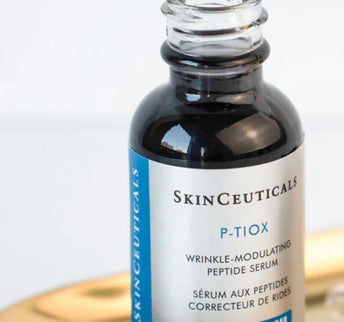
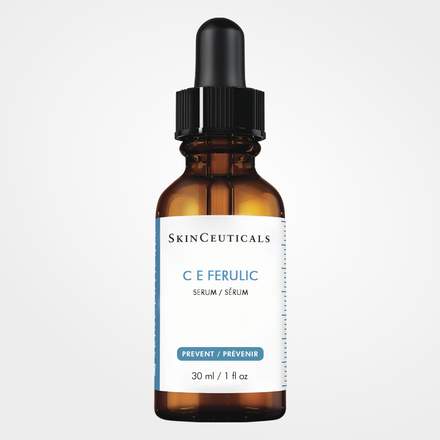
When exploring key ingredients, antioxidants emerge as fundamental components in advanced growth factor skincare strategies. Powerful compounds like vitamin C, hyaluronic acid, peptides, and retinol serve as primary active ingredients. Vitamin C brightens and protects against environmental damage, hyaluronic acid provides deep hydration, peptides support collagen production, and retinol accelerates cellular turnover - creating a comprehensive approach to skin health and rejuvenation.
Classifying serums by skin concern reveals their true versatility. Hydrating serums focus on moisture retention, antioxidant serums combat free radical damage, brightening serums address pigmentation issues, and anti-aging serums target fine lines and wrinkle reduction. Some specialised formulations even combine multiple functions, offering targeted treatment for complex skin requirements. The molecular structure of these serums allows for deeper penetration compared to traditional moisturisers, ensuring active ingredients reach the skin’s foundational layers.
Choosing the right serum involves understanding your unique skin profile and specific concerns. Consider factors like skin type, age, environmental exposure, and individual sensitivity when selecting a serum. A personalised approach means recognising that what works for one person might not be ideal for another. Consulting with skincare professionals can help navigate this nuanced landscape, ensuring you select a serum that provides optimal benefits for your specific dermatological needs.
How Facial Serums Work on Skin
Molecular penetration represents the cornerstone of facial serum effectiveness, enabling these sophisticated formulations to transform skin health at a fundamental level. Unlike traditional skincare products that merely sit on the skin’s surface, serums leverage advanced molecular structures to deliver active ingredients directly into deeper dermal layers. Their unique, lightweight consistency allows for unprecedented absorption, creating a pathway for targeted treatment that traditional moisturisers simply cannot achieve.
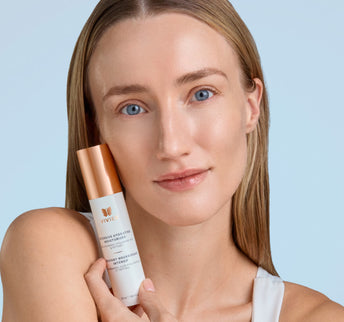
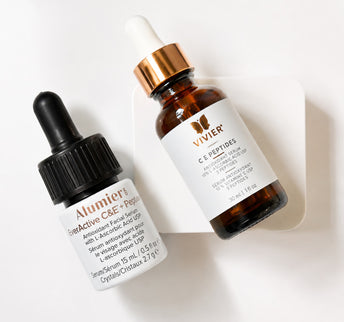
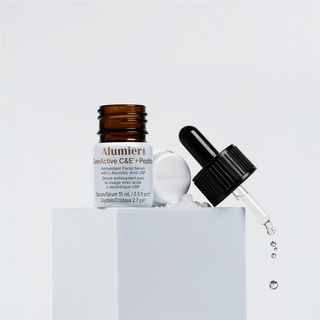
The mechanism of action for facial serums is remarkably precise. Vivier C E Peptides exemplify how concentrated active ingredients interact with skin cells to stimulate repair and regeneration. Clinical research demonstrates that these potent formulations can dramatically improve skin characteristics over time. A 24-week controlled study revealed significant enhancements in multiple skin parameters, including reduction of fine lines, improved elasticity, enhanced texture, and increased overall skin radiance. The microscopic molecular size of serum ingredients enables them to bypass surface barriers, engaging directly with cellular structures responsible for skin renewal.
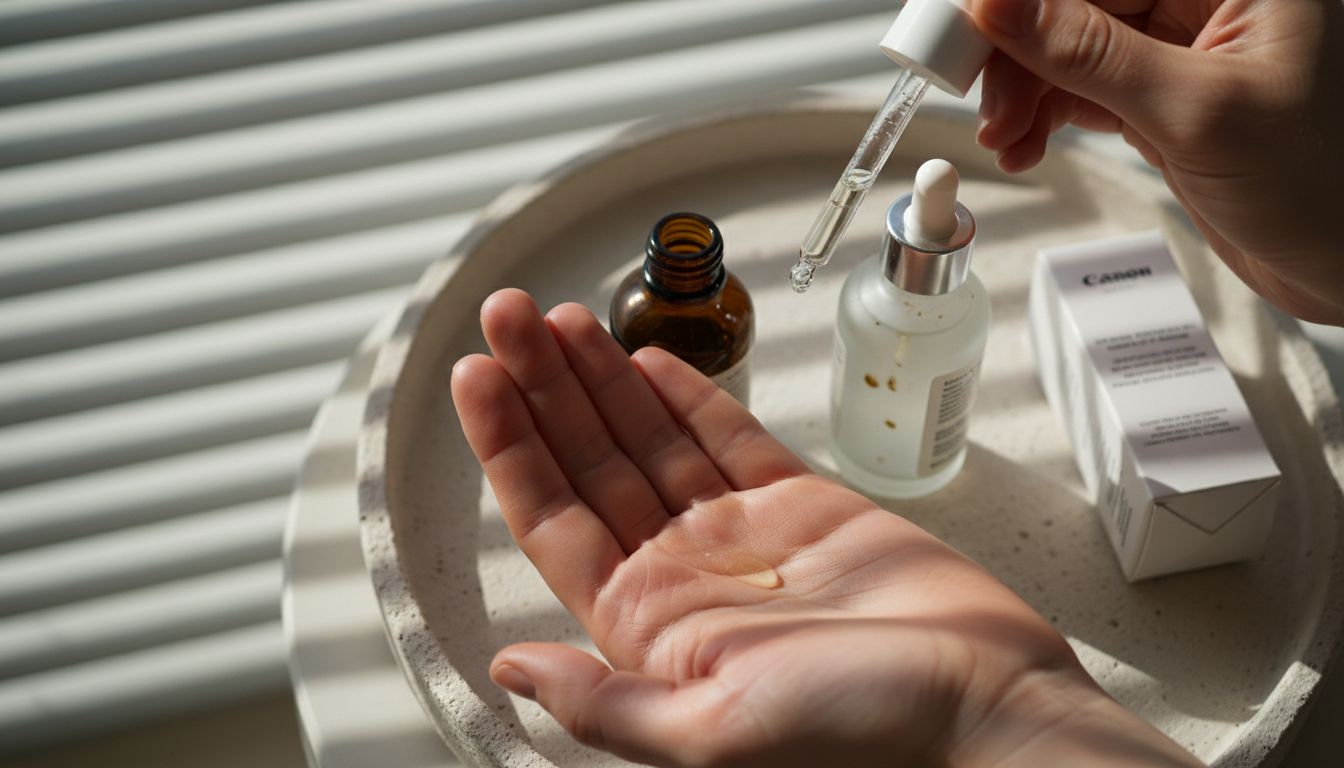
Different active ingredients perform specific functions within the skin’s complex ecosystem. Antioxidants like vitamin C neutralise free radical damage, peptides stimulate collagen production, hyaluronic acid provides deep hydration, and retinol accelerates cellular turnover. These ingredients work synergistically, creating a multi-dimensional approach to skin health. The thinner viscosity of serums allows for rapid absorption, ensuring that these powerful compounds can effectively target concerns such as uneven pigmentation, reduced firmness, and visible signs of aging.
Understanding serum effectiveness requires recognising the intricate relationship between ingredient concentration and skin biology. Not all serums are created equal - the quality, purity, and molecular structure of active ingredients determine their transformative potential. Skin professionals recommend selecting serums that align with individual skin concerns, considering factors like age, environmental exposure, and specific dermatological challenges. The goal is not simply surface-level treatment, but comprehensive skin rehabilitation that promotes long-term health and radiance.
Comparing Serums to Creams and Oils
Molecular architecture distinguishes facial serums from traditional moisturising products, creating a fundamental difference in how skincare ingredients interact with the skin. While creams and oils form protective barriers, serums are engineered to penetrate deeply, delivering concentrated active ingredients with precision and efficiency. Their lightweight, almost transparent consistency allows for rapid absorption, enabling targeted treatment that surface-level products cannot achieve.
The primary distinction lies in ingredient concentration and molecular structure. Comparative studies on vitamin C formulations reveal that serums contain significantly higher percentages of active compounds in smaller molecular sizes. Creams typically contain 5-10% active ingredients, whereas serums can deliver 70-90% pure, potent actives directly into the skin’s deeper layers. Oil-based products create a protective lipid barrier, while serums work by actively communicating with cellular structures, stimulating repair, regeneration, and targeted healing.
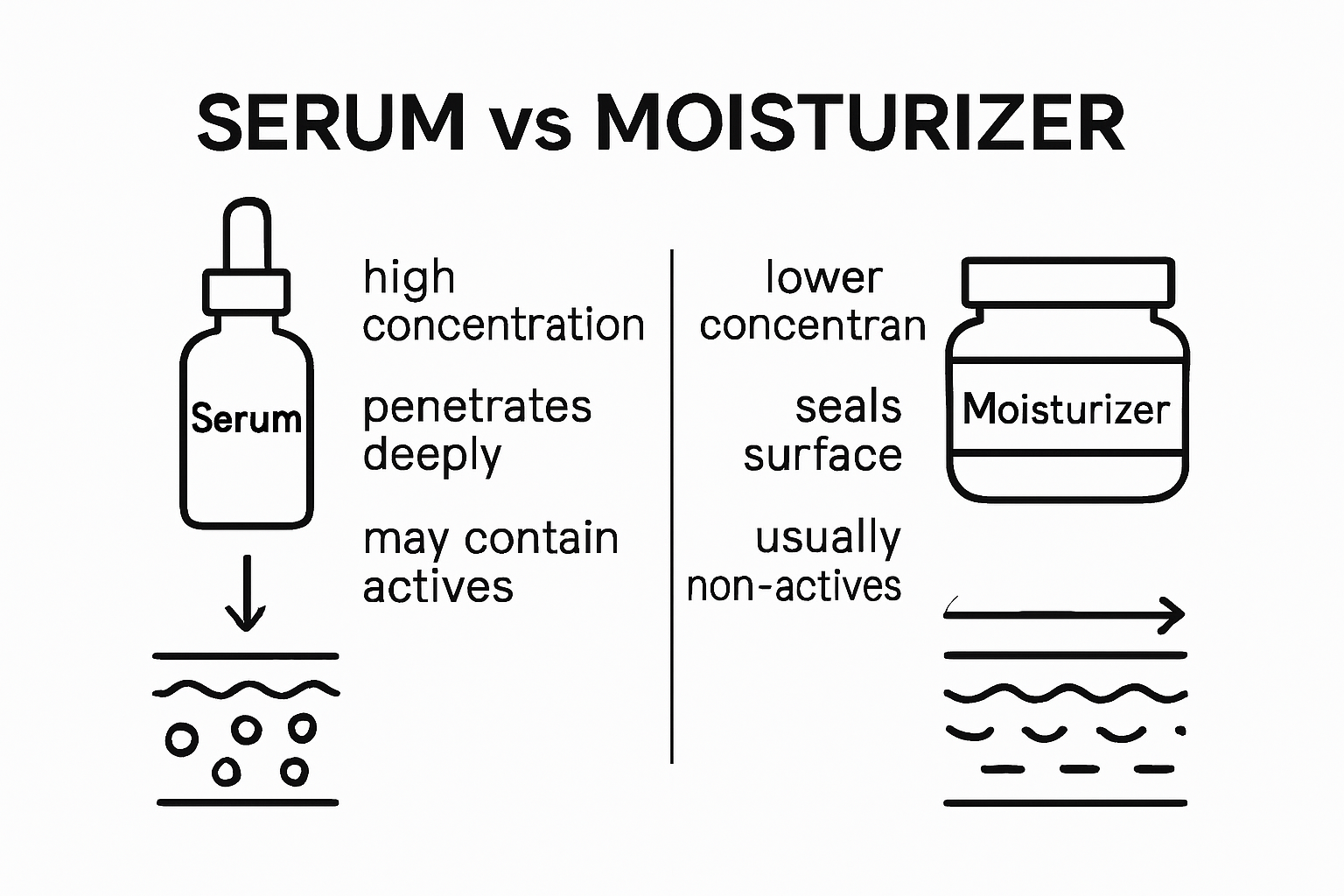
Different product types serve complementary functions in a comprehensive skincare routine. Moisturising creams primarily prevent water loss and provide surface-level hydration, forming a protective shield against environmental stressors. Facial oils nourish and seal in moisture, particularly beneficial for dry or mature skin types. Serums, in contrast, act as precision instruments - they penetrate beyond surface limitations, delivering highly concentrated nutrients that address specific skin concerns like hyperpigmentation, fine lines, uneven texture, and cellular damage.
Choosing between serums, creams, and oils is not about replacement, but strategic layering. Skincare experts recommend applying serums first, allowing their active ingredients to penetrate deeply, followed by creams or oils to lock in moisture and provide additional protection. This approach maximises the efficacy of each product, creating a synergistic effect that supports overall skin health. Understanding the unique role of each product type empowers individuals to craft a personalised skincare strategy that addresses their specific dermatological needs and aesthetic goals.
Applying Facial Serums for Optimal Results
Strategic application transforms facial serums from simple products to powerful skincare interventions. The molecular precision of these potent formulations demands a thoughtful approach to maximise their transformative potential. Unlike traditional moisturisers, serums require a specific technique that ensures deep penetration and active ingredient efficacy, making the application process as critical as the serum’s composition itself.
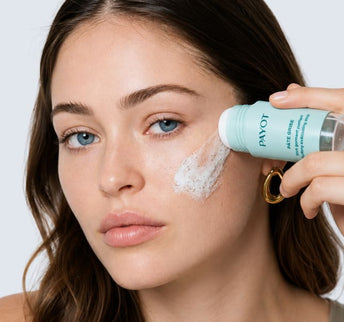
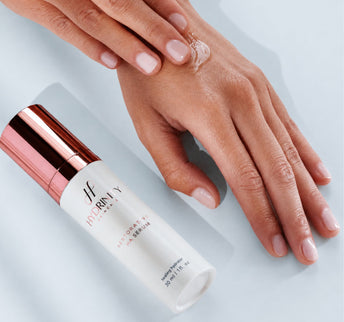
Professional skincare experts recommend a meticulous layering strategy when incorporating serums into daily routines. Morning skincare routines typically begin with cleansed, slightly damp skin to enhance absorption. Apply a pea-sized amount of serum using gentle, upward patting motions rather than aggressive rubbing. This technique prevents unnecessary skin stress while promoting optimal ingredient penetration. Warm the serum between fingertips first to activate its molecular structure, then press delicately into the skin, allowing each layer to absorb completely before introducing subsequent products.
Product sequence plays a crucial role in serum effectiveness. Always apply serums before heavier creams or moisturisers, as their lightweight composition enables deeper skin layer penetration. Different serums target specific concerns - vitamin C for brightening, hyaluronic acid for hydration, peptides for cellular repair - so understanding your skin’s unique requirements is paramount. Nighttime application often yields enhanced results, as cellular regeneration peaks during sleep, allowing active ingredients to work synergistically with the skin’s natural repair mechanisms.
Consistency and patience are fundamental when integrating facial serums into your skincare regimen. Most high-performance serums require approximately 4-6 weeks of continuous use to demonstrate visible improvements. Individual skin responses vary, so monitoring your skin’s reaction and adjusting product concentration or frequency is essential. Dermatological research suggests that proper application technique can increase ingredient absorption by up to 67%, transforming a simple skincare step into a sophisticated, targeted treatment strategy that supports long-term skin health and radiance.
Elevate Your Skincare Routine with Precision Facial Serums
The article highlights the transformative power of facial serums and their role in delivering concentrated active ingredients deep into your skin. If you are seeking to target specific concerns like fine lines, uneven texture, or pigmentation, understanding the molecular penetration and proper application of serums is crucial. You deserve skincare solutions designed to meet your unique needs with targeted potency and proven results.

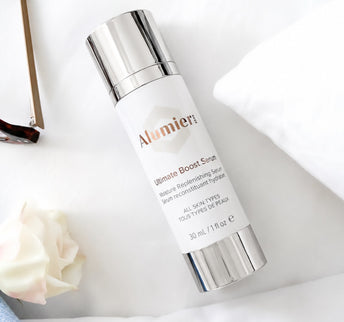
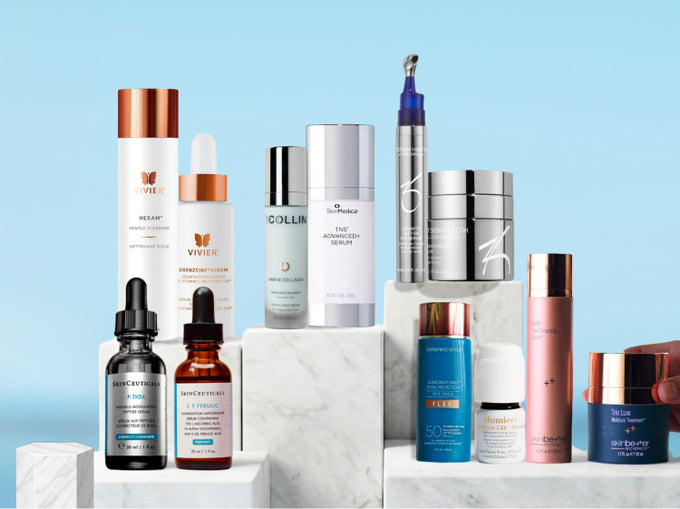
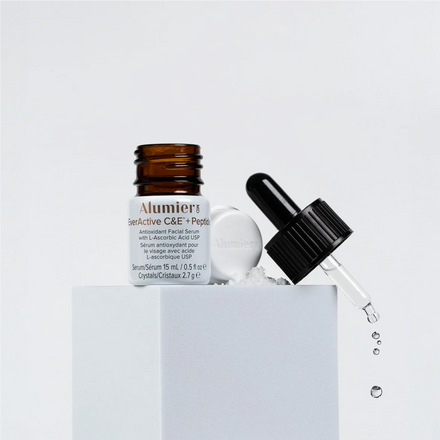
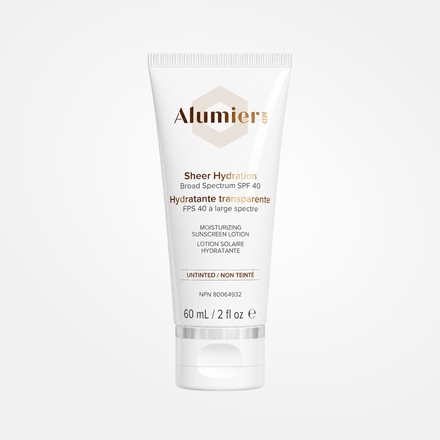
Discover a curated collection of medical grade serums at wedoskin.ca, featuring trusted brands like Vivier and AlumierMD. Take advantage of expert formulations that work synergistically with your routine to unlock radiant and youthful skin. Act now to explore exclusive offers, enjoy free samples with qualifying orders, and start transforming your skin today by shopping our selection of facial serums that deliver true skin rehabilitation and lasting vibrancy.
Frequently Asked Questions
What is a facial serum?
Facial serums are lightweight skincare products designed to deliver concentrated active ingredients deep into the skin’s layers, targeting specific concerns like fine lines, hyperpigmentation, and uneven texture.
How do I apply a facial serum for the best results?
To apply facial serum effectively, first cleanse your skin and apply a pea-sized amount of serum using gentle, upward patting motions. It’s best to apply serums on slightly damp skin to enhance absorption, and always apply them before moisturizers or creams.
How do facial serums differ from creams and oils?
Facial serums contain higher concentrations of active ingredients and are formulated for deeper penetration into the skin compared to creams and oils, which primarily provide surface-level hydration and protection. Serums serve as precision instruments for specific skin concerns.
How long does it take to see results from using a facial serum?
Typically, most high-performance facial serums require about 4-6 weeks of consistent use to show visible improvements in skin texture, elasticity, and overall radiance.
