



The 8 Best Tinted Mineral Sunscreens in Canada (2026), Ranked by Finish and Protection
The tint is not makeup. Iron oxides are the reason tinted mineral sunscreen protects stubborn dark spots better than the clear stuff.
Here is the thing almost every tinted sunscreen ranking gets wrong: it calls the tint a cosmetic bonus. A bit of colour so you skip foundation, a way to hide the white cast. All true, all beside the point. The tint is made of iron oxides, and iron oxides are the only common sunscreen ingredient that filters visible light. If your stubborn dark spots come back every summer, visible light is part of why, and a clear SPF 50 does nothing about it.
That single fact reorders the whole category. Once you know the tint is doing protective work, you stop asking which one matches your foundation and start asking which one you will actually wear at 7 a.m. on a Tuesday in February. Finish, texture and shade range decide that. SPF number, past a sensible minimum, mostly does not.
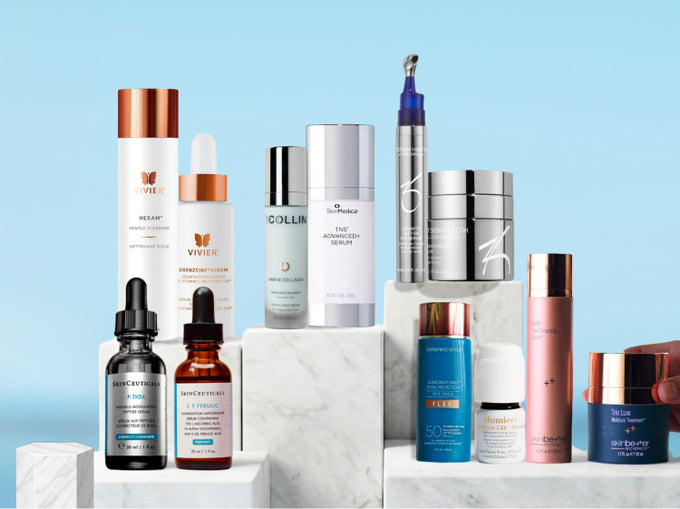
So this is the honest version. What mineral filters do, why iron oxides earn their place, how to pick a tint that vanishes on your skin, and the eight tinted mineral sunscreens sold in Canada that our clinical team wears and reorders. WeDoSkin is an authorized Canadian retailer for every brand here, so this is written from tubes we have opened. Browse the full sunscreen collection if you want to see the whole shelf first.
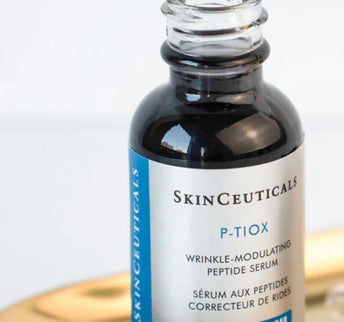
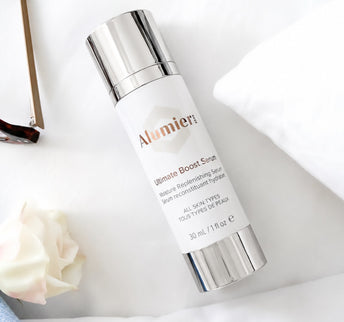
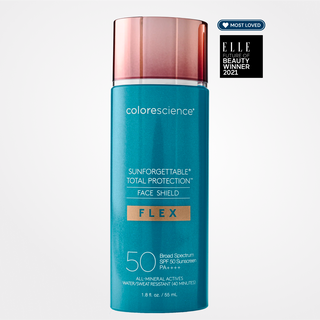
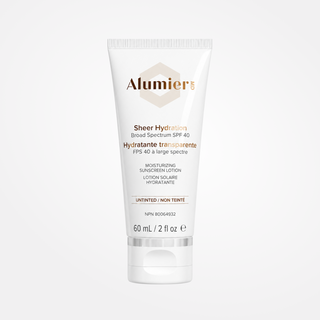
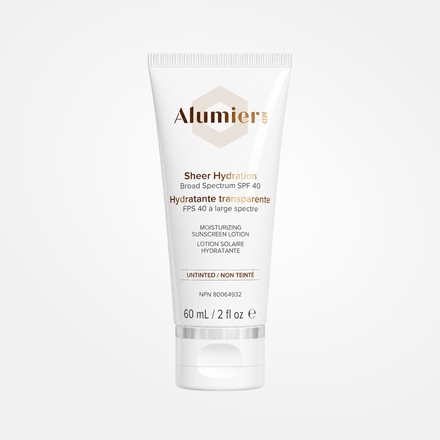
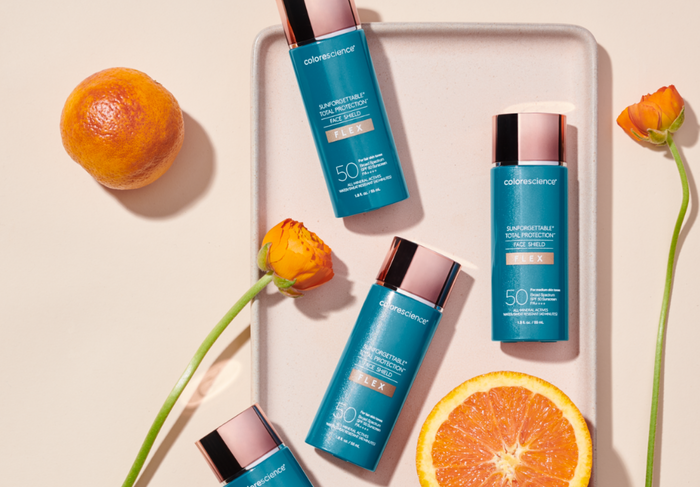
For most faces, the Colorescience Face Shield Flex SPF 50 ($79.90 CAD). All-mineral, iron oxides for visible light, six tone-adapting shades, and a finish that looks like skin. Dry or mature? AlumierMD Sheer Hydration Versatile Tint ($68.00). Oily? Jan Marini Physical Protectant Tinted ($90.00). Hate the feel of sunscreen entirely? SkinCeuticals Physical Fusion ($68.00). Whichever you choose, the amount matters more than the brand: a quarter teaspoon for the face, every morning, reapplied if you are outside.
What a Mineral Sunscreen Actually Does
1. Zinc oxide and titanium dioxide: the two filters that matter
A mineral sunscreen uses one or both of two ingredients: zinc oxide and titanium dioxide. Both sit on the skin's surface and absorb and scatter ultraviolet light before it reaches living cells. Zinc oxide covers the full UVA and UVB range on its own, which is why the best formulas lean on it; titanium dioxide is stronger against UVB and shorter UVA, so it usually plays partner. Everything else on the label is texture, tint and skincare. Those two are the sunscreen.
2. Why medical-grade clinics default to mineral
Chemical filters work, and plenty of excellent sunscreens use them. But mineral filters are less likely to sting reactive or freshly resurfaced skin, and they protect from the moment they go on. When someone walks out of a peel, a laser session or a retinol restart, mineral is the safer default. The trade-off used to be a chalky white cast. Tint is how the category solved that, and solved something bigger at the same time.
3. Iron oxides: the part of the tint nobody explains
Iron oxides are the pigments that give tinted sunscreen its colour, and they absorb high-energy visible light, the blue-violet end of the spectrum that UV filters ignore. Visible light is a known contributor to stubborn dark spots and uneven tone, particularly on medium and deeper skin. That is why an untinted SPF 50 can be doing a perfect UV job while your pigment keeps drifting back. If stubborn dark spots are your reason for wearing sunscreen, the tint is not optional. Our guide to pigment that keeps returning goes deeper on the mechanism.
Finish Is the Whole Game
The sunscreen you wear beats the sunscreen you admire
We have watched client after client buy the technically superior sunscreen and abandon it in three weeks because it pilled under foundation or turned them grey by lunch. Then they wear nothing, and nothing is SPF 0. So we rank finish above SPF number, on purpose. A tinted mineral SPF 36 worn every day protects more skin over a year than an SPF 50 that lives in a drawer. Find your texture and the decision mostly makes itself.
Universal tint vs shade range: an honest reckoning
Most tinted minerals come in one universal shade. On fair to light-medium skin, a good universal tint disappears. On medium-deep and deep skin, universal usually means a slightly orange or ashy veil, and no amount of blending fixes a pigment that is the wrong colour. This is why the Colorescience Flex line, with six adaptive shades from Fair to Rich Deep, wins the top spot: it is the only one here that gets darker skin right. If you are deeper than a universal tint was built for, do not settle.
How to read the SPF number without being fooled
SPF 30 blocks roughly ninety-seven percent of UVB, SPF 50 roughly ninety-eight. The gap is real but small, and both collapse if you apply a third of the recommended amount, which most people do. What changes your outcome is the amount on your face and the number of days you wear it. Broad-spectrum SPF 30 or higher is the threshold; above that, choose by finish and tint. Our definitive sunscreen guide covers the untinted and hybrid options.
Who Needs Tinted Mineral Most
Stubborn dark spots and uneven tone
If you use a brightening serum and your pigment still creeps back by August, you are almost certainly missing visible-light protection. Tinted mineral, worn daily, is the cheapest upgrade in that routine. Pair it with something from our dark spot corrector ranking and give it a full season.
Redness-prone, reactive or freshly treated skin
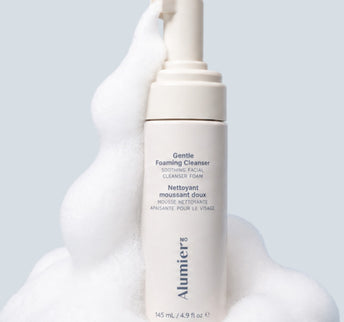
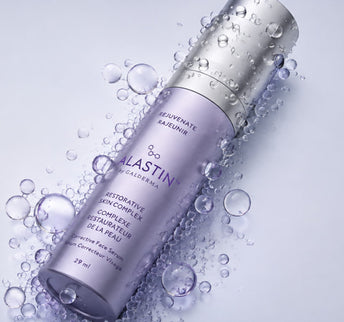
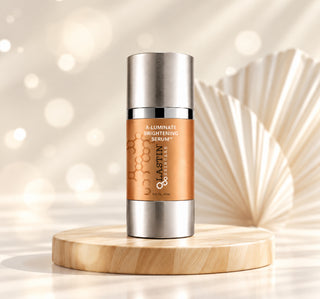
Mineral filters are gentler on skin that flushes, and a soft tint neutralises visible redness without an extra layer. Freshly resurfaced skin needs mineral, full stop, in a formula that does not tug or sting. AlumierMD Sheer Hydration, Alastin HydraTint and TiZO3 are the three we send home most; our post-procedure skincare guide has the recovery routine.
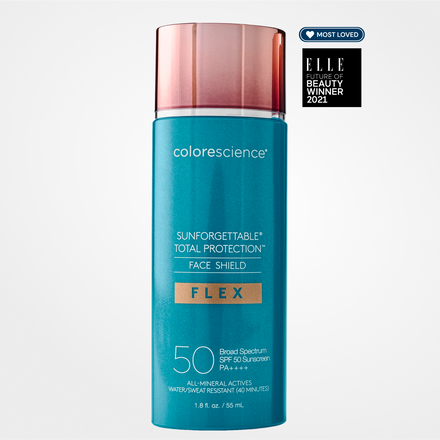
The #1 Pick: Colorescience Face Shield Flex SPF 50
The Only Tint Here That Gets Every Skin Tone Right
Why it wins: Every other tinted mineral here asks you to accept a universal shade. Flex offers six, Fair to Rich Deep, each with iron oxide pigments that bloom from white to your shade as you blend, so it looks like your skin rather than sunscreen on your skin. Underneath it is exactly what a clinic wants: all-mineral SPF 50, iron oxides for visible light, and EnviroScreen technology for pollution, blue light and infrared. The most protective and the most wearable in its category, at once.
Best for: Stubborn dark spots, skin deeper than a universal tint was designed for, and anyone who wants to skip foundation without looking like they skipped it. Very oily? The Jan Marini Physical Protectant Tinted holds matte longer. Want the thinnest texture? Try the SkinCeuticals Physical Fusion.
The Power 8: Every Tinted Mineral Sunscreen Worth Buying in Canada
Ranked by how often we recommend each one, with live Canadian pricing. Most people need one for the desk and maybe one for the trail.


Browse the complete sunscreen collection for untinted, body and lip options that pair with any of these.
Colorescience Flex vs Alastin HydraTint vs SkinCeuticals Physical Fusion
The three tinted minerals people actually cross-shop, side by side. There is no universal winner, only a right answer for your skin.
| Colorescience Flex SPF 50 | Alastin HydraTint SPF 36 | SkinCeuticals Physical Fusion SPF 50 | |
|---|---|---|---|
| Price | $79.90 | $97.00 | $68.00 |
| Filters | All-mineral, zinc and titanium | All-mineral, zinc and titanium | Zinc and titanium |
| Tint | 6 adaptive shades, Fair to Rich Deep | 1 sheer universal | 1 universal |
| Finish | Demi-matte skin tint, medium coverage | Hydrated skin tint, sheer | Weightless fluid, natural |
| Best skin | All, especially medium to deep | Dry, mature, post-procedure | Normal to combination, sunscreen-averse |
| Visible light defence | Iron oxides plus EnviroScreen | Iron oxides | Iron oxides |
| Under makeup | Replaces light foundation | Replaces light foundation | Invisible under anything |
The verdict: Colorescience Flex for most faces and for anyone with deeper skin or stubborn dark spots. Alastin HydraTint if your skin is dry or recovering and you want the most flattering everyday glow. SkinCeuticals Physical Fusion if you have never found a sunscreen you can stand to wear. Buy one, wear it for a month, then decide whether a second outdoor-day sunscreen earns its place.
Four Morning Routines, Depending on Your Skin
Sunscreen is the last skincare step and the first makeup step. Let your serum settle for a minute, apply a full quarter teaspoon, then wait another minute before anything goes on top.
Stubborn dark spots
- ☀️ AM: gentle cleanse > vitamin C or brightening serum > light moisturizer > Colorescience Flex SPF 50, full quarter teaspoon
- 🔁 Reapply: every two hours outdoors; a compact mineral powder over makeup counts
- 🌙 PM: retinol or a dedicated corrector from our dark spot ranking
Oily and blemish-prone
- ☀️ AM: salicylic or gel cleanse > niacinamide serum > skip the moisturizer if skin is oily > Jan Marini Physical Protectant Tinted
- 💄 Makeup days: TiZO3 Facial Primer as a matte base instead
- ⛔ No heavy creams under sunscreen; it is where the midday slide comes from
Dry, mature or post-procedure
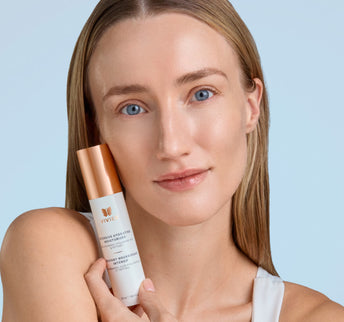
- ☀️ AM: cream cleanse > hydrating serum > barrier moisturizer > AlumierMD Sheer Hydration Versatile Tint, Alastin HydraTint or Vivier SHEER
- 🩹 First week after a treatment: mineral only, applied with clean fingertips, no rubbing
- 🌙 PM: follow the post-procedure routine until your clinic clears actives
Outdoor and active days
- ☀️ AM: cleanse > antioxidant serum > iS Clinical Eclipse PerfecTint for water resistance
- 🔁 Reapply: every two hours and after sweating or swimming, no exceptions
- 🧢 A hat and shade do more than any second layer of SPF
Five Mistakes That Turn a Great Sunscreen Into a Bad Tan
1. Using it like foundation
A pea-sized dab blended to perfection is a lovely tint and a fraction of the SPF on the label. Sunscreen only reaches its label value at about a quarter teaspoon for the face and neck. Modern tinted minerals sheer out, so use the full amount and let it settle rather than rationing it for a better colour match.
2. Choosing by SPF number alone
SPF 36 worn daily protects more than SPF 50 worn when you remember. Past broad-spectrum SPF 30, finish and tint decide whether you will actually wear it, and wearing it is the entire outcome. Pick the texture you will tolerate every day, then confirm the SPF is 30 or higher.
3. Skipping the tint because you have fair skin
Iron oxides protect against visible light regardless of skin tone, and visible light contributes to uneven tone on everyone. Fair skin still gets stubborn dark spots. The tint is protective, not cosmetic, so an untinted mineral is the compromise, not the tinted one.
4. Layering it under a heavy moisturizer
Sunscreen goes on last. Anything applied over it dilutes the film and drags the pigment around, which is where patchy, orange, midday sunscreen comes from. Moisturizer, a minute, sunscreen, a minute, then makeup if you want it.
5. Expecting one sunscreen to do every job
The best desk sunscreen is rarely the best trail sunscreen. HydraTint is perfect for a Tuesday and wrong for a July hike; Eclipse PerfecTint is the reverse. If you are outdoors more than a couple of hours a week, owning two is not indulgent, it is correct.
Tinted Mineral vs Tinted Chemical vs Foundation With SPF
Tinted chemical sunscreens exist and some are excellent, but they lose the two things a clinic values most: instant protection and gentleness on reactive skin. Foundation with SPF is the weakest of the three, because nobody applies a quarter teaspoon of foundation. If you love your foundation, wear it over one of these eight and let the sunscreen be the sunscreen. Our anti-aging routine by decade shows where daily tinted mineral fits at every age.
Frequently Asked Questions
Is tinted mineral sunscreen better than untinted?
For most people, yes. The tint is made of iron oxides, which filter visible light that UV filters miss. Visible light contributes to stubborn dark spots and uneven tone, so a tinted mineral protects in a way a clear SPF cannot, and it removes the white cast that made older mineral sunscreens unwearable.
Which tinted mineral sunscreen is best in Canada?
For most faces the Colorescience Sunforgettable Face Shield Flex SPF 50 at $79.90 CAD. It is all-mineral, uses iron oxides for visible light, and comes in six adaptive shades so it works on deeper skin tones. Jan Marini Physical Protectant Tinted is the pick for oily skin, AlumierMD Sheer Hydration Versatile Tint for dry skin, and SkinCeuticals Physical Fusion for anyone who dislikes the feel of sunscreen.
Does tinted sunscreen replace foundation?
Skin-tint formulas such as Colorescience Flex, Alastin HydraTint and Vivier SHEER replace a light foundation for most people. Sheerer ones such as TiZO3 and SkinCeuticals Physical Fusion work as a primer under foundation. Either way, apply the full quarter teaspoon of sunscreen first and put makeup on top.
How much tinted sunscreen should I apply to my face?
About a quarter teaspoon for the face and neck, every morning. Modern tinted minerals sheer out enough that the full amount does not look heavy. Using less to get a better colour match is the most common way people cut their real protection.
Is SPF 30 or 36 enough, or do I need SPF 50?
Broad-spectrum SPF 30 or higher, applied properly, is the threshold. SPF 30 or 36 worn every day protects more skin over a year than SPF 50 worn occasionally. Choose SPF 50 and water resistance for outdoor days, and choose by finish for daily wear.
Can I use tinted mineral sunscreen after a peel or laser?
Mineral is the clinic default after a procedure because it is gentle on freshly resurfaced skin and protects immediately. AlumierMD Sheer Hydration Versatile Tint and Alastin HydraTint are the two we recommend most for the first week, applied with clean fingertips and no rubbing. Follow your clinician's timing.
Where can I buy tinted mineral sunscreens in Canada?
WeDoSkin is an authorized Canadian retailer for Colorescience, Vivier, Alastin, AlumierMD, TiZO, iS Clinical, Jan Marini and SkinCeuticals. The eight sunscreens in this guide run from $66.00 (TiZO3) to $97.00 (Alastin HydraTint), with the Colorescience Flex at $79.90, all shipped free across Canada with a 100-day return window on unopened products.
Keep Reading
Our #1 Recommendation
Colorescience Sunforgettable Total Protection Face Shield Flex SPF 50
The Intel: All-mineral SPF 50 with iron oxides for visible light and EnviroScreen defence against pollution, blue light and infrared. Six adaptive shades from Fair to Rich Deep that bloom to your skin as you blend, so it looks like skin, not sunscreen. Authorized and shipped free across Canada.
WHY SOURCE FROM WEDOSKIN?
Authorized RetailerFully authorized clinical partner for all 40+ brands. Fresh, active product guaranteed. | 45-Day GuaranteeProtected orders are covered by a 45-day window for total peace of mind on your investment. | Free ShippingBuild your clinical routine without shipping fees. Free delivery on Canadian orders over $65. |
Clinical DeliveryClimate-conscious logistics help preserve the integrity of active, temperature-sensitive formulas. | 5-Star ReputationThousands of patients trust our clinical team for their medical-grade shopping and guidance. | Expert GuidanceNot sure which tint suits your skin tone? Get a routine mapped by our expert aesthetic team, free. |
Questions About Products?
Connect directly with a WeDoSkin clinical expert for a complimentary consultation. Tell us your skin tone, your skin type and what you wear now, and we will tell you which tint will actually disappear on your face.
Contact Our Skincare ExpertsReviewed under medical oversight
This guide is reviewed by Dr. J. Porter, Medical Reviewer at the WeDoSkin Clinic in Calgary. As a Preferred Authorized Retailer, our clinical team works with these brands every day. Educational information, not a substitute for personalized medical advice. Our medical-review standards →
