



Can You Use Retinol in Summer? A Canadian's Guide to Year-Round Renewal
Can you keep using retinol in summer? Yes — here’s how to pair it with daily SPF without irritation or sun damage.
Every spring, the same question lands in our inbox: "Should I stop using my retinol now that it’s getting sunny?" It’s one of the most common skincare myths out there — and the good news is you don’t have to give up one of the most proven anti-ageing ingredients for a quarter of the year. With the right timing, the right strength, and daily SPF, retinol is a year-round friend.
Here’s the part we love most: it’s your choice. If you want to keep your retinol going all summer, we’ll show you how to do it safely — and help you pick from one of Canada’s widest ranges. And if your skin runs sensitive, or you’d rather take a break in the warmer months, we’ll point you to gentle alternatives that still deliver real results.
Quick summary
| Key message | What it means for you |
|---|---|
| You don’t need to stop retinol in summer | Used correctly, retinol is safe and effective all year. Stopping and restarting only resets your skin’s tolerance and slows results. |
| Always apply it at night | Most retinols break down in sunlight and can increase sun sensitivity, so PM is their place — in every season. |
| SPF is non-negotiable | A broad-spectrum SPF 30+ every morning protects the fresh skin retinol reveals. This is what makes summer use safe. |
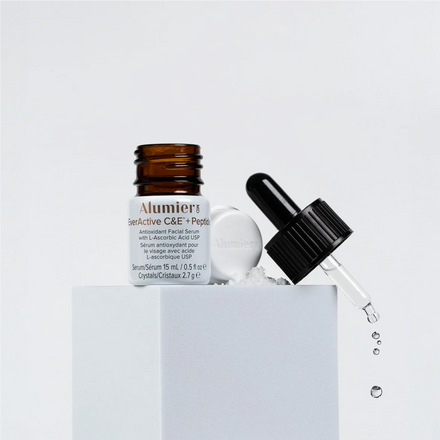
| Match strength to your skin | Start low (0.25–0.3%) and work up. We stock SkinCeuticals, ZO, Vivier, AlumierMD, Obagi and more across every strength. |
| Prefer to skip retinol? You have options | Peptides, growth factors, bakuchiol and vitamin C smooth, firm and brighten without the added sun sensitivity. |
What retinol actually is
"Retinoid" is the umbrella term for all forms of vitamin A used in skincare — including retinol, retinaldehyde and prescription retinoic acid. They encourage skin cell turnover and support collagen, which together help soften the look of fine lines, refine uneven texture, and fade the appearance of dark spots for a smoother, brighter complexion.
Retinol is the best-known member of the family and a brilliant all-rounder. Because it nudges your skin to renew itself faster, the cells it brings to the surface are newer and more delicate — which is the real reason sun protection matters so much alongside it.
The truth about retinol and the sun
Here’s where the myth comes from, and where the facts diverge from it. Two things are genuinely true:
1. Retinol can make your skin more sensitive to UV. By speeding up cell turnover, it reveals fresh skin that’s more vulnerable to the sun’s rays. Without sunscreen, that means a higher chance of irritation and burning.
2. Most retinol formulas aren’t photostable. Many break down in daylight, which makes them less effective on the skin. That’s why retinol belongs in your evening routine.
What is not true is that this means you must stop using retinol in summer. It simply tells you how to use it: at night, and always followed by sunscreen the next morning. Handle those two steps and the "danger" disappears.
So, can you use retinol in summer?
Yes. Provided you apply a broad-spectrum sunscreen every morning, it is perfectly safe to use retinol throughout the summer. Stopping for the season actually works against you: when you quit and restart, your skin loses the tolerance it built up — and you lose months of progress.
The simplest way to think about it is a day-and-night rhythm: protect by day, renew by night. Antioxidants and SPF in the morning shield your skin; retinol in the evening renews it while you sleep.
The Canadian summer factor
If you’re in Canada, summer is exactly when sun protection deserves the most attention — which makes your morning SPF even more important than your evening retinol.
UVA reaches you even on grey days. Ageing UVA rays pass through cloud cover and window glass, so daily protection matters whether you’re at the lake or at your desk by a sunny window.
Reflection multiplies exposure. Water, sand and pale patio surfaces bounce UV back at your skin, so a day by the dock delivers more than you might expect.
Reapplication is the part most people skip. One morning application won’t carry you through a full day outdoors. In direct sun, top up roughly every two hours.
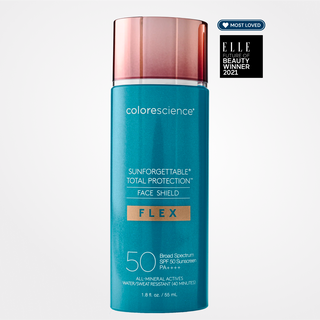
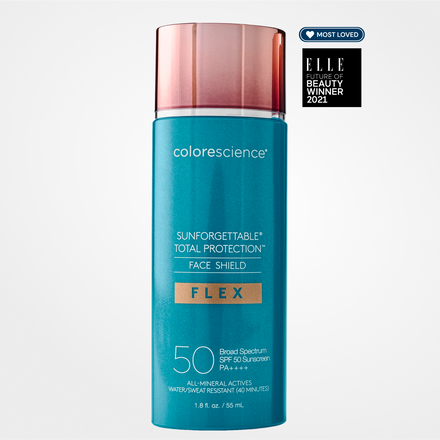
Keep a second sunscreen — a mineral stick or a tinted SPF — in your bag or car. The best sunscreen is the one you’ll actually reach for again at lunchtime.
Your summer retinol game plan
Apply retinol at night
Vitamin A is photosensitive, so it works best — and most safely — in your PM routine. Cleanse, apply to dry skin, then follow with a nourishing moisturizer to buffer it.
Follow with SPF every single morning
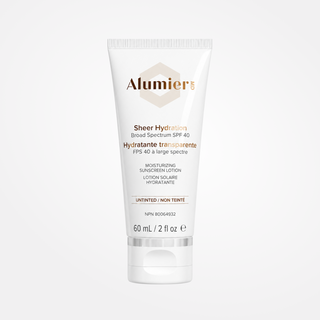
This is the step that makes everything else safe. Use a broad-spectrum sunscreen of at least SPF 30 the morning after every retinol night, and reapply outdoors. To understand filters, read our explainer on mineral tinted sun protection.
Start low and go slow
New to retinol, or restarting after a break? Begin with a lower strength a couple of nights a week, then build up. Gradual is how you get results without the flaking.
Layer with hydrators
Hyaluronic acid and ceramides keep skin comfortable and offset dryness while you adjust. A supportive night moisturizer over your retinol makes a real difference by morning.
Hold off on other strong actives
While adjusting, pause exfoliating acids (AHAs/BHAs), at-home peels and professional resurfacing. Stacking actives is the fastest route to irritation — retinol is already doing the renewing.
Don’t let cloudy days fool you
Keep retinol consistent at night, and SPF consistent by day — rain or shine.
Choose your retinol — by strength
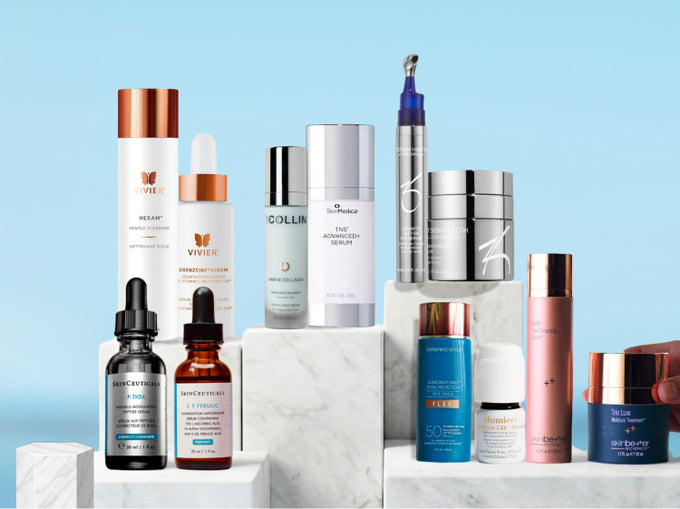
This is where you get to choose. We carry one of Canada’s widest ranges of medical-grade retinol from trusted names like SkinCeuticals, ZO Skin Health, Vivier, AlumierMD, Obagi and SkinMedica — so you can match brand, strength and texture to your skin. The golden rule in summer is the same as any season: start at the right level and build up slowly.
BeginnerLower strength — 0.25–0.3%
New to retinol, or easing back in? Start here a couple of nights a week.
 SkinCeuticals Retinol 0.3$105A smooth entry point from a derm-favourite brandShop →
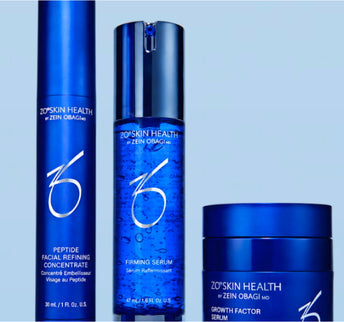
 ZO Retinol Skin Brightener 0.25%$145Gentle retinol that brightens tone and clarityShop →
 Vivier Retinol 0.3%$110Poly-Pore® encapsulated for a gentle releaseShop →
 AlumierMD Retinol Resurfacing 0.25%$118.5A gentle starting point for sensitive skinShop →
Mid strength — 0.5%
Once your skin is comfortable at a lower strength, step up for faster visible results.
 SkinCeuticals Retinol 0.5$115A confident mid-strength step upShop →
 ZO Retinol Skin Brightener 0.5%$165Brightens and evens tone as it renewsShop →
 Vivier Retinol 0.5%$118Encapsulated pure retinol, time-releasedShop →
 SkinMedica Retinol Complex 0.5$83Antioxidant-rich, well-cushioned complexShop →
High strength — 1.0%
For experienced users whose skin is well conditioned and ready for maximum renewal.
 SkinCeuticals Retinol 1.0$125Maximum-strength refinement for seasoned usersShop →
 ZO Radical Night Repair$2401% encapsulated retinol, overnight treatmentShop →
 Vivier Retinol 1.0%$148High-potency results in the least timeShop →
 Obagi360 Retinol 1.0$130Slow-release 1% for experienced skinShop →
For the delicate eye area

Want to see everything side by side? Browse the full WeDoSkin Retinols collection — and if you’re unsure which strength is right, our retinol strength guide walks you through it.
A gentler route: summer-friendly alternatives
Retinol isn’t the only path to smoother, firmer, brighter-looking skin — and it isn’t right for everyone. If your skin runs sensitive, you’re spending long days in direct sun, or you’re pregnant or breastfeeding (when retinoids are typically set aside), these alternatives deliver visible results without increasing sun sensitivity the way vitamin A can. Many people lean on them through peak summer, then reintroduce retinol in cooler months.
Peptides & hyaluronic acid — firm and plump
Peptides help signal the skin to support collagen, while hyaluronic acid floods it with hydration for an instantly smoother, plumper look — with virtually no risk of irritation.
Growth factors — renew and strengthen
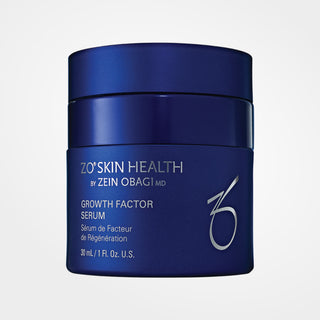
Growth-factor formulas support the skin’s natural renewal and barrier, a popular retinol alternative for visible firmness and resilience without the adjustment period.
Vitamin C — brighten and protect by day
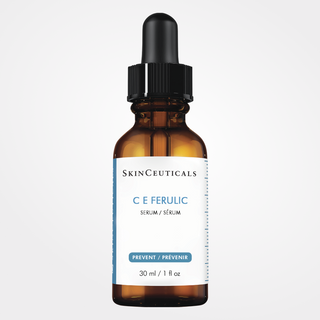
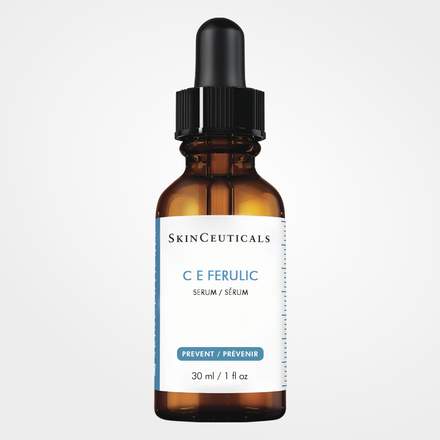
A daytime antioxidant that brightens, evens tone and defends against summer’s environmental stress — the perfect partner to your SPF.
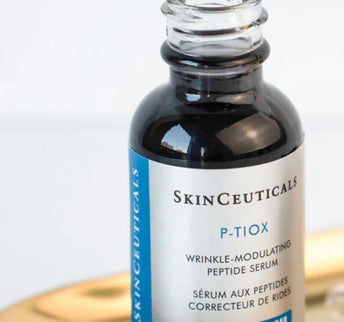
 AnteAGE MD Biosome Accelerator$208Growth-factor formula, a gentle retinol alternativeShop →
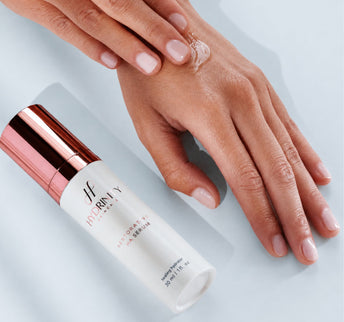
 Hydrinity Renewing HA Serum$236Peptides + HA to firm, plump and smooth linesShop →
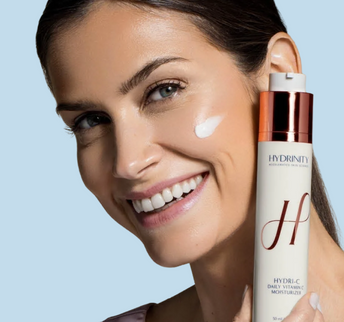
 Hydrinity Hydri-C Vitamin C Moisturizer$252Brightening antioxidant moisturizer for daytimeShop →
 Hydrinity Vivid Brightening Serum$252Hydroquinone-free for dark spots and uneven toneShop →
Prefer a plant-based option? Bakuchiol — often called "nature’s retinol" — and niacinamide both smooth and calm without added sun sensitivity. Reach out to our team and we’ll let you know what’s currently in stock.
Even with a gentle, non-retinol routine, daily broad-spectrum SPF is still your single most effective anti-ageing step. Alternatives lower sun sensitivity — they don’t replace sunscreen.
Keep your glow going all summer
Shop authentic, medical-grade retinols, gentle alternatives and broad-spectrum sunscreens — curated and Canadian.
Shop retinols & alternativesAuthorized Retailer
45-Day Guarantee
Free Canadian Shipping
Frequently asked questions
Should I stop using retinol in summer?
No. As long as you apply a broad-spectrum SPF 30+ each morning, you can safely use retinol year-round. Stopping only resets your skin’s tolerance and slows results.
What happens if I use retinol without sunscreen?
Retinol can increase your skin’s sensitivity to UV. Skipping sunscreen leaves fresh skin more prone to burning, irritation and the very signs of ageing you’re trying to prevent.
What’s a good retinol alternative for summer?
Peptides, growth factors, bakuchiol, niacinamide and vitamin C all smooth, firm or brighten without increasing sun sensitivity — great for sensitive skin, long days outdoors, or anyone taking a break from vitamin A.
Which retinol strength should I start with?
If you’re new, begin with a lower strength (0.25–0.3%) such as SkinCeuticals Retinol 0.3 or a ZO, Vivier or AlumierMD starter, two to three nights a week. Build up to 0.5% then 1.0% as your skin adjusts.
Do I apply SPF or retinol first?
They live in different routines. Retinol goes on at night; sunscreen goes on in the morning as the last step of your daytime skincare, before makeup.
Is retinol better for summer or winter?
Both — it’s a year-round ingredient. Only your daytime sun protection needs to ramp up in summer, and that should be high all year.
Recommended reading
- The retinol strength guide: beginner vs. advanced
- The science behind mineral tinted sun protection
- 7 must-have skincare products for Canadian beauty lovers
- Shop broad-spectrum sunscreens
The WeDoSkin Team
Canada’s destination for authentic, medical-grade skincare.
Prices shown are current at time of publishing and may change. This article is for educational purposes only and is not medical advice. Individual results vary. If you have a skin condition, are pregnant or breastfeeding, or have concerns about a new active ingredient, consult a qualified skincare professional or physician.
Reviewed under medical oversight
This guide is reviewed by Dr. J. Porter, Medical Reviewer at the WeDoSkin Clinic in Calgary. As a Preferred Authorized Retailer, our clinical team works with these brands every day. Educational information, not a substitute for personalized medical advice. Our medical-review standards →
