



Pregnancy-Safe Skincare: The Clinical Guide (2026)
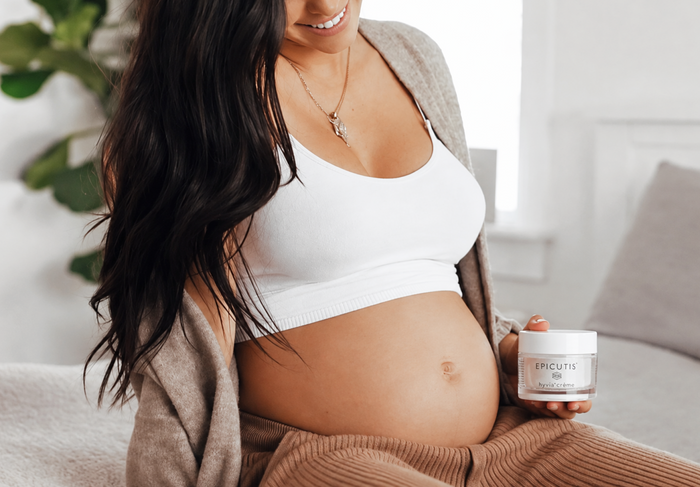
The moment two lines appear on a test, a certain panic sets in about the bathroom cabinet. Suddenly every serum feels suspect, the forums are full of contradictory advice, and "pregnancy-safe" gets slapped on watered-down products at a premium. Here's the calmer truth: you do not need to bin your entire routine. The list of ingredients to actually set aside during pregnancy is short and specific, and almost everything else — the antioxidants, the hydrators, the sunscreen — not only stays, it becomes more important than ever.
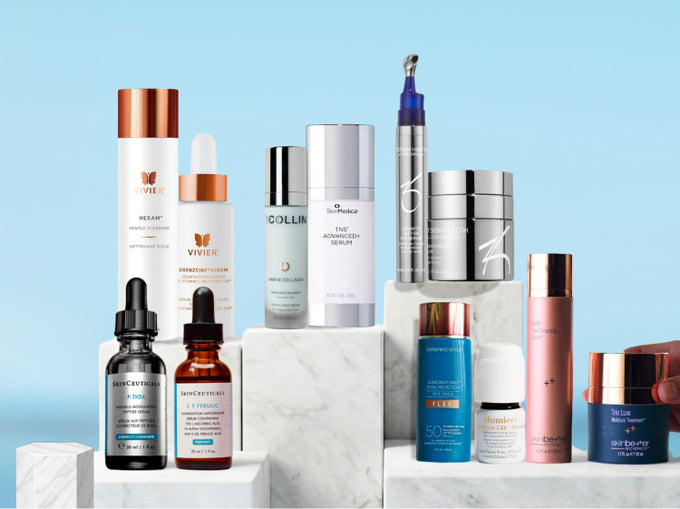
This guide is the clinical version, not the scaremongering one. We'll cover what's really happening to your skin during pregnancy, the genuinely short "pause" list and why each item is on it, the reassuring green-light actives that do real work, and how to assemble a simple, safe routine. WeDoSkin carries 40+ medical-grade lines, so this is written to help you choose calmly and well — not to sell you a fear-priced "bump" kit.
An important note first: This article is general educational information, not medical advice. Pregnancy guidance is individual and evolving, and the safest routine is one your own OB-GYN, midwife or dermatologist has signed off on. When in doubt about any single product, ask them — and treat their word as final over anything you read online, here included.
What actually happens to your skin during pregnancy
Pregnancy is a hormonal earthquake, and your skin sits right on the fault line. Three shifts dominate. First, surging hormones can ramp up oil production, which is why plenty of people who never broke out find themselves dealing with pregnancy breakouts. Second, those same hormones stimulate melanocytes — the cells that make pigment — which can bring on stubborn dark spots, the blotchy "mask of pregnancy" across the cheeks, forehead and upper lip. Third, skin often becomes more sensitive and reactive, so the strong actives you tolerated before may suddenly sting. Understanding this reframes the whole goal: a pregnancy routine isn't about aggressive transformation, it's about gently managing hormone-driven changes while protecting the skin and keeping the barrier calm.
The short "pause" list (and why each is on it)
This is the part everyone wants, and the good news is how short it is. These are the ingredients most clinicians ask you to set aside — some for established reasons, most out of an abundance of caution.
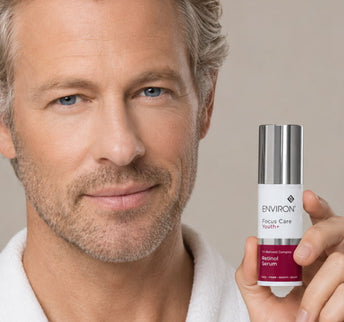
- Retinoids — the clearest one to pause. Retinol, retinaldehyde and especially prescription tretinoin are vitamin-A derivatives. Oral retinoids are known to cause harm in pregnancy, and while topical absorption is low, the whole class is set aside as a precaution. This is the single active almost every source agrees to stop — swap your retinoid for a pregnancy-friendly alternative below.
- Hydroquinone — pause it. This prescription-strength skin-lightener has notably high absorption compared with most topicals, so it's routinely avoided in pregnancy. If you were using it for dark spots, azelaic acid and vitamin C are the go-to substitutes.
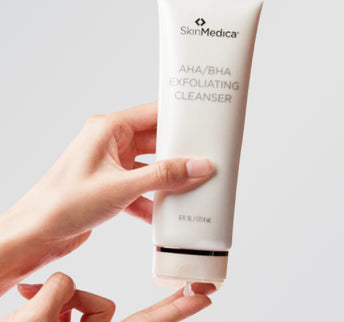
- High-strength salicylic acid — use caution. Low-dose salicylic (BHA) in a rinse-off cleanser is generally considered fine; it's high-concentration leave-on treatments and peels that are typically avoided. When unsure, favour gentler exfoliation.
- Certain essential oils and high-dose actives. A handful of essential oils and very potent formulations are commonly flagged. This is exactly the kind of detail worth running past your provider.
Notice what's not on this list: your sunscreen, your antioxidant, your hydrators, your gentle cleanser. Those stay.
The green-light actives that actually work
Pausing a few things doesn't mean doing nothing. These are the reassuring, effective actives that keep a pregnancy routine genuinely useful — think of them as the safe toolkit.
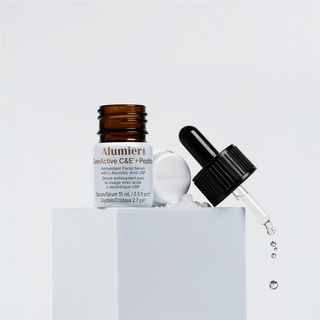
Vitamin C
Antioxidant defence and brightening — a safe, hard-working answer to the free-radical damage and dullness of pregnancy.
Azelaic Acid
The MVP: gentle, safe, and tackles pregnancy breakouts and stubborn dark spots at once. The classic stand-in for retinoids and hydroquinone.
Hyaluronic Acid
Pure hydration with no penetration concerns — comfort for sensitised, changing skin. Layers under everything.
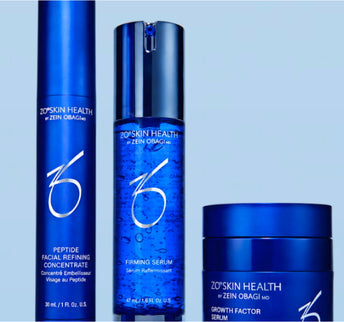
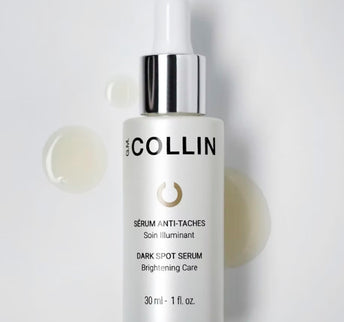
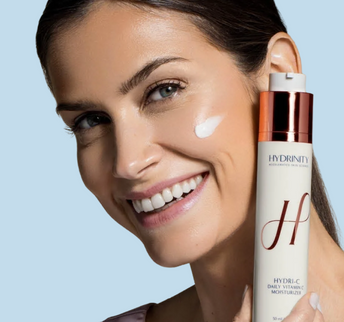
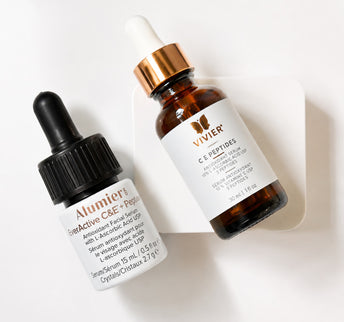
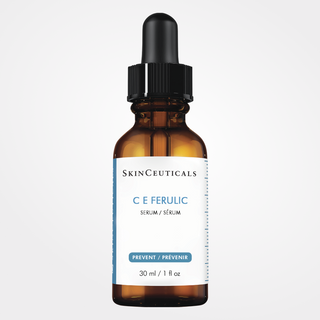
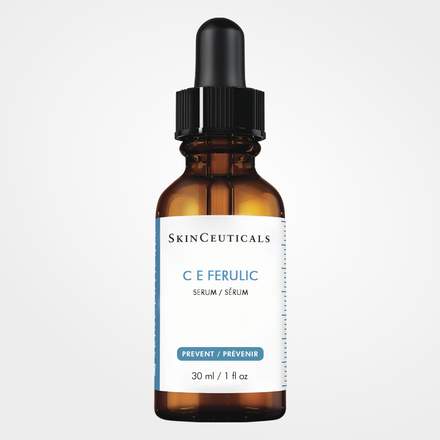
Beyond those three, niacinamide is a superb, calming all-rounder that helps with oil, redness and tone; low-strength glycolic or lactic acid offers gentle exfoliation if your skin tolerates it; and peptides support the skin without any of the concerns attached to retinoids. Topical vitamin C like C E Ferulic and hydrating serums such as H.A. Intensifier both stay firmly on the menu. For lingering pigment, reach for the pregnancy-friendly correctors in our dark spot correctors guide rather than hydroquinone.
Sunscreen: the one that matters most now
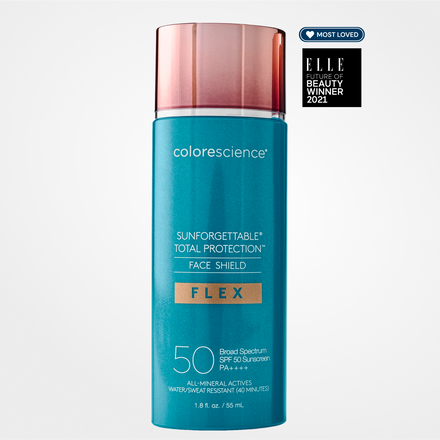
If you take a single thing from this guide, take this: sunscreen is non-negotiable during pregnancy, and arguably more important than at any other time. Because pregnancy hormones prime your skin to make excess pigment, unprotected sun is what turns a hormonal tendency toward stubborn dark spots into a visible, stubborn mask. Daily broad-spectrum SPF is the difference. Many people prefer a mineral (zinc/titanium) sunscreen during pregnancy — it sits on the surface rather than absorbing, which feels reassuring, and it's excellent for reactive skin. A mineral option like Physical Fusion UV Defense SPF 50 makes daily wear easy. Reapply, wear it indoors near windows, and treat it as the anchor of the entire routine.
The most common pregnancy skin concerns — and what to reach for
Pregnancy tends to bring the same handful of complaints. Here's how to handle each one within the safe toolkit, rather than reaching for the things you've paused.
Stubborn dark spots (the "mask of pregnancy")
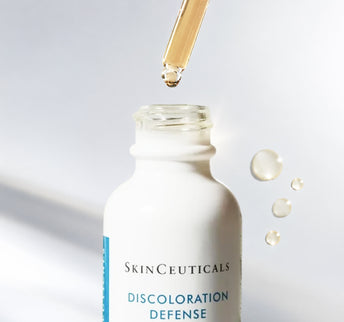
The most common and most stubborn. Blotchy brown patches appear across the cheeks, forehead and upper lip, driven by hormones plus sun. Because hydroquinone is off the table, your defence is twofold: relentless daily mineral SPF to stop it worsening, and gentle brighteners — azelaic acid, vitamin C and niacinamide — to fade what's there. It often improves on its own after birth, so patience and protection beat aggression. See the pregnancy-friendly options in our dark spot correctors guide.
Pregnancy breakouts
The hormonal oil surge can trigger breakouts even in people with previously clear skin. With retinoids and strong salicylic treatments paused, azelaic acid becomes the hero — it's purifying, calms visible redness and helps tone, all in one gentle step. A low-dose salicylic cleanser and niacinamide round out a safe anti-breakout approach without stripping the barrier.
Dryness, sensitivity and itch
As skin stretches and hormones shift, many people find their skin drier, tighter and more reactive than usual. This is where hyaluronic acid and a good barrier-repair moisturiser earn their keep. Keep actives gentle, layer hydration generously, and if any new or severe itch appears, mention it to your provider — occasionally it signals something worth checking.
A simple, safe pregnancy routine
You don't need ten steps. A calm, effective pregnancy routine looks like this:
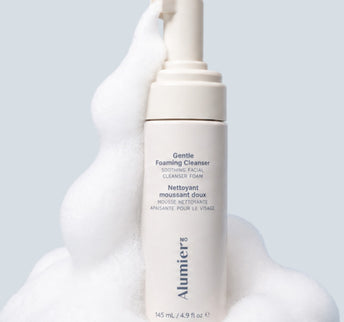
- Morning: A gentle cleanser, an antioxidant vitamin C serum, a hydrating serum if skin feels dry, moisturiser, and — always — a mineral SPF.
- Evening: Cleanse, then treat what's actually bothering you — azelaic acid or niacinamide for breakouts and tone (in place of your usual retinoid), followed by a barrier-supporting moisturiser.
- As needed: Extra hydration and barrier care, since pregnancy skin is often drier and more reactive. Keep it gentle and consistent.
Browse the pregnancy-friendly options across our Vitamin C, Hydration and Mineral Sunscreen collections.
The honest verdict
Strip away the noise and it comes to this. Genuinely pause: retinoids and hydroquinone — clear enough that it's not worth the worry. Use with caution or check first: high-strength salicylic acid, potent peels, and a handful of essential oils. Keep and lean on: vitamin C, azelaic acid, niacinamide, hyaluronic acid, peptides, gentle cleansers, and above all daily mineral sunscreen. The biggest mistake people make in pregnancy isn't using something risky — it's panicking, stripping their routine down to nothing, and letting stubborn dark spots and dryness run wild because they were too scared to protect and hydrate. A calm, safe routine beats no routine, every time. And whenever a specific product gives you pause, your provider's answer is the one that counts.
Pregnancy skincare mistakes to avoid
- Throwing out everything in a panic. The pause list is short. Ditching your sunscreen and hydrators does more harm than keeping them.
- Skipping sunscreen and feeding stubborn dark spots. The mask of pregnancy is driven by hormones plus UV. Daily SPF is the single most protective habit you have right now.
- Assuming "natural" means "safe." Several essential oils are on caution lists. Natural is not automatically pregnancy-appropriate — check ingredients, not marketing.
- Trusting a forum over your doctor. Advice online is contradictory and often outdated. Your OB, midwife or dermatologist has the final word on your routine.
- Reaching for hydroquinone on new dark spots. Pause it and use azelaic acid or vitamin C instead — effective, and far more reassuring during pregnancy.
Frequently asked questions
What ingredients should I avoid during pregnancy?
Most commonly retinoids (retinol, retinaldehyde, tretinoin), hydroquinone, high-strength salicylic acid, and certain essential oils. Low-dose salicylic in a cleanser is generally considered fine. Always confirm your full routine with your doctor.
Is vitamin C safe during pregnancy?
Topical vitamin C is widely considered safe and genuinely useful — antioxidant defence plus brightening, which helps counter pregnancy-related stubborn dark spots. It pairs well with your essential daily sunscreen. Confirm your routine with your provider.
Can I use azelaic acid while pregnant?
Azelaic acid is one of the more reassuring active choices and is often used for pregnancy breakouts and stubborn dark spots at once. It's a common substitute for retinoids and hydroquinone. Every pregnancy differs, so check with your doctor first.
Why is sunscreen so important in pregnancy?
Pregnancy hormones prime skin to overproduce pigment, so unprotected sun is what turns that tendency into visible stubborn dark spots. Daily broad-spectrum SPF — many prefer mineral — is the most protective step you can take.
The Pregnancy Non-Negotiable

SkinCeuticals Physical Fusion UV Defense SPF 50
The Intel: A 100% mineral broad-spectrum SPF 50 with a universal tint — the reassuring, reactive-skin-friendly sunscreen that's the anchor of any pregnancy routine and your best defence against the mask of pregnancy. Fresh and authorized from WeDoSkin.
WHY CANADIANS CHOOSE WEDOSKIN
Authorized RetailerFully authorized clinical partner for all 40+ brands. Fresh, active product guaranteed.
|
45-Day GuaranteeProtected orders are covered by a 45-day window for total peace of mind on your investment.
|
Free ShippingBuild your clinical routine without shipping fees. Free delivery on Canadian orders over $65.
|
Clinical DeliveryClimate-conscious logistics help preserve the integrity of active, temperature-sensitive formulas.
|
5-Star ReputationThousands of patients trust our clinical team for their medical-grade shopping and guidance.
|
Expert GuidanceNot sure what's safe for your pregnancy? Our team can help you build a gentle routine to review with your doctor.
|
Building a pregnancy-safe routine?
Tell us your skin type and concerns and our clinical team will map a gentle, protective routine of pregnancy-friendly options — one you can take straight to your doctor or midwife to confirm.
Talk to a WeDoSkin ExpertReviewed under medical oversight
This guide is reviewed by Dr. J. Porter, Medical Reviewer at the WeDoSkin Clinic in Calgary. As a Preferred Authorized Retailer, our clinical team works with these brands every day. Educational information, not a substitute for personalized medical advice. Our medical-review standards →
