



Stubborn Dark Spots: The Clinical Guide (2026)
Stubborn dark spots: The Clinical Treatment Guide
The most misunderstood pigment problem there is. Stubborn dark spots isn't a stubborn dark spot you can scrub away — it's a condition you manage. Here's what actually works, what makes it worse, and the honest truth about "improves the look of" it.
Let's start with the hard truth almost no product ad will tell you: you cannot scrub, peel or laser stubborn dark spots into oblivion, and trying to is the single fastest way to make it worse. Stubborn dark spots is not a sun spot and it's not a scar — it's a chronic, hormone-driven pigment condition, and it needs to be treated like one. The people who win against stubborn dark spots aren't the ones with the most aggressive routine. They're the ones who understand what it is, protect relentlessly, and treat it gently and consistently for the long haul.
That reframe matters, because the wrong approach doesn't just fail — it backfires. Stubborn dark spots is famously easy to inflame, and heat, harsh actives and the wrong laser can leave you darker than you started. This guide is the clinical version: what stubborn dark spots actually is and how it differs from other dark marks, exactly what triggers it, the real treatment ladder from sunscreen to prescription actives, the honest verdict on hydroquinone, and how to keep it faded once you get there. WeDoSkin carries 40+ medical-grade lines, so this is written to help you build a smart, gentle plan — not to sell you the strongest bottle on the shelf.
A note on scope: Stubborn dark spots is a genuine dermatological condition, and stubborn or extensive cases are best managed with a dermatologist who can prescribe and monitor treatment. This guide is educational and product guidance is general — for a diagnosis and a prescription-level plan, see a skin professional.
What stubborn dark spots actually is (and what it isn't)
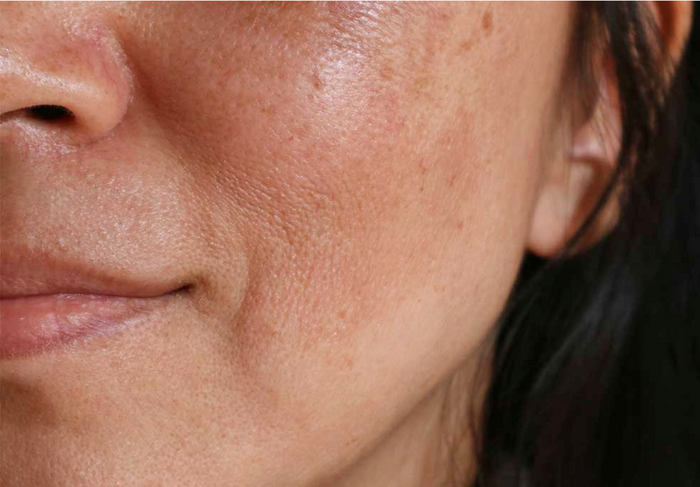
Stubborn dark spots shows up as symmetrical, blotchy patches of brown or grey-brown pigment, usually across the cheeks, forehead, upper lip and bridge of the nose — the areas the sun hits most. It's driven by overactive melanocytes (pigment-producing cells) that have been sensitised by hormones and switched on by light. Critically, it is not the same as the pigment problems it's often confused with, and the distinction changes how you treat it. A discrete sun spot (solar lentigo) is a single defined mark from cumulative UV and responds well to targeted correctors and lasers. Post-inflammatory hyperpigmentation (PIH) is a brown mark left behind by breakouts or injury and fades as skin turns over. Stubborn dark spots is the tricky one: diffuse, hormonally fuelled, prone to relapse, and easily aggravated by the very treatments that clear the other two. If your "dark spots" are large, symmetrical patches that flare in summer, you're likely dealing with stubborn dark spots — and that means gentle-and-consistent beats aggressive-and-fast every time. For discrete spots instead, our dark spot correctors guide is the better starting point.
What triggers stubborn dark spots
Stubborn dark spots is a two-part problem: a hormonal predisposition that loads the gun, and light that pulls the trigger. Understanding both is what makes control possible.
Sun & UV
The primary trigger. UV switches on sensitised pigment cells — the reason stubborn dark spots flares every summer and why sunscreen is the whole foundation of control.
Hormones
Pregnancy, birth control and hormone therapy prime melanocytes to overreact. This is why stubborn dark spots overwhelmingly affects women.
Heat & Visible Light
Often missed: heat itself and visible light from the sun, screens and windows can drive stubborn dark spots — so UV-only sunscreens aren't enough.
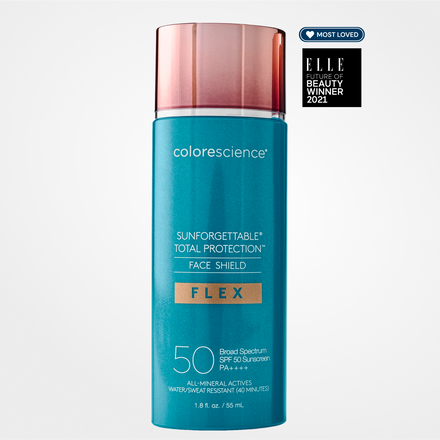
That third card is the one most people get wrong. Because visible light and heat are triggers, a standard chemical sunscreen that only handles UV can leave stubborn dark spots simmering. This is why the clinical standard for stubborn dark spots is a tinted mineral sunscreen — the iron oxides in the tint are what block the visible light that keeps stubborn dark spots switched on. It's the most important product decision you'll make.
The treatment ladder: from foundation to prescription
Effective stubborn dark spots treatment is layered, and the order matters. Skipping the foundation to jump straight to strong actives is why so many routines fail.
Step 1 — Sun protection (the non-negotiable foundation)
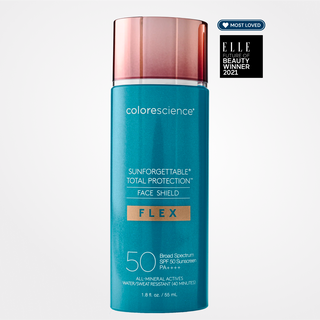
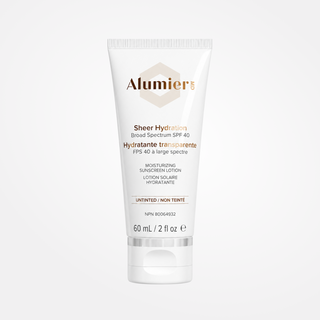
Nothing else works without this. A daily tinted mineral SPF that blocks UV and visible light is the base of every successful stubborn dark spots plan — reapplied, worn indoors near windows, and treated as the one step you never skip. Start in our Mineral Sunscreen collection, and see the full field in our best medical-grade sunscreens guide.
Step 2 — Pigment-regulating actives (gentle, daily)
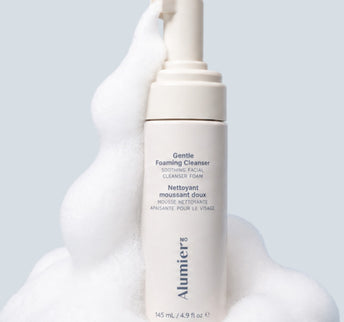
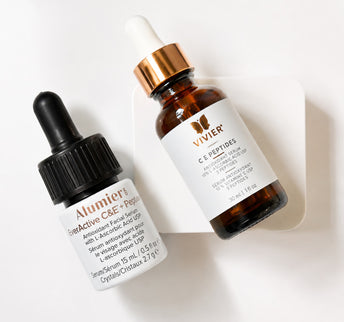
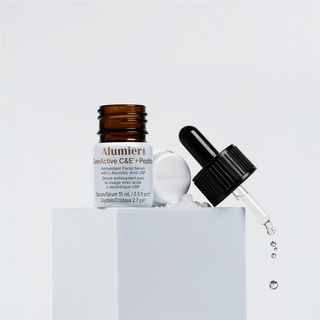
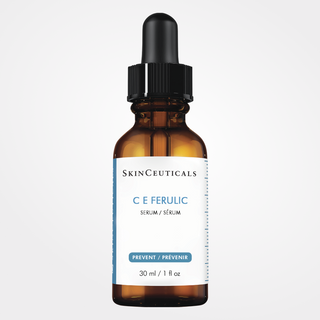
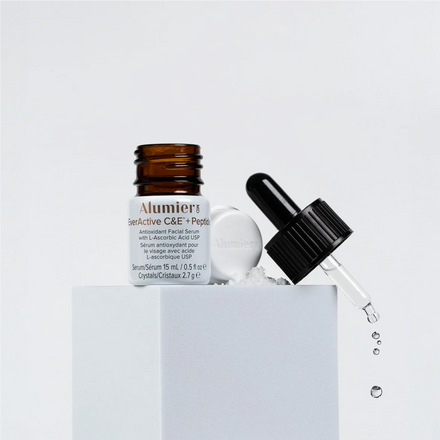
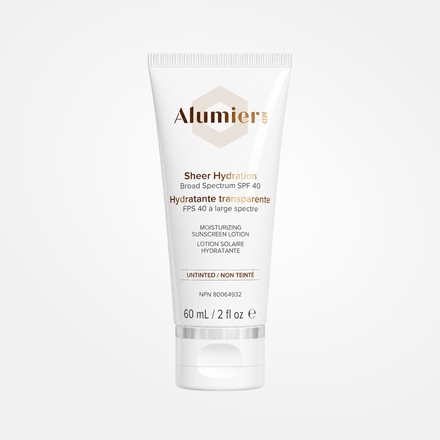
On top of protection, these ingredients calm overactive pigment cells and fade what's there. Tranexamic acid is the modern star — it targets the pathway that drives stubborn dark spots specifically and is gentle enough for long-term use. Azelaic acid is a reliable, well-tolerated all-rounder that's also pregnancy-friendly. Vitamin C brightens and adds antioxidant defence (see our best vitamin C serums guide), and niacinamide, arbutin, kojic acid and licorice round out the gentle brightening toolkit. This is where hydroquinone-free correctors like Discoloration Defense (tranexamic + kojic + niacinamide), the Environ Mela-Fade Serum System and Alumier Intellibright do their work.
Step 3 — Prescription actives (targeted, monitored)
Hydroquinone remains the most effective single lightening agent and is often prescribed in short, supervised courses — but it's not a forever product (more below). Prescription retinoids support cell turnover and enhance results; match strength carefully using our retinol strength guide, and pause them in pregnancy.
Step 4 — In-clinic procedures (cautiously)
Gentle chemical peels and specific low-energy laser or device protocols can help resistant stubborn dark spots — but only in experienced hands. Stubborn dark spots is notorious for rebounding worse after aggressive lasers or heat, so procedures are the top of the ladder, not the first rung, and always paired with strict sun protection.
The honest verdict on hydroquinone
Hydroquinone is the ingredient everyone asks about, so here's the straight version. It is genuinely the most powerful topical lightener available, and for stubborn stubborn dark spots it often delivers results nothing else matches. But it's a treatment, not a maintenance product: it's used in supervised courses (typically a few months on, then a break) because long-term continuous use can cause its own problems, including a rare paradoxical darkening. That's why the modern approach pairs short hydroquinone courses with a long-term, hydroquinone-free maintenance routine — you fade hard with the prescription, then hold the result with gentler actives and, always, sunscreen. Both approaches live at WeDoSkin: browse prescription-strength options in our Hydroquinone collection, and the hydroquinone-free correctors reviewed in our Discoloration Defense vs Vivier vs ZO comparison. The right choice depends on your skin, your history and your dermatologist's guidance.
Stubborn dark spots and pregnancy
Because pregnancy is one of the biggest hormonal triggers, the "mask of pregnancy" is one of the most common ways stubborn dark spots appears — and it comes with a catch: the two most powerful tools, hydroquinone and retinoids, are both paused during pregnancy and breastfeeding. The plan shifts to relentless mineral sun protection plus the pregnancy-safe brighteners: azelaic acid, vitamin C and niacinamide. The reassuring part is that pregnancy-related stubborn dark spots often fades on its own after birth, so the priority is protection and patience over aggression. Our pregnancy-safe skincare guide lays out exactly what's safe to use.
Your stubborn dark spots toolkit
Here are the pigment-regulating options that do real work, with where each fits.
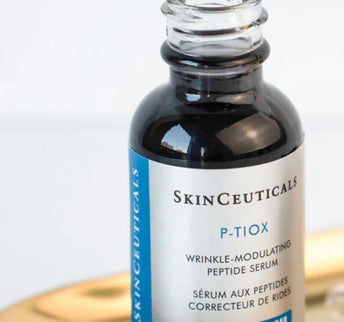
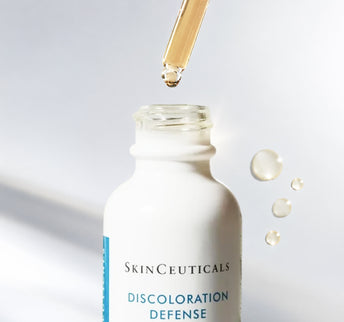
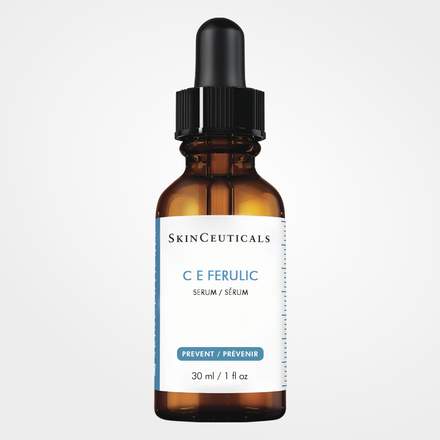
SkinCeuticals Discoloration Defense — the hydroquinone-free hero
Tranexamic acid, kojic acid and niacinamide in one serum — a modern, gentle, long-term stubborn dark spots corrector and the ideal maintenance active. Discoloration Defense, $172.
Environ Mela-Fade Serum A & B System — the targeted duo
A two-part vita-botanical system built specifically for uneven tone and pigmentation, from the brand that pioneered vitamin-A skincare. Mela-Fade System, $130.
Alumier Intellibright Complex — the multi-active brightener
Arbutin, kojic acid and licorice target stubborn dark spots and sun damage together — a gentle, layered fade. Intellibright Complex, $136.
SkinCeuticals Phyto A+ Brightening — for pigment with congestion
Pairs brightening botanicals with a lightweight gel-cream texture, useful when tone and blemish-prone skin overlap. Phyto A+, $155.
Stubborn dark spots mistakes that make it worse
- Caring for it like a sun spot. Aggressive scrubs, high-strength peels and hot lasers inflame stubborn dark spots and can rebound darker. Gentle and consistent wins.
- Using a UV-only sunscreen. Visible light and heat are triggers. Without a tinted mineral SPF blocking visible light, you're leaving the door open.
- Chasing fast results and over-exfoliating. Irritation is fuel for stubborn dark spots. More actives, more often, is the opposite of what this condition needs.
- Stopping the moment it fades. Stubborn dark spots relapses without maintenance. Faded is not cured — the sunscreen and gentle actives stay indefinitely.
- Staying on hydroquinone forever. It's a course, not a lifestyle. Long continuous use can backfire; transition to a hydroquinone-free maintenance plan under guidance.
Frequently asked questions
Can stubborn dark spots be cured permanently?
It's managed, not cured. With sun protection, pigment-regulating actives and patience it fades dramatically, but it tends to return if protection lapses. The goal is long-term control, not a one-time fix.
What's the best treatment for stubborn dark spots?
A layered approach: daily tinted mineral SPF as the foundation, plus actives like tranexamic acid, azelaic acid, vitamin C and — where appropriate — hydroquinone. Gentle and consistent beats aggressive every time.
Is stubborn dark spots caused by sun or hormones?
Both. Hormones prime the pigment cells to overreact; sun and visible light switch that overactivity on. It's why stubborn dark spots flares in summer and pregnancy, and why sun protection is central.
Why does my stubborn dark spots keep coming back?
Its drivers — hormonal sensitivity and light exposure — are ongoing. A few days of unprotected sun can reactivate it. Recurrence means maintenance is needed indefinitely, not that treatment failed.
The Modern Stubborn dark spots Corrector

SkinCeuticals Discoloration Defense
The Intel: Tranexamic acid, kojic acid and niacinamide in one gentle serum — the modern, hydroquinone-free way to fade stubborn dark spots and hold it there for the long term. The ideal maintenance active for controlling pigment. Fresh and authorized from WeDoSkin.
WHY CANADIANS CHOOSE WEDOSKIN
Authorized RetailerFully authorized clinical partner for all 40+ brands. Fresh, active product guaranteed.
|
45-Day GuaranteeProtected orders are covered by a 45-day window for total peace of mind on your investment.
|
Free ShippingBuild your clinical routine without shipping fees. Free delivery on Canadian orders over $65.
|
Clinical DeliveryClimate-conscious logistics help preserve the integrity of active, temperature-sensitive formulas.
|
5-Star ReputationThousands of patients trust our clinical team for their medical-grade shopping and guidance.
|
Expert GuidanceNot sure where to start with stubborn dark spots? Our team can help you build a gentle, sun-first plan.
|
Struggling with stubborn stubborn dark spots?
Tell us your history and triggers and our clinical team will map a gentle, sun-first plan — the right correctors for your skin, and when it's time to involve a dermatologist.
Talk to a WeDoSkin ExpertReviewed under medical oversight
This guide is reviewed by Dr. J. Porter, Medical Reviewer at the WeDoSkin Clinic in Calgary. As a Preferred Authorized Retailer, our clinical team works with these brands every day. Educational information, not a substitute for personalized medical advice. Our medical-review standards →
