



Redness-Prone Skin and Autumn: Why the Swing Matters More Than the Cold
Indoor heating drops humidity to near-desert levels. For redness-prone skin the swing, not the cold, is the trigger.
Here is the uncomfortable thing about autumn redness: it is almost never caused by the weather you are blaming. People point at the cold. The cold is not doing much. What is doing the damage is the thirty-second walk from a two-degree street into a twenty-two-degree living room, repeated six times a day, in a house whose furnace has quietly dropped the indoor humidity to somewhere between thirty and twenty percent.
That is drier than a lot of desert air. Your barrier spent all summer in humid conditions and adapted to them. In October it is suddenly working in an environment it has no answer for, and everything you have been using happily since June starts to sting. Same products. Different planet.
So the honest version of a redness-prone skin autumn plan is not a shopping list. It is a subtraction exercise with one or two additions at the end. Below is what we actually change, in the order we change it, and the eight products worth owning if you are going to own any.
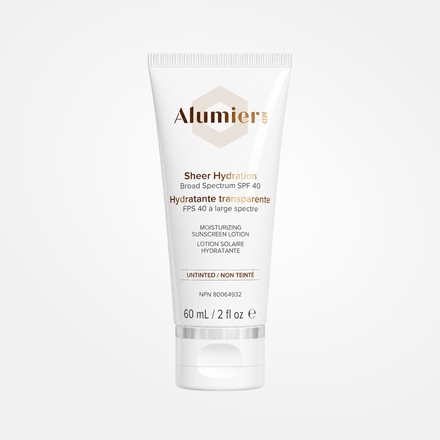
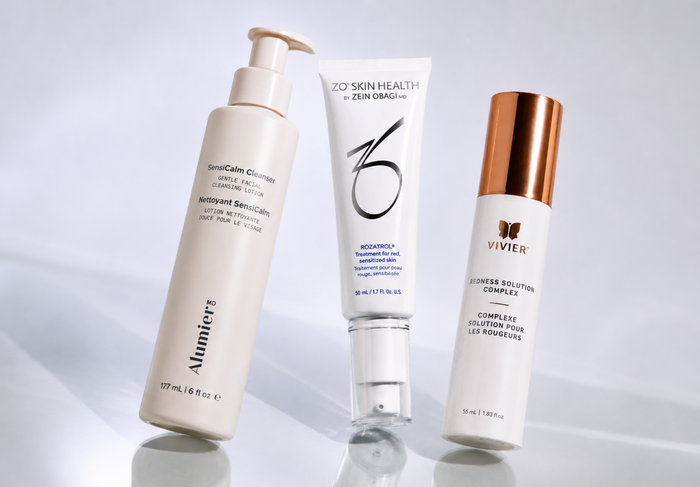
Fix the cleanser first — a foaming, squeaky-clean wash is the biggest autumn aggravator there is. Move to SensiCalm, run one anti-redness active rather than three (Calm-R is our default), seal it with HydraCalm, drop your shower temperature, and keep SPF running all winter. Four changes. Three of them are free.
What Actually Triggers an Autumn Flare
The humidity cliff nobody measures
A heated Canadian home in November routinely sits below thirty percent relative humidity, and plenty sit closer to twenty. Skin loses water to dry air faster than the barrier can replace it, and a barrier running a water deficit is a barrier that cannot moderate its own inflammatory response. Everything downstream of that — the stinging, the reactivity, the flush that will not settle — is a symptom of that one number.
The swing, not the cold
Cold air alone constricts surface vessels. Warm air dilates them. Doing both, repeatedly, all day, is the actual trigger. In skin without a vascular tendency the flush fades in a few minutes. In redness-prone skin it lingers, and the next swing lands before the last one has cleared. Redness accumulates rather than resolving. That is why October feels like a sudden change when nothing about your routine changed at all.
Why the barrier is the real patient
It is tempting to treat redness as the problem and buy something anti-red. But in most autumn cases redness is downstream of barrier function, which is why people who buy a redness serum and change nothing else so often report that it “did nothing”. It probably did what it could, on a barrier that was losing the argument. Fix the barrier and a modest active suddenly looks impressive.
The One Change That Beats Every Serum You Could Buy
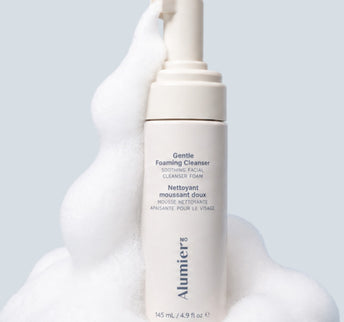
If your face squeaks after washing, you are not clean — you are stripped. A high-foaming gel that behaved perfectly through July removes too much of the lipid layer once ambient humidity falls, and every product you apply afterwards lands on a barrier with no defences. The serum then gets blamed for the sting.
Switching to a cream or non-foaming cleanser costs less than any serum on this page and changes the performance of everything else in the routine. We put it first for a reason. If you only make one change this autumn, make this one and give it three weeks before touching anything else.
One Anti-Redness Active. Not Three.
Why the layering instinct backfires
This is the most common self-inflicted wound we see. Niacinamide, azelaic acid, a soothing serum and a barrier cream all stacked together on the theory that more calming ingredients equal more calm. In practice each extra step brings its own surfactants, preservatives and pH, and four gentle things applied together are not gentler than one. They are just four.
How to pick which one
Match the active to the actual presentation rather than to the marketing. Diffuse pink across the cheeks with sensitivity but no bumps is general reactivity. Persistent central redness with visible vessels, papules or pustules is redness-prone skin territory and deserves a clinician. Redness plus congestion and surface oil is a different animal again. All three get different first picks, which is what the comparison table further down is for.
Give it eight weeks, not eight days
Anti-redness actives are slow. Nothing on this page produces a visible change in a fortnight, and a routine judged at two weeks is a routine abandoned at two weeks. Photograph your face in daylight, without makeup, before you start. It is the only honest comparison available to you, because you cannot see gradual change in a mirror you look at every morning.
AlumierMD Calm-R Is the One We Reach For First
It is not the strongest option on this page, and that is precisely why it wins. Calm-R targets visible redness without the assertiveness that makes reactive skin worse before it gets better, and it plays well with the rest of a routine — including a low-strength retinoid on alternate nights, which most redness serums cannot claim. For diffuse autumn reactivity it is the highest ratio of result to risk we stock.
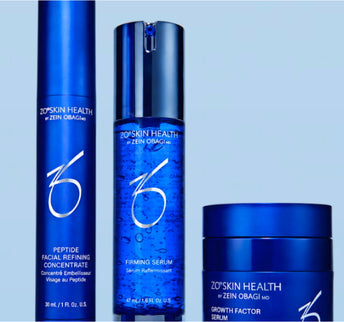
If a clinician has actually diagnosed redness-prone skin, start at Vivier Redness Solution Complex instead. If budget is the constraint, Rozatrol at $62 is a genuinely good answer.
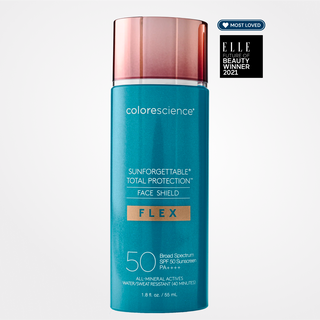
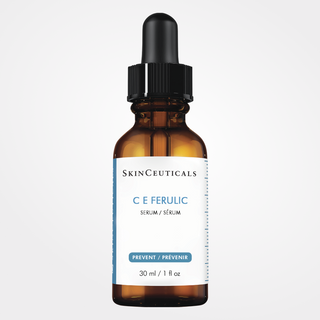
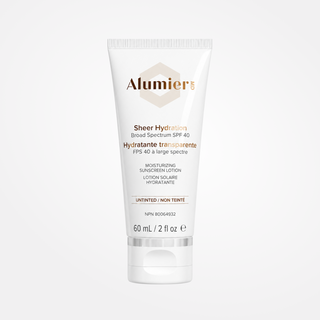
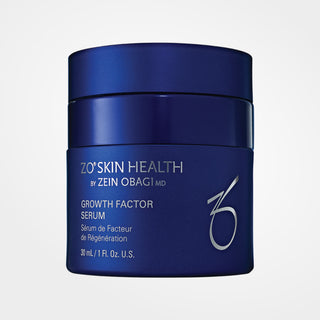
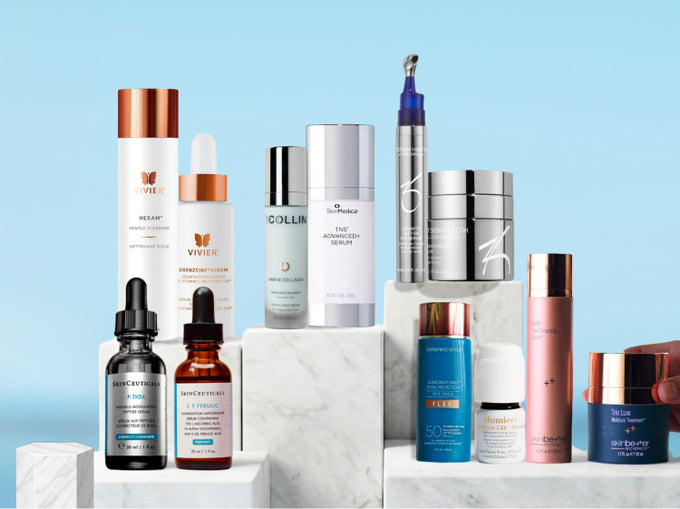
The Redness Shelf: Eight Products Worth Owning
Nobody needs all eight. This is the full shelf, ranked by how often we actually recommend each one, so you can pick the two or three that match your situation and ignore the rest with a clear conscience.


Calm-R vs Rozatrol vs Vivier Redness Solution
The three serums people ask us to compare, side by side. There is no universal winner here — there is a right answer for your presentation, which is a different thing.
| AlumierMD Calm-R | ZO Rozatrol | Vivier Redness Solution | |
|---|---|---|---|
| Price | $158.00 | $62.00 | $140.00 |
| Best for | Diffuse reactivity & sensitivity | Redness with congestion or oil | Diagnosed, vascular redness-prone skin |
| Assertiveness | Gentle — the safe default | Moderate | Moderate, targeted |
| Plays well with retinol | Yes, on alternate nights | With care | With care |
| Barrier impact | Supportive | Neutral to slightly drying | Neutral |
| Time to visible change | 6–8 weeks | 4–6 weeks | 8–12 weeks |
| If it stings | Rarely does | Reduce to alternate days | Reduce to alternate days |
The verdict: Calm-R for most people, Rozatrol if congestion is part of the picture or budget is tight, Vivier if the word redness-prone skin has been used by an actual clinician. Buying two of them at once is the mistake — pick one, hold it for eight weeks, then reassess.
Four Routines, Depending on Which Redness You Have
Find the one that describes you and run it exactly. Every product below is linked; nothing in any routine fights anything else in it.
Seasonal reactivity
Diagnosed redness-prone skin
- ☀️ AM: SensiCalm > Redness Solution Complex > All Calm SPF 50
- 🌙 PM: SensiCalm > Redness Solution Complex > HydraCalm
- 📋 Keep your prescription topical exactly as directed — this routine sits around it, not instead of it.
Sensitised by your own actives
Five Mistakes That Keep People Red
1. Washing with hot water
Hot water dilates surface vessels and in redness-prone skin the flush outlasts the shower by a long way. Lukewarm, and briefly. This costs nothing and a surprising number of people will not do it.
2. Exfoliating because the skin looks dull
Autumn dullness is a dehydrated barrier scattering light, not a build-up of dead cells. Scrubbing it is caring for the wrong diagnosis with the one tool guaranteed to make it worse.
3. Changing three things at once
If you swap the cleanser, add a serum and start a retinoid in the same week and your skin reacts, you have learned nothing about which one did it. One change, four weeks, then the next.
4. Stopping sunscreen in October
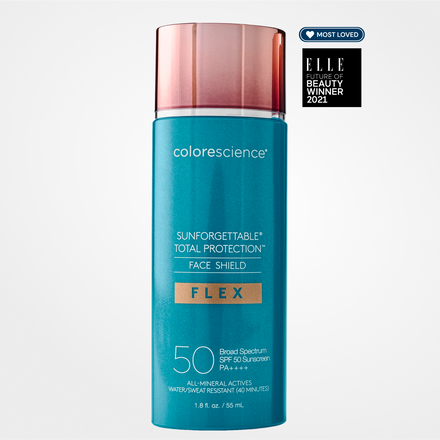
UV falls in winter, it does not vanish, and snow reflects a meaningful share of it straight back at your face. For this skin type SPF is flare prevention rather than a summer accessory.
5. Caring for a diagnosis you do not have
General sensitivity and redness-prone skin look similar and respond differently. If you have visible vessels, papules, pustules or any eye involvement, a fifteen-minute clinical consult will save you a year of guessing and several hundred dollars of the wrong serum.
When It Is Redness-prone skin and Not Just a Dry Winter
Persistent central-face redness that does not fully clear, visible telangiectasia, inflammatory papules and pustules, burning rather than simple dryness, or gritty and irritated eyes — these are medical signs and they deserve a diagnosis rather than a shopping cart. Topicals manage the surface expression of redness-prone skin genuinely well, and they are not a substitute for knowing what you have. Our clinical team will tell you honestly when something is beyond what a routine can fix.
Frequently Asked Questions
Why does my redness-prone skin get worse in autumn?
Indoor heating drops relative humidity to twenty or thirty percent while outdoor temperatures fall, and moving repeatedly between the two drives vasodilation and constriction. In redness-prone skin that flush settles more slowly than it arrives, so it accumulates instead of clearing.
What is the best cleanser for redness-prone skin in winter?
A cream or non-foaming, soap-free cleanser such as AlumierMD SensiCalm at $65. If your skin feels tight or squeaks after washing, the cleanser is stripping the lipid layer, which makes every product after it harder to tolerate.
Calm-R or Rozatrol — which should I buy?
Calm-R at $158 for diffuse reactivity and sensitive skin; Rozatrol at $62 if your redness comes with congestion, oil or texture, or if budget is the deciding factor. Both work. Run one for eight weeks rather than both at once.
Can I use retinol if I have redness-prone skin?
Sometimes, at low strength and low frequency, once the barrier has been settled for several weeks — never during a flare and never while you are changing other variables. Start at 0.25% no more than twice a week and stop if redness increases.
Do I still need sunscreen in a Canadian winter?
Yes. UV continues year-round and snow reflects a significant proportion of it. For redness-prone skin daily SPF is part of flare prevention, not an optional summer step.
Where can I buy authentic AlumierMD and ZO for redness-prone skin in Canada?
WeDoSkin is an authorized Canadian retailer for AlumierMD, ZO Skin Health, Vivier and Colorescience. SensiCalm is $65.00, Calm-R $158.00 and Rozatrol $62.00, all shipped fresh across Canada.
Keep Reading
Our #1 Recommendation
AlumierMD Calm-R
The Intel: A targeted anti-redness serum gentle enough to hold every day through a Canadian winter, and compatible with the rest of a real routine. Authorized, fresh AlumierMD stock, shipped across Canada.
WHY SOURCE FROM WEDOSKIN?
Authorized RetailerFully authorized clinical partner for all 40+ brands. Fresh, active product guaranteed. | 45-Day GuaranteeProtected orders are covered by a 45-day window for total peace of mind on your investment. | Free ShippingBuild your clinical routine without shipping fees. Free delivery on Canadian orders over $65. |
Clinical DeliveryClimate-conscious logistics help preserve the integrity of active, temperature-sensitive formulas. | 5-Star ReputationThousands of patients trust our clinical team for their medical-grade shopping and guidance. | Expert GuidanceNot sure where to start? Get a routine mapped by our expert aesthetic team, free. |
Questions About Products?
Connect directly with a WeDoSkin clinical expert for a complimentary consultation. Tell us your skin type and what you are using now — we will map the exact routine and the order to use it in.
Contact Our Skincare ExpertsReviewed under medical oversight
This guide is reviewed by Dr. J. Porter, Medical Reviewer at the WeDoSkin Clinic in Calgary. As a Preferred Authorized Retailer, our clinical team works with these brands every day. Educational information, not a substitute for personalized medical advice. Our medical-review standards →
